Health Requirements for EB3 Immigration to the United States in the Medical Glove Manufacturing Industry
“Does my health meet the requirements for EB3 immigration to the US?” – a question thousands of applicants are concerned about, especially when wanting to work in the medical glove manufacturing industry. This article from Newland USA will clarify all questions about US health standards: from what medical conditions can affect your application, how the medical examination process works, to specific physical requirements for those working with medical gloves – providing a clear preparation roadmap so you can confidently enter the immigration program.
1. Overview of the EB3 Program and Medical Glove Manufacturing Industry
The EB3 immigration program (Employment-Based Third Preference) is one of the most popular immigration pathways for skilled workers and general laborers who want to live permanently in the United States. This is an employer-sponsored visa category that allows workers and their families to obtain green cards.
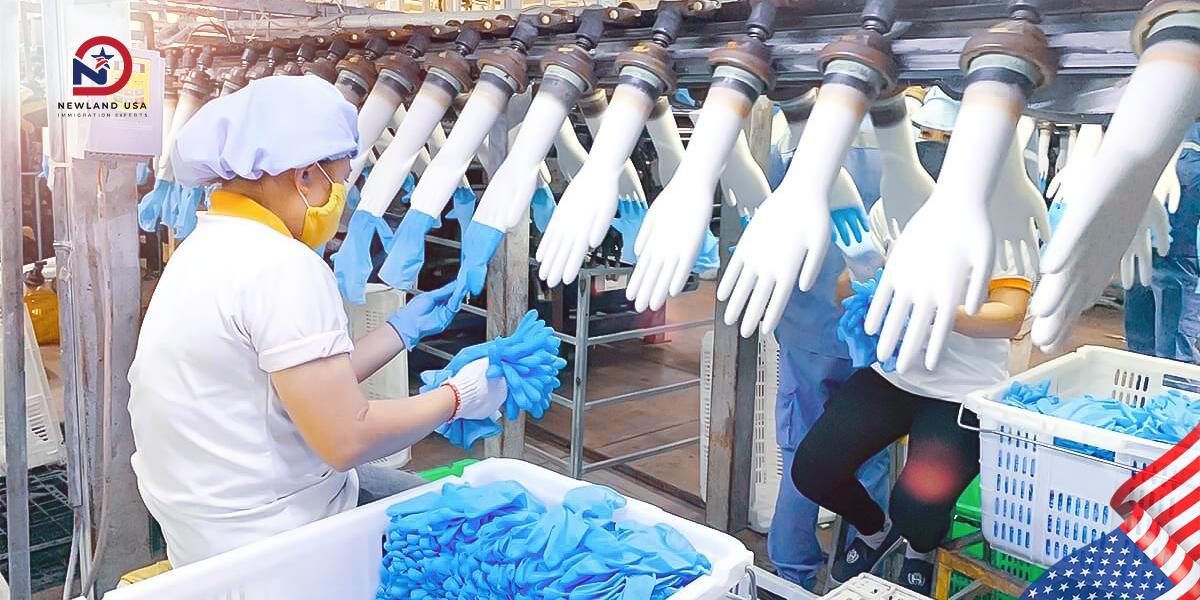
The medical glove manufacturing industry is becoming one of the high-demand employment sectors in the US, especially after the COVID-19 pandemic. Manufacturing facilities producing medical gloves such as nitrile, latex, and vinyl are expanding their operations to meet the growing demands of the healthcare industry and related sectors. Workers in this field typically perform jobs such as operating production machinery, inspecting product quality, packaging, and storing goods.
However, to work in the medical glove manufacturing environment and immigrate to the US via EB3, applicants need to meet strict physical fitness and health requirements due to the nature of the work and regulations set by US immigration authorities.
2. Importance of Health Examinations in EB3 Applications
Health examination for US immigration is a mandatory and essential step in the EB3 immigration visa application process. According to regulations from the US Citizenship and Immigration Services (USCIS) and the Centers for Disease Control and Prevention (CDC), all immigration applicants must undergo comprehensive health examinations to ensure they do not have medical conditions that could pose a danger to the health of the American public.
The main purposes of health examinations include protecting community health by screening for dangerous infectious diseases, assessing the applicant’s work capacity to ensure they can perform the sponsored job, verifying that the applicant has received all required vaccinations according to CDC regulations, and early detection of mental health issues or drug addiction that could affect the applicant’s ability to integrate.
For workers in the medical glove manufacturing industry, US immigration health requirements are even higher due to the nature of work requiring good physical health, the ability to work in a factory environment, and no allergies to materials such as latex or chemicals used in the manufacturing process.
3. General Health Requirements for EB3 Immigration
When participating in the EB3 immigration program, all applicants regardless of occupation must meet basic health standards set by USCIS and CDC. These requirements are uniformly applied to all employment-based immigration categories.
3.1. General Examination and Physical Assessment
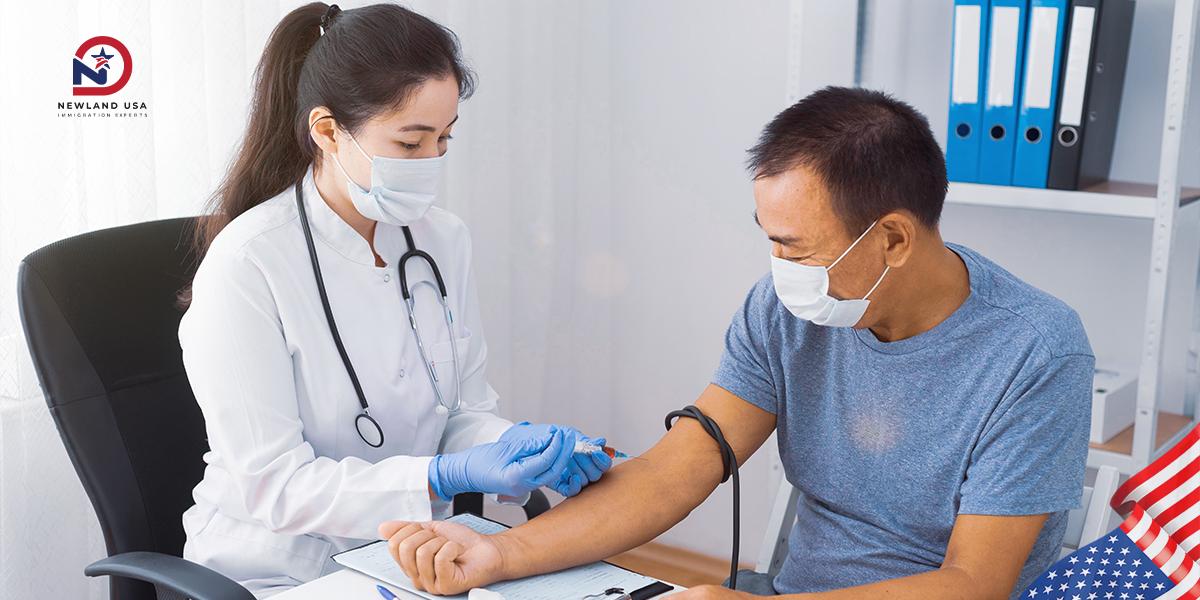
The comprehensive health examination includes many important items. The designated physician will check basic indicators such as height, weight, blood pressure, heart rate, and body temperature. This is followed by clinical examination of body parts: eyes, ears, nose, throat, cardiovascular system, lungs, abdomen, blood counts, and skin. Assessment of mobility and reflexes is also performed to ensure the applicant can perform physically demanding jobs.
The doctor also reviews the applicant’s medical history, including previous surgeries, chronic diseases, regular medication use, and mental health issues. For pregnant women, there are special adjustments in the examination process, especially X-rays which may be postponed or performed with special protective measures.
3.2. Testing for Infectious Diseases
One of the most important parts of US immigration health examination is screening for infectious diseases. Applicants over 15 years old must have chest X-rays to detect pulmonary tuberculosis. For children aged 2 and above, latent tuberculosis testing (IGRA or Mantoux test) is required. If results are positive, additional tests will be performed.
Blood tests for sexually transmitted diseases such as syphilis and gonorrhea are also mandatory for applicants 15 years and older. Although HIV is no longer a disease that excludes immigration eligibility since 2009, applicants with HIV still need to provide complete information about their treatment status and comply with medical guidelines.
Other infectious diseases such as hepatitis B, hepatitis C, leprosy, and chancroid are also tested if the doctor suspects symptoms. Early detection and timely treatment of these diseases can help applicants remain eligible for EB3 immigration after completing medical treatment.
3.3. Mandatory Vaccinations
According to CDC regulations, all immigration applicants must complete mandatory vaccinations appropriate for their age. The vaccine list includes measles, mumps, rubella, diphtheria, tetanus, pertussis, polio, hepatitis A and B, influenza, varicella, pneumococcal, meningococcal, and rotavirus (for young children).
Notably, since October 2021, the COVID-19 vaccine has also been added to the mandatory list. Applicants need to receive full doses according to FDA or WHO recommendations. If any vaccines are missing, applicants must receive supplementary vaccinations at designated facilities before completing their medical records.
Those who cannot receive vaccinations for medical reasons may be considered for exemption with confirmation from a specialist physician. However, refusing vaccination for personal reasons usually leads to delays or rejection of immigration applications.
4. Specific Health Requirements for Medical Glove Manufacturing Industry
Workers in the medical glove manufacturing field must meet additional special health requirements due to the nature of the work and working environment in this industry.
4.1. Physical Health and Endurance
Work at medical glove manufacturing facilities typically requires workers to stand for long periods, possibly 8 to 12 hours per shift. The ability to lift and move heavy boxes weighing 10-25 kg is also a regular requirement. Workers need good vision to inspect product quality, detect defects on medical glove surfaces such as holes, tears, or errors in the manufacturing process.
The ability to work in environments with factory temperature and humidity is essential. Production rooms typically maintain temperatures of 18-25°C and humidity of 40-60% to ensure product quality.
People with problems related to the spine, joints, or medical conditions affecting their ability to stand and move may have difficulty meeting job requirements. The examining physician will specifically assess the applicant’s physical capabilities based on actual job requirements.
4.2. Allergy and Respiratory System Testing
One of the particularly important special requirements for those working in the medical glove industry is having no allergies to latex and manufacturing materials. Latex allergy can cause reactions ranging from mild symptoms like itching and rashes to severe ones like anaphylactic shock, life-threatening. Workers also need to be able to handle chemicals such as cornstarch, colorants, catalysts, and other additives without allergic reactions.
A healthy respiratory system is necessary because the work environment may contain dust, chemical fumes, and irritants from the manufacturing process. People with asthma, chronic bronchitis, or other lung diseases need careful assessment of their ability to work in this environment.
During the US immigration health examination, the doctor may request additional tests such as respiratory function measurement (spirometry) or allergy testing if deemed necessary to assess the applicant’s ability to work in the medical glove manufacturing industry.
4.3. Mental Health Assessment and Teamwork Ability
The industrial manufacturing environment requires workers to have high concentration ability, comply with strict safety procedures, and work effectively in a team environment. Mental health issues such as severe depression, serious anxiety disorders, or other mental illnesses that may affect work ability need to be thoroughly assessed.
The examining physician will review the applicant’s psychiatric treatment history, current condition, and ability to control the condition if present. Those currently using psychiatric medications need to provide complete information about medication type, dosage, and treatment effectiveness. This does not mean the applicant will be rejected, but helps immigration authorities assess whether the applicant can adapt to the work environment and life in the US.
5. Medical Examination Process for EB3 Visa
The US immigration health examination process for the EB3 immigration program is conducted according to standardized steps, ensuring accuracy and fairness for all applicants.
5.1. Selecting Designated Medical Facilities
EB3 immigration applicants in Vietnam can only have health examinations at medical facilities designated by the US Consulate. Currently, the two main locations are the Emigration Medical Examination Department – Cho Ray Hospital in Ho Chi Minh City and the International Organization for Migration (IOM) in Hanoi. These facilities have physicians specially trained in US immigration medical requirements and have the authority to complete Form I-693 (Report of Medical Examination and Vaccination Record).
Choosing the correct medical facility is extremely important. Examination results from non-designated clinics will not be accepted by USCIS, leading to applicants having to re-examine and losing additional time and costs. Before scheduling, applicants should check the updated list on the official website of the US Embassy or Consulate in Vietnam.
5.2. Preparing Documents and Required Papers
For the examination to proceed smoothly, applicants need to prepare complete documents including the interview letter from the National Visa Center (NVC), a passport valid for at least 6 months, 4-6 passport photos sized 5x5cm with white background taken within the last 6 months, vaccination records or old medical records if available, a list of currently used medications (if any), documents proving intended address of residence in the US, and cash to pay examination fees.
For those working in the medical glove manufacturing industry, bringing documents proving work experience and related qualifications (if any) can also be useful for the doctor to better understand the nature of the work and provide accurate assessment of ability to meet requirements.
5.3. Steps in Medical Examination
The examination process typically takes 2-4 hours depending on each person’s health condition. First, applicants will complete administrative procedures, submit documents, and fill out necessary forms. Then, the doctor will review medical history, ask about current and past illnesses, surgical history, currently used medications, and mental health issues.
Next is a comprehensive clinical examination including measuring height, weight, blood pressure, checking eyes, ears, nose, throat, heart, lungs, abdomen, and other body parts. Blood tests to check for infectious diseases and chest X-rays (for those 15 years and older) are also performed. Finally, the doctor will review vaccination records and require supplementary vaccinations if needed.
In cases where applicants plan to work in the medical glove manufacturing industry, the doctor may perform additional checks on physical fitness, latex allergy tests, or deeper respiratory system assessments. These additional tests help ensure applicants can work safely and effectively in the medical glove manufacturing environment.
5.4. Receiving Results and Validity Period
Health examination results are typically available within 3-10 business days. For applicants applying from outside the US (Consular Processing), results will be sent directly to the US Consulate or given to applicants in a sealed envelope to submit at the interview. Applicants absolutely must not open this envelope as it will invalidate the results.
US immigration health examination results are valid for 6 months from the completion date. In some special cases, validity may be shortened to 3 months if the applicant has medical issues requiring monitoring. Therefore, planning the health examination timing appropriately with the visa interview schedule is very important to avoid having to re-examine.
6. Special Cases and How to Handle Them
During the US immigration health examination process, some applicants may encounter special situations that need to be handled carefully.
6.1. Discovering Medical Conditions During Examination
If the doctor discovers the applicant has infectious diseases such as pulmonary tuberculosis, syphilis, or gonorrhea, the applicant will be required to complete treatment before the application is approved. Treatment time depends on the type and severity of the disease. For pulmonary tuberculosis, treatment typically lasts 6-9 months. After completing treatment, applicants need to re-examine and provide confirmation from a specialist physician.
For those with a history of infectious diseases that have been successfully treated, providing complete medical records, prescriptions, and confirmation of completed treatment from the previous treating physician will help the review process proceed more quickly. The examining physician will assess based on these documents to decide whether the applicant needs additional treatment.
6.2. Requesting Medical Waiver
Some cases allow applicants to request a medical waiver if they have medical conditions that do not meet standard health requirements. Requesting a waiver requires applicants to prove that their condition does not pose a danger to community health, they can take care of themselves, and will not become a burden on the US healthcare system.
Waiver applications need to include detailed confirmation from the treating physician about the medical condition, current treatment methods, ability to control the disease in the future, evidence of financial capability to pay for treatment in the US (if needed), and sponsorship from the employer or relatives in the US for medical care support. The decision to approve or deny a waiver belongs to USCIS and may take several months to process.
6.3. Issues with Vaccinations and Vaccine Allergies
Some people may not be able to receive all required vaccinations due to allergies or other health issues. In this case, applicants need confirmation from a specialist physician explaining the medical reasons preventing vaccination. The examining physician will review and may approve exemption for specific vaccines.
However, refusing vaccination for religious or personal philosophical reasons is typically not approved in immigration applications. Applicants need to carefully consider and discuss with both the doctor and immigration lawyer to find the most appropriate solution before making a decision.
7. Important Tips and Reminders
To ensure the US immigration health examination process proceeds smoothly and achieves the best results, applicants should note some important tips.
7.1. Preparation Before Examination
Scheduling the examination early is extremely necessary, especially during peak seasons when medical facilities are often overloaded. Schedule immediately after receiving the interview letter to ensure enough time to handle any issues that may arise. Carefully check the list of required documents and prepare everything completely to avoid having to return multiple times. If you have any chronic health issues, bring complete medical records, prescriptions, and confirmation letters from treating physicians.
For those planning to work in the medical glove manufacturing industry, mental preparation for additional tests such as respiratory function measurement or latex allergy testing is also very important. Get adequate rest before the examination day so that basic indicators like blood pressure and heart rate are at their best. Avoid drinking alcohol or staying up late 24-48 hours before the examination for the most accurate test results.
7.2. Notes on Costs
US immigration health examination costs in Vietnam typically range from 3-5 million VND for adults, depending on age and required tests. Children under 15 have lower costs as they do not need chest X-rays and some blood tests. Supplementary vaccination costs (if missing) are calculated separately and can add from 500,000 to 2 million VND depending on vaccine type.
Medical facilities only accept payment by cash or credit card. Checks are not accepted. Applicants should prepare sufficient cash to pay on the examination day. Some cases requiring additional tests or multiple vaccination doses may need to return several times, each time incurring examination and testing costs.
7.3. After Receiving Results
When receiving US immigration health examination results, applicants need to carefully check the information on Form I-693 or the sealed envelope. Ensure name, date of birth, and passport number are recorded accurately. Any errors can lead to the application being delayed or rejected at the interview.
If receiving results in a sealed envelope, absolutely do not open this envelope until submitting at the US Consulate. Opening the envelope will invalidate the results and the applicant must re-examine from the beginning, wasting additional time and costs. Store the envelope carefully, avoid moisture, tearing, or damage. Consider putting the envelope in a zip bag or hard folder for protection.
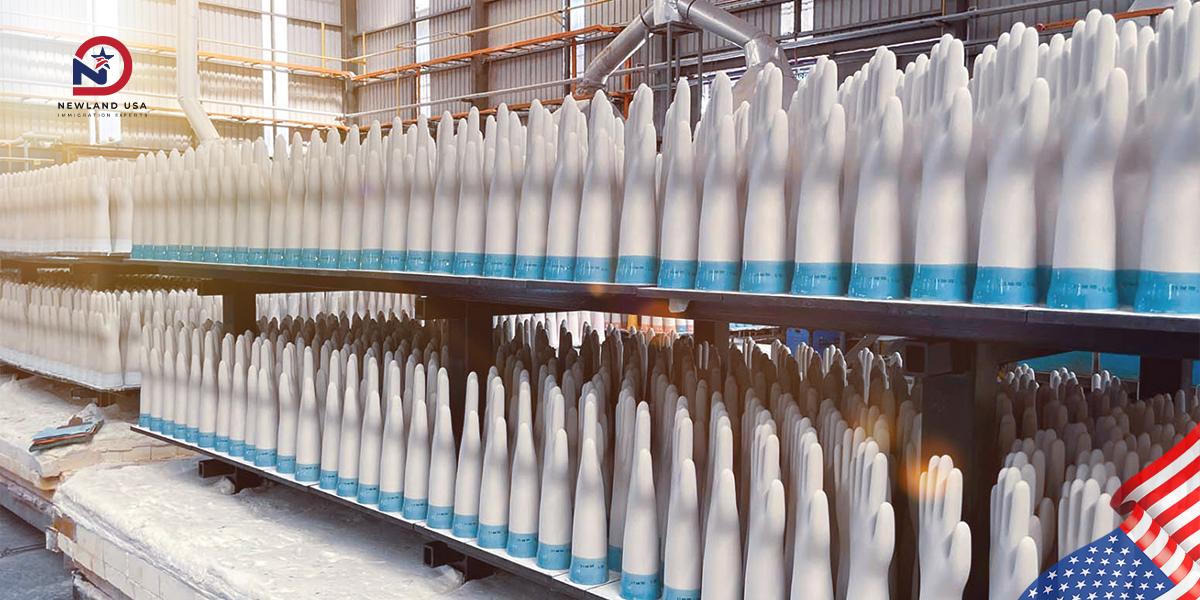
8. Benefits of Working in the Medical Glove Manufacturing Industry in the US
The medical glove manufacturing industry in the US is developing strongly and bringing many opportunities for EB3 immigration workers.
8.1. Income and Benefits
The average salary for manufacturing workers in the medical glove industry in the US typically ranges from $20-$29/hour depending on experience and geographic location. Overtime shifts are paid at 1.5 times regular rate, significantly increasing income. Many companies also have quarterly performance bonuses and year-end bonuses from $1,000-$3,000.
Comprehensive health insurance for the whole family with most or all costs covered by the employer. Paid vacation from 10-15 days/year, increasing with seniority. 401(k) retirement savings program with company contributions. Some companies also support tuition if employees want to improve their qualifications or move to higher technical positions.
8.2. Advancement Opportunities
The medical glove manufacturing industry has many advancement opportunities for hardworking and capable people. After 6-12 months of work, employees can receive additional skills training and be promoted to lead positions with salaries 15-20% higher. Higher management positions such as supervisor, quality control specialist, and maintenance technician all need internal staff with practical experience.
Many companies have vocational training programs and scholarships for employees who want to pursue additional professional certifications such as Six Sigma, Lean Manufacturing, or higher technical courses. This opens up opportunities to move to technician or process engineer positions with salaries from $50,000-$70,000/year.
8.3. Work Environment and Culture
Medical glove manufacturing facilities in the US strictly comply with OSHA (Occupational Safety and Health Administration) workplace safety regulations. Employees are provided with complete protective equipment, trained in safety, and have comprehensive workers’ compensation insurance. The work environment is clean, with controlled temperature and humidity, and no toxic smoke or dust.
Work culture in the US respects diversity and equality. Foreign workers are treated fairly like US citizens in terms of rights and advancement opportunities. Many companies have large Vietnamese communities, helping newcomers easily integrate and support each other.
9. Newland USA’s Role in Your Immigration Journey
Newland USA is proud to be a pioneering organization implementing the EB3 immigration skilled worker program in Vietnam, with many years of experience and close relationships with reputable employers in the US, including companies in the medical glove manufacturing industry.
9.1. Comprehensive Services
We provide in-depth A-Z consulting services, including evaluating applications and ability to meet requirements, connecting with suitable employers in the medical glove industry, preparing and submitting all PERM, I-140, and NVC applications, detailed guidance on the US immigration health examination process, visa interview skills training and common situations, as well as settlement and integration support in the US after entry.
Specifically, we provide an exclusive settlement service package including 3 months free rent for the first home, assistance with children’s school registration, car purchase consultation, airport pickup, and necessary procedures such as opening bank accounts, applying for health insurance cards, and mobile SIM registration. These services help your family have the smoothest start in the new country.
9.2. Commitment and Reputation
Newland USA commits to full refund of costs if applications are rejected or processing time exceeds 3 years. We have an advisory team with over 15 years of experience in US immigration, including US immigration attorneys, former Consulate officials, and industry experts. Strategic relationships with many US employers help us bring the highest success rate to clients.
10. Conclusion
Fully meeting US immigration health requirements is an important step that cannot be skipped in the EB3 immigration journey, especially for those who want to work in the medical glove manufacturing industry. Understanding health standards, thorough preparation, and following the correct process will help you avoid unnecessary risks and save time and costs.
The medical glove industry in the US is opening up many stable job opportunities with good income, full benefits, and clear advancement potential. This is an ideal choice for those who want to build a new life in the US with their families.
Newland USA, with the motto “Stable Settlement – Lifelong Prosperity,” is ready to advise and support you in preparing applications as well as accompany you throughout the EB3 US immigration process through the medical glove industry. Contact Newland USA now via hotline 0785591988 or email: newsletter@newlandusa.asia for detailed and free consultation.
Learn more:
- Common Mistakes That May Cause Your EB3 U.S. Immigration Application in the Medical Gloves Manufacturing Industry to Be Rejected
- Overview of Medical Glove Manufacturing Work in the US under the EB3 Immigration Program
- Important Immigration Terms in the EB3 US Immigration Application
- Going to the US under EB3 for Medical Glove Manufacturing: Attractive Job Opportunity for Vietnamese Workers
News Categories

Related news
AI in Auto Repair in the U.S. 2026: How Artificial Intelligence Diagnoses Vehicle Problems Faster and More Accurately
7 Key Technologies Every Industrial Maintenance Technician in the U.S. Needs to Know in 2026
PLC & Automation Skills: A Launchpad for Maintenance Technicians in the United States in 2026
What Is the ASE Certification? Requirements, Exam Roadmap, and Its Importance for Auto Technicians in the U.S. in 2026

EB5 Capital Recovery Time: How Long It Takes and the Key Milestones
Electric Vehicle Technicians in the U.S.: The “Golden” Skills Helping Vietnamese Auto Mechanics Get Ahead of the 2026 EV Trend
US Engineering & Maintenance Labor Shortage 2026: The Driving Force Behind the EB3 Skilled Workers Visa Policy
Industrial Maintenance Technician: Job Duties, Requirements & U.S. Immigration Opportunities in 2026
Lương thợ sửa xe tại Mỹ: Cách tối ưu giờ công để nhân đôi thu nhập năm 2026