USCIS Expands “Anti-Americanism” Screening on Social Media for U.S. Visa Applications
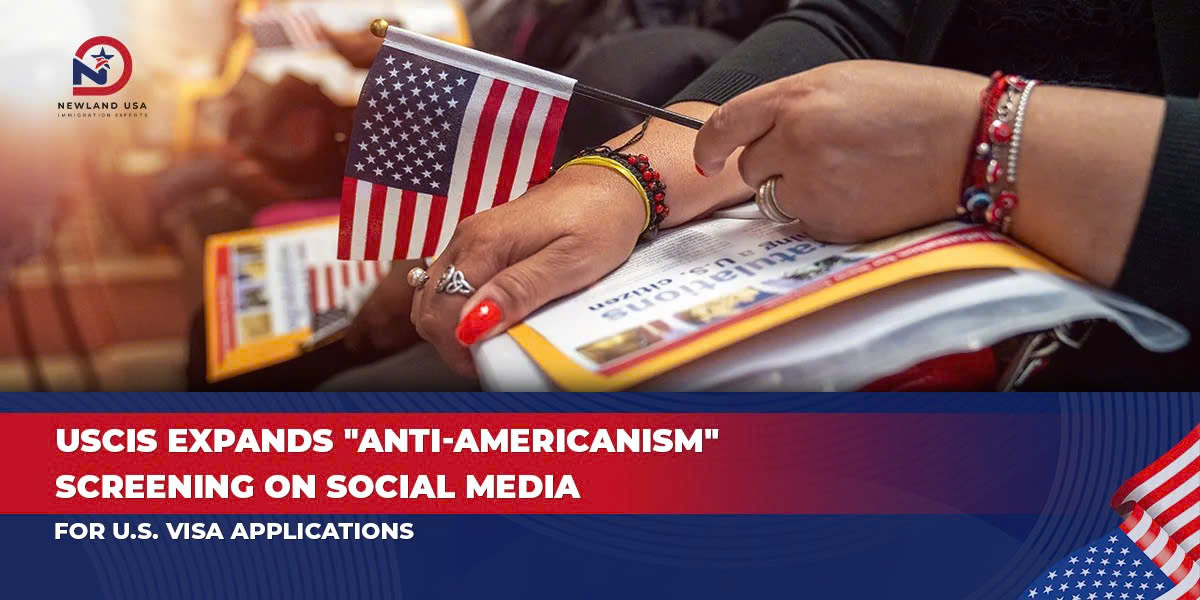
U.S. Citizenship and Immigration Services (USCIS) has just announced a new screening policy requiring comprehensive review of online platform activities for U.S. visa applicants. This decision marks a significant turning point in the evaluation process, as all expressions related to “anti-Americanism” are scrutinized very strictly. With over 1,000 international students already having their visas revoked, this policy is creating a wave of concern within the community of people hoping to settle in the United States.
1. Background of the New Screening Policy
In the context of the U.S. government continuously tightening border security measures, USCIS has issued an official notice about updating its Policy Manual. This move comes after thousands of cases were denied or had permits revoked due to activities deemed to be in opposition to national values.
According to published data, as of mid-April, over 1,000 international students have faced the cancellation of their legal residence status. The primary reasons given revolve around participation in protests, posting sensitive content, or expressing views considered to lack goodwill toward the country. These developments have forced USCIS to screen social media of applicants, and this has also become an indispensable part of subsequent evaluation processes.
The decision to expand this monitoring scope doesn’t just stop with the student group but is also widely applied to all U.S. visa applications, from family sponsorship categories to work programs. This reflects the trend of comprehensive tightening in U.S. immigration policy.
2. Specific Content of the New Regulation
This update was added to the Policy Manual with immediate effect, requiring immigration officers to carefully assess all factors related to “anti-American activities.” This concept, although not yet defined in detail, is based on the legal foundation of the Immigration and Nationality Act enacted in 1952.
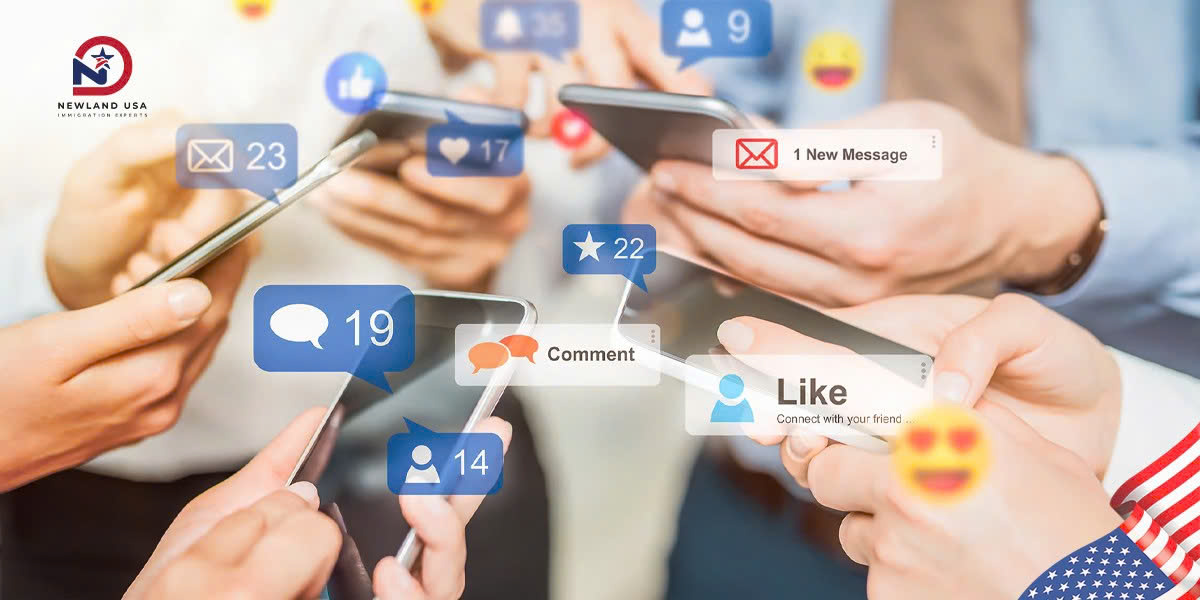
Accordingly, any behavior identified as expressing hostile attitudes toward citizens, culture, government agencies, or the foundational principles of the United States is considered a negative factor. The USCIS social media screening process will focus on analyzing posts, comments, shares, and interactions on digital platforms.
What’s noteworthy is that the policy makes no exceptions. This means all applicants, regardless of their category, must undergo this strict screening process. From those applying for U.S. visas for family visits, work, to cases registering for permanent residence or citizenship, all fall within the scope of the new policy.
3. What Behaviors Are Considered “Anti-American”?
Although the immigration agency hasn’t issued a specific list, based on current regulations and cases that have occurred, several high-risk indicators can be identified that may be assessed negatively:
3.1. Promoting or Supporting Violence
Any content related to calling for, encouraging, or praising violent actions is assessed as “negative.” This includes connections with organizations listed as terrorist or extremist groups. Even comments or shares that seem unintentional can be misunderstood and affect the outcome of U.S. visa applications.
3.2. Discriminatory or Hateful Content
Posts expressing discrimination based on religion, race, nationality, or specific community groups are all under monitoring. Particularly, statements related to anti-Semitism or other forms of discrimination are seen as serious violations. The agency screens USCIS social media of U.S. immigrants very strictly to detect these signs.
3.3. Advocacy for Overthrow or Opposition to Institutions
Using language, symbols, or participating in movements aimed at overthrowing the government by force is also considered serious conduct. The 1952 Act prohibited those who support communism or anyone seeking to sabotage the U.S. political system by any illegal means.
3.4. Association with Banned Organizations
Even expressing sympathy or sharing content from organizations on the blacklist can become grounds for denying a U.S. visa application. This is not limited to direct participation but also includes indirect actions such as liking, commenting in support, or spreading their messages.
However, it’s important to clearly distinguish that expressing personal political views or criticizing U.S. government policies with basis is not considered “negative.” Freedom of speech is still respected, as long as it doesn’t cross the boundaries of law and isn’t harmful in nature.
4. Who Is Affected by This Policy
The scope of impact of this policy is extremely broad, regardless of application type or registration category. Specifically:
Family Sponsorship Category: Those who have relatives who are U.S. citizens or permanent residents as sponsors, including spouses, parents, children, siblings, must all undergo this screening process when submitting U.S. visa applications.
Work Programs: Visas such as H-1B for professional workers, O-1 for people with extraordinary ability, L-1 for intra-company transferees, along with cases applying for permanent residence sponsored by employers, all fall within the scope of social media screening. This means both workers and businesses need to prepare more thoroughly.
Humanitarian Protection Category: Those applying for asylum or special forms of protection also face USCIS social media screening to ensure there are no suspicious signs.
Citizenship Applications: Even those who already possess green cards and are in the process of applying for naturalization are not outside the scope of monitoring. All online activities from the past until now will be screened before citizenship is granted.
The absence of any exceptions shows the immigration agency’s determination to implement this policy comprehensively. Both families and employers need to clearly understand their responsibilities and prepare their personal pages well to avoid unnecessary risks.
5. How Does the USCIS Social Media Screening Process for U.S. Immigrants Work?
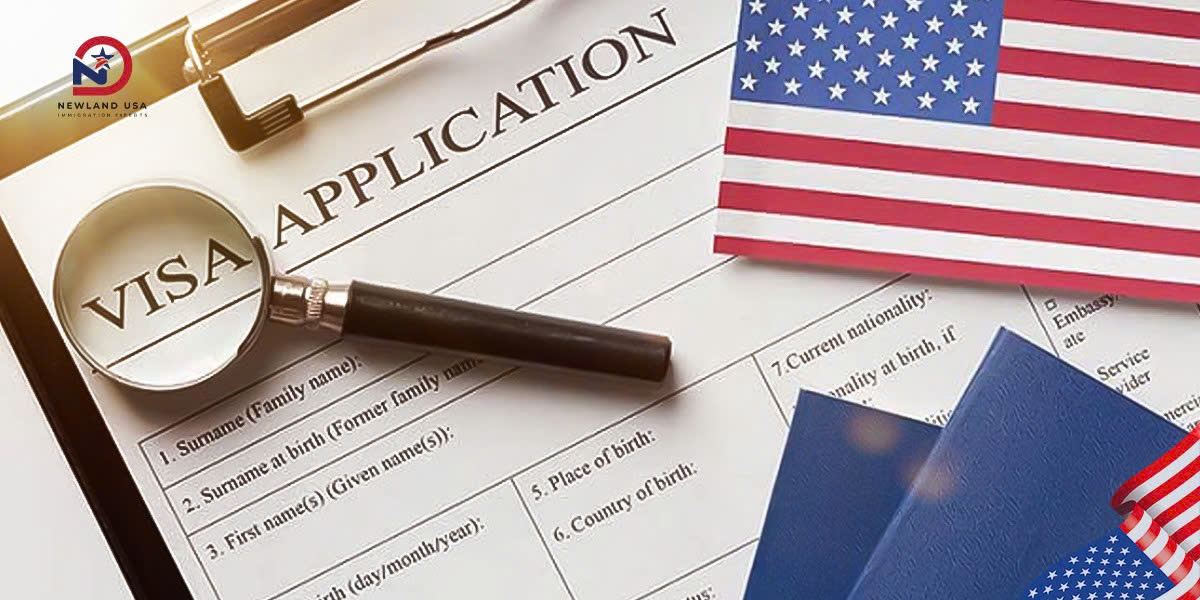
When submitting applications, U.S. visa applicants will be required to provide information about social media accounts they have used in the past five years. This list includes popular platforms such as Facebook, Instagram, Twitter (now X), LinkedIn, TikTok, and many other platforms.
Immigration officers will conduct a review of the entire activity history, from public posts, comments, shares, to interactions with pages or groups. Any unusual signs or sensitive content are recorded and included in the evaluation file.
What’s concerning is that even posts from many years ago, seemingly harmless comments, or participation in discussion groups can be misunderstood. In many cases, applicants don’t even clearly remember what they posted or shared, but that information still exists and can affect the final decision on U.S. visa applications.
6. Essential Preparation Steps for Applicants
Before submitting applications or during the waiting period for evaluation results, U.S. visa applicants should take the following measures to minimize risks:
6.1. Review All Online Profiles
Take time to review all social media accounts, from the oldest posts to the most recent. Identify whether there is any content that could be misunderstood or is sensitive in nature. If so, consider deleting or hiding those posts. However, note that deletion can also be considered as concealing information.
6.2. Check Connections and Joined Groups
Sometimes, joining a group or following a page can unintentionally create a bad impression. Review your friends list, joined groups, and followed pages. If there are any connections with organizations or individuals with bad reputations, consider unfollowing.
6.3. Prepare Clear Explanations
In cases where there is content that may cause misunderstanding, preparing reasonable explanations in advance is very important. Providing context, motivation, and reasons behind those posts can help the USCIS social media screening agency understand your true intentions.
6.4. Seek Professional Legal Consultation
This may be the most important step in the preparation process. Experienced immigration lawyers will help you properly assess the level of risk, provide specific advice, and support completing your application meticulously. They can also represent you in cases where clarification with authorities is needed.
Being proactive and thoroughly prepared not only helps increase the success rate of U.S. visa applications but also helps you feel more confident throughout the waiting process.
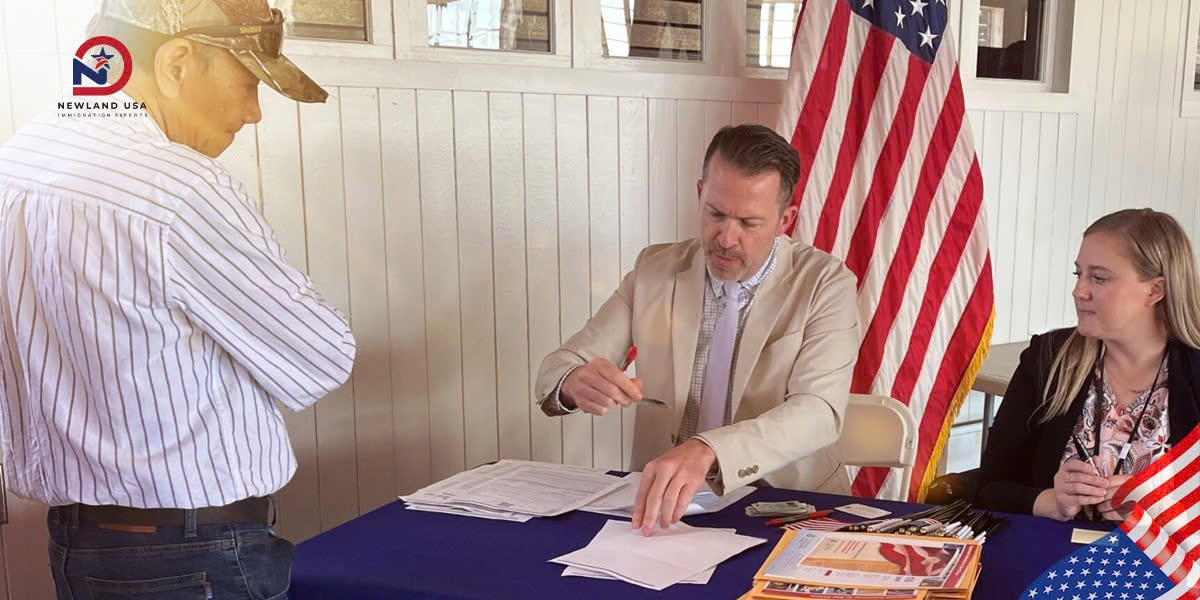
7. Impact on the Vietnamese Community in the U.S.
For the Vietnamese community, especially those in the process of applying for permanent residence or sponsoring relatives, this new policy presents many challenges. Many people have the habit of sharing political views, discussing social issues on social media without being aware of the consequences that may occur.
Particularly, participating in “heated” debates, sharing content from unverified sources, or commenting without thinking can unintentionally cause U.S. visa applications to encounter obstacles. In the context of USCIS screening social media of U.S. immigrants becoming increasingly strict, caution and understanding of regulations become key factors.
8. Importance of Compliance with Regulations
This policy is not merely a procedure but also reflects the U.S. government’s views on national security and protecting the core values of the nation. Serious compliance not only helps applications be processed smoothly but also demonstrates goodwill and respect for the country where you wish to live.
Although the “anti-Americanism” standard still has many ambiguous points, the general principle is very clear: avoid any behavior that could be understood as threatening, hostile, or destructive in nature. Freedom of speech is still guaranteed, but it must be exercised within the framework of responsibility and respect for the law.
9. Role of Reputable Immigration Consulting Firms
In the context of U.S. visa application evaluation processes becoming increasingly complex, seeking out organizations with expertise and experience becomes more necessary than ever. Reputable immigration consulting firms not only help complete applications but also provide valuable advice on how to manage online identity, prepare for interviews, and deal with unexpected situations.
Especially with programs like EB3 labor, having expert accompaniment will help minimize unnecessary mistakes and optimize success opportunities. They clearly understand what USCIS is looking for and can guide you on how to present yourself in the most positive way.
10. Conclusion
USCIS’s policy to expand “anti-Americanism” screening on social media marks an important turning point in the U.S. visa evaluation process. Although the goal of this policy is to protect national security and maintain core values, it also poses many challenges for applicants.
At Newland USA, we not only provide U.S. immigration services but also support clients in their journey of cultural integration in this new country. If you need more information, please contact Newland USA immediately via hotline 0785591988 or email: newsletter@newlandusa.asia for detailed and free consultation.
Learn more:
News Categories


Related news

Who Is the ESTA Program For? How to Assess Your Fit Before Applying in 2026

Who Is the ESTA Program For? How to Assess Your Fit Before Applying in 2026

From Motorcycle Mechanic to Automotive Technician in the U.S.: Skills and Qualifications to Prepare in 2026
AI in Auto Repair in the U.S. 2026: How Artificial Intelligence Diagnoses Vehicle Problems Faster and More Accurately
7 Key Technologies Every Industrial Maintenance Technician in the U.S. Needs to Know in 2026

PLC & Automation Skills: A Launchpad for Maintenance Technicians in the United States in 2026
What Is the ASE Certification? Requirements, Exam Roadmap, and Its Importance for Auto Technicians in the U.S. in 2026
EB5 Capital Recovery Time: How Long It Takes and the Key Milestones

Electric Vehicle Technicians in the U.S.: The “Golden” Skills Helping Vietnamese Auto Mechanics Get Ahead of the 2026 EV Trend