US immigration EB-3 EB-3 application EB-3 Visa EB-3 program
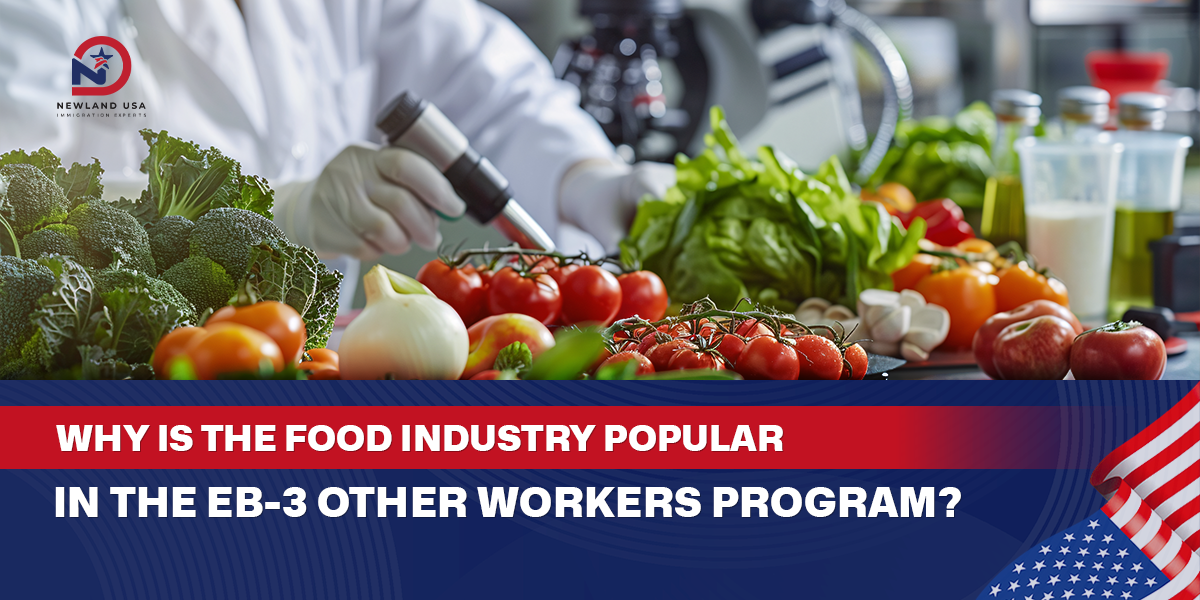
Many Vietnamese families are currently pursuing US immigration through EB-3 via jobs in the meat processing industry, believing this is the easiest path. However, reality shows that obtaining an EB-3 visa is not as simple as many people think. This article by Newland USA will provide a detailed analysis of the EB-3 program, the strict legal conditions that sponsoring companies must meet, as well as common misconceptions to avoid when preparing your EB-3 application.
1. Why are meat processing jobs so popular in the EB-3 program?
US immigration through EB-3 via the food industry does have a real foundation. Large corporations continuously seek international workers through the EB-3 program for the following reasons:
1.1. Ever-increasing labor demand
The US food industry is one of the important economic pillars, requiring a stable workforce for continuous production processes. Specifically, meat processing plants need to maintain 24/7 operations to meet domestic consumption and export demands.
1.2. Job characteristics suitable for unskilled workers
Most positions recruited under the EB-3 visa belong to the unskilled worker category, which doesn’t require high education levels or specialized experience. This opens up opportunities for many Vietnamese workers to access US immigration through EB-3.
1.3. Many difficulties in recruiting local workers
Production facilities are often located in rural or suburban areas where local labor supply is limited. Additionally, manual labor jobs with high intensity don’t attract many native Americans, forcing employers to seek international workers.
2. Strict conditions that sponsoring companies must meet
Having a job offer doesn’t mean your EB-3 application will be approved. Sponsoring companies must overcome strict legal barriers set by the Department of Labor (DOL) and U.S. Citizenship and Immigration Services (USCIS).
2.1. PERM Labor Certification
This is a crucial stage in the US immigration through EB-3 process. The U.S. Department of Labor requires companies to prove that hiring foreign workers won’t negatively impact the American job market.
The PERM process includes:
Determining prevailing wage (PWD): Companies must file Form ETA-9141 to have DOL determine the minimum wage that must be paid for the recruitment position in the specific geographic area.
Conducting recruitment campaigns in the area: Steps to recruit American workers must be carried out seriously, including posting job advertisements with the State Workforce Agency for at least 30 days, advertising in local newspapers, and internal company notices.
Proving inability to find suitable candidates: Only when recruitment efforts fail to find qualified American workers can companies file Form ETA-9089 with DOL.
2.2. Proving strong financial capacity
After PERM approval, companies proceed to file EB-3 application I-140 with USCIS. At this stage, immigration authorities will seriously evaluate the company’s financial capability.
USCIS requires specific financial evidence:
- Audited annual financial reports
- Federal tax returns
- Detailed balance sheets
Companies must prove net assets or net income equal to or exceeding the wage commitment in the EB-3 visa. Even when recording losses, companies can still meet requirements if current assets exceed short-term liabilities with sufficient difference to cover wages.
2.3. Maintaining stable business operations
The EB-3 program for Other Workers can last 5-7 years depending on application backlogs and the applicant’s nationality. Throughout this time, sponsoring companies must maintain normal business operations and still have demand for the committed job position.
If the company closes, goes bankrupt, or cancels the recruitment position, the applicant’s EB-3 application will face rejection risk. Company sustainability is a vital factor determining success in the US immigration through EB-3 process.
3. Dangerous misconceptions to avoid
3.1. “Large company = Guaranteed success”
Many people believe working for multinational corporations will guarantee EB-3 visa approval. In reality, despite strong financial capabilities, large companies must still strictly comply with PERM procedures. If at any point they find enough American workers or change personnel policies, sponsoring foreign workers may be affected.
3.2. “Job offer = 50% success”
A job offer is only the beginning of the US immigration through EB-3 journey. The real value of a job offer is only realized when companies meet all legal and financial conditions. Many cases have wasted time and costs by trusting promises from unqualified companies.
3.3. “Health doesn’t matter”
Work in the meat processing industry requires good physical condition, ability to work in cold environments, and perform repetitive motions. For people over 40, adapting to high-intensity labor needs careful consideration. Not meeting job requirements after arriving in the US can seriously affect legal status and quality of life.
3.4. “Just wait and you’ll get a green card”
The EB-3 program requires close monitoring and sometimes supplementary documentation. Factors like USCIS application backlogs, Requests for Evidence (RFE), or immigration policy changes can significantly extend processing time.

4. How to make the right choice for your EB-3 journey
4.1. Assess your personal capabilities
Before deciding on US immigration through EB-3, consider the compatibility between the job and your personal abilities. Health factors, work experience, and ability to adapt to new environments all need careful consideration.
4.2. Thoroughly evaluate sponsoring companies
This is a very important factor that greatly affects your EB-3 application. Work with reputable consulting agencies capable of comprehensive evaluation of:
- Company financial capacity
- History of successful EB-3 visa sponsorships
- Transparency in work processes
- Ability to maintain long-term operations
4.3. Master the legal process
Learning about the PERM, I-140, I-485 stages and consular interviews will help you be more proactive in the US immigration through EB-3 process. This knowledge not only helps reduce anxiety but also allows you to effectively track application progress.
4.4. Other industries
The US job market opens many opportunities for diverse EB-3 program Other Workers beyond meat processing. Fields like hospitality services, construction, agriculture, or healthcare also have demand for international workers through EB-3 visas.

5. Conclusion
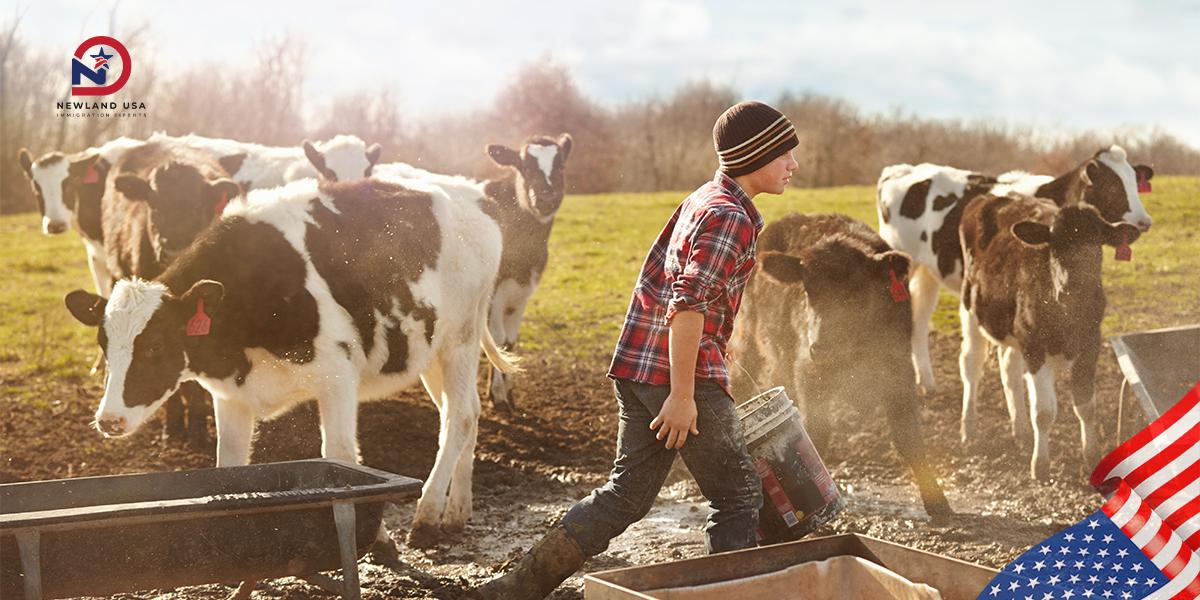
The path to US immigration through EB-3 via “poultry and cattle” jobs is not as simple as many people mistakenly believe. Success of EB-3 applications depends on sponsoring companies strictly meeting conditions for PERM Certification, financial capacity, and operational stability.
Instead of believing vague promises, equip yourself with necessary legal knowledge, realistically assess your personal capabilities, and choose reputable sponsoring partners. The EB-3 program opens diverse career opportunities; the key is finding suitable choices and receiving professional support throughout the immigration journey.
Newland USA, with an experienced team of experts and the motto “Stable settlement — Lifelong prosperity,” is ready to consult and support in application preparation and accompany clients throughout the entire EB-3 US immigration process. Contact Newland USA immediately at hotline 0785591988 or email: newsletter@newlandusa.asia for detailed and free consultation.
News Categories



Related news

Who Is the ESTA Program For? How to Assess Your Fit Before Applying in 2026

Who Is the ESTA Program For? How to Assess Your Fit Before Applying in 2026

From Motorcycle Mechanic to Automotive Technician in the U.S.: Skills and Qualifications to Prepare in 2026
AI in Auto Repair in the U.S. 2026: How Artificial Intelligence Diagnoses Vehicle Problems Faster and More Accurately
7 Key Technologies Every Industrial Maintenance Technician in the U.S. Needs to Know in 2026
PLC & Automation Skills: A Launchpad for Maintenance Technicians in the United States in 2026
What Is the ASE Certification? Requirements, Exam Roadmap, and Its Importance for Auto Technicians in the U.S. in 2026

EB5 Capital Recovery Time: How Long It Takes and the Key Milestones
Electric Vehicle Technicians in the U.S.: The “Golden” Skills Helping Vietnamese Auto Mechanics Get Ahead of the 2026 EV Trend