How are EB3 Applications Processed by Different Parties?
Processing EB3 applications is a complex procedure that requires coordination among many different parties. From service companies and sponsoring companies to U.S. government agencies, each entity plays a crucial role in the success of the EB3 program. Understanding the responsibilities and workflow of each party will help workers gain a comprehensive view of the path to U.S. immigration through the EB3 Visa.
1. Overview of EB3 Application Processing
The EB3 program is one of the most popular immigration pathways for general workers who want to immigrate to the United States. However, for EB3 applications to be successfully approved, workers need to understand the role of each party involved in this process. Each organization and agency has specific responsibilities and requirements, creating a strict control system to ensure transparency and fairness in granting immigration permits.
2. Role of Service Companies in EB3 Processing
Service companies play an important bridging role in the EB3 program. They are typically the first entity that workers encounter when beginning their U.S. immigration journey.
2.1. Connection and Recruitment
The main task of service companies is to create connections between foreign workers and U.S. businesses that need to hire employees. They conduct recruitment through various channels, including websites and agent networks in different countries. This process requires understanding of the labor market as well as specific needs of each industry.
2.2. Supporting U.S. Businesses
For U.S. businesses, service companies provide comprehensive consulting services on the process of hiring foreign workers. They help prepare necessary documents for submission to the U.S. Department of Labor, while handling complex administrative and legal procedures. This helps businesses save time and avoid errors that could affect EB3 applications.
2.3. Consulting for Workers
Besides making connections, service companies also serve as consultants for workers. They provide detailed information about procedural processes, assist with I-140 applications, and guide status adjustment steps to prepare for consular interviews. This support is very important because many workers who are first-time applicants for EB3 Visa often feel confused by the complex requirements.

3. Role of Sponsoring Companies
Throughout the entire EB3 program process, workers completely depend on the commitment and financial capability of this company.
3.1. Legal Requirements and Commitment
Sponsoring companies must not only meet legal requirements but also demonstrate genuine need for hiring foreign workers. They must go through strict vetting processes from the U.S. government to prove that this hiring is necessary and does not negatively impact the local labor market.
3.2. Business Sustainability
An important aspect that workers need to note is that the financial and business status of sponsoring companies can change over time. During the initial stage of EB3 application submission, the company may be operating well and have sufficient financial capability. However, after extended waiting periods, business conditions may fluctuate, affecting the ability to continue sponsoring workers.
3.3. Labor Certification Application Process
Sponsoring companies are responsible for implementing the Labor Certification (LC) process – one of the most important steps in the EB3 program. Before submitting labor certification applications, they must:
- Submit Prevailing Wage Determination (PWD) requests and receive approval from the U.S. Department of Labor
- Post recruitment information and advertise job positions publicly
- Prove that they have searched for local workers but could not hire suitable candidates
LC processing time typically ranges from 9-12 months in the fastest cases, but may be longer depending on the Department of Labor’s application processing situation.
4. Role of Other Participating Parties
4.1. Immigration Attorneys
Immigration attorneys serve as legal advisors for workers throughout the EB3 Visa processing period. They provide professional guidance on selecting suitable sponsoring companies, ensuring consistency in document preparation.
Additionally, immigration attorneys represent workers in communications with USCIS, receiving and handling official correspondence. They also prepare I-485 applications (if workers are in the U.S.) or assist in preparing for consular interviews abroad.
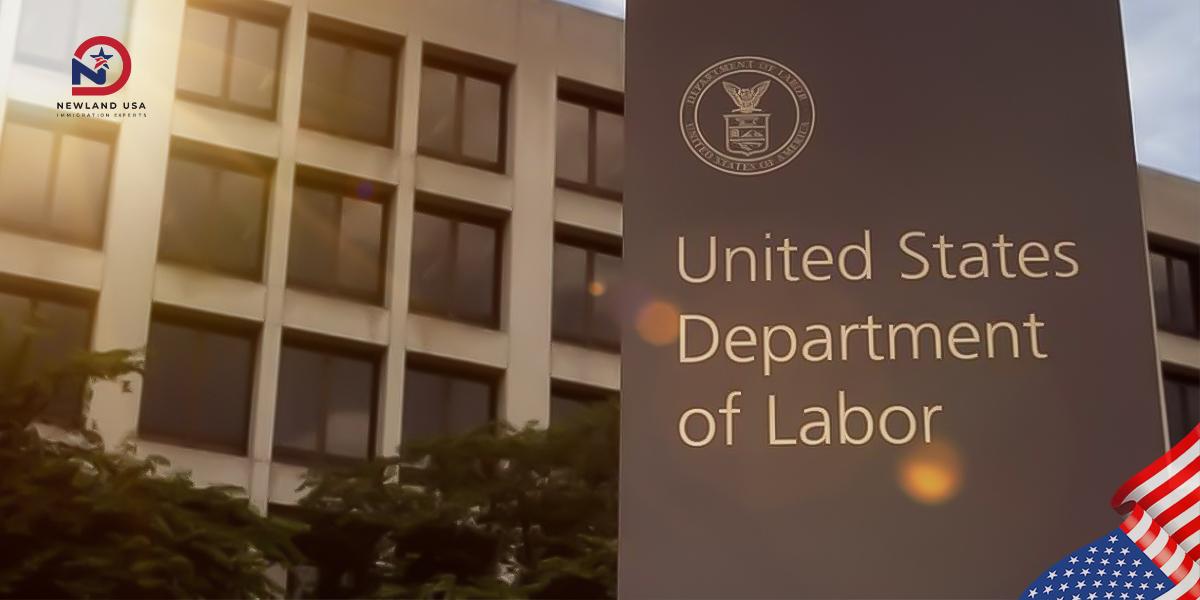
4.2. U.S. Department of Labor (DOL)
The U.S. Department of Labor is a federal government agency responsible for protecting the rights of American workers. In the context of the EB3 program, DOL is tasked with evaluating and approving Labor Certification applications.
This agency ensures that hiring foreign workers does not negatively impact wages and working conditions of local workers. DOL is also responsible for regulations ensuring workplace safety, working hour standards, and benefit systems.
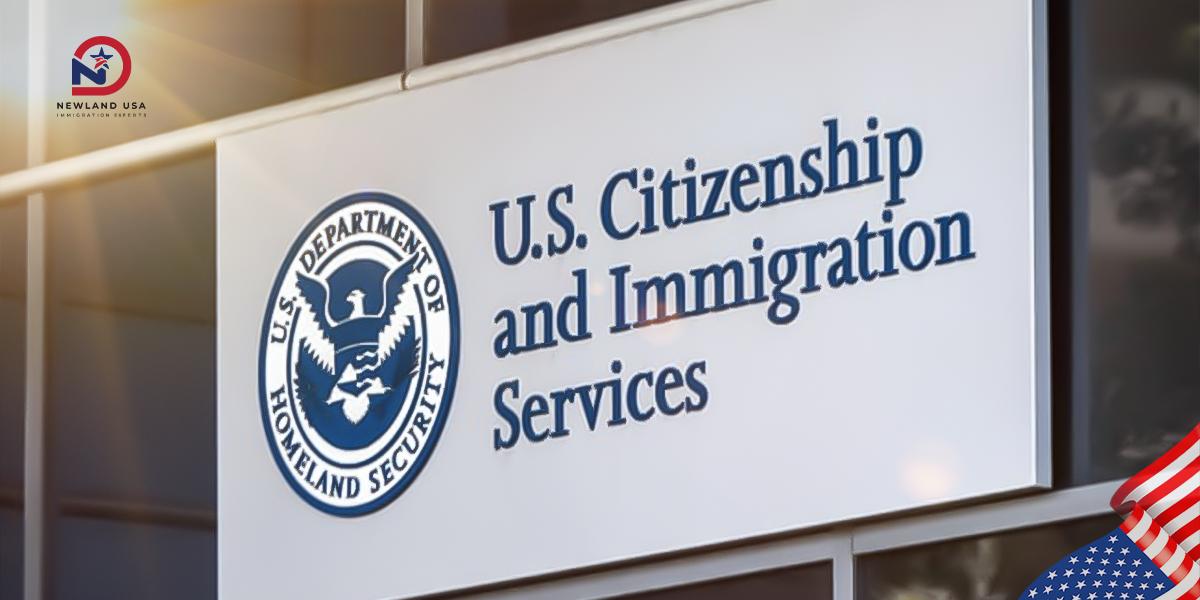
4.3. U.S. Citizenship and Immigration Services (USCIS)
USCIS is the agency with final authority in approving EB3 applications. This is where review and decisions are made on immigration applications, including I-140, DS-260, and Labor Certification.
USCIS’s review process is very thorough, including verification of all documents related to sponsoring companies, financial status, and personal information of workers. They conduct comprehensive evaluations to ensure that workers meet the requirements to receive immigration benefits under EB3 Visa.
5. Other Factors Affecting EB3 Application Results
5.1. Coordination Between Parties
The success of EB3 applications depends heavily on smooth coordination between all involved parties. Each link in the process chain is equally important, and delays or errors at any stage can affect the final outcome.
5.2. Importance of Careful Preparation
Workers need to understand that preparing EB3 applications is not just about collecting necessary documents but also ensuring accuracy and consistency of the entire application. All information must be carefully verified and comply with requirements of each processing agency.
5.3. Waiting Time and Patience
The EB3 program requires workers to have patience. Processing time can extend for many years, and during this time, the situation of involved parties may change. Therefore, maintaining regular communication and updating information is very important.
6. Conclusion
The EB3 application processing procedure is a complex system requiring participation from many different parties. From service companies playing the initial connecting role, sponsoring companies with responsibility for guaranteeing applicants, to U.S. government agencies conducting final review and approval – all contribute to the success of EB3 Visa.
Newland USA, with a team of experienced experts and the motto “Stable settlement — Lifelong prosperity,” is ready to consult and support in application preparation and accompany clients throughout the EB3 U.S. immigration process. Please contact Newland USA immediately at hotline 0785591988 or email: newsletter@newlandusa.asia for detailed and free consultation.
News Categories



Related news
Who Is the ESTA Program For? How to Assess Your Fit Before Applying in 2026

Who Is the ESTA Program For? How to Assess Your Fit Before Applying in 2026

From Motorcycle Mechanic to Automotive Technician in the U.S.: Skills and Qualifications to Prepare in 2026

AI in Auto Repair in the U.S. 2026: How Artificial Intelligence Diagnoses Vehicle Problems Faster and More Accurately
7 Key Technologies Every Industrial Maintenance Technician in the U.S. Needs to Know in 2026
PLC & Automation Skills: A Launchpad for Maintenance Technicians in the United States in 2026
What Is the ASE Certification? Requirements, Exam Roadmap, and Its Importance for Auto Technicians in the U.S. in 2026

EB5 Capital Recovery Time: How Long It Takes and the Key Milestones
Electric Vehicle Technicians in the U.S.: The “Golden” Skills Helping Vietnamese Auto Mechanics Get Ahead of the 2026 EV Trend