Form I-485: Important Things to Note When Adjusting Status in EB3 Application

For EB3 US immigration applications, a crucial stage for those currently in the US on non-immigrant visas who want to adjust to lawful permanent resident status is filing Form I-485 – Application to Register Permanent Residence or Adjust Status. This is the decisive step that determines whether applicants can change from non-immigrant to lawful permanent resident status in the US. This article from Newland USA will provide detailed guidance on important considerations when preparing and filing Form I-485 in EB3 applications.
1. Overview of Form I-485 in the EB3 Process
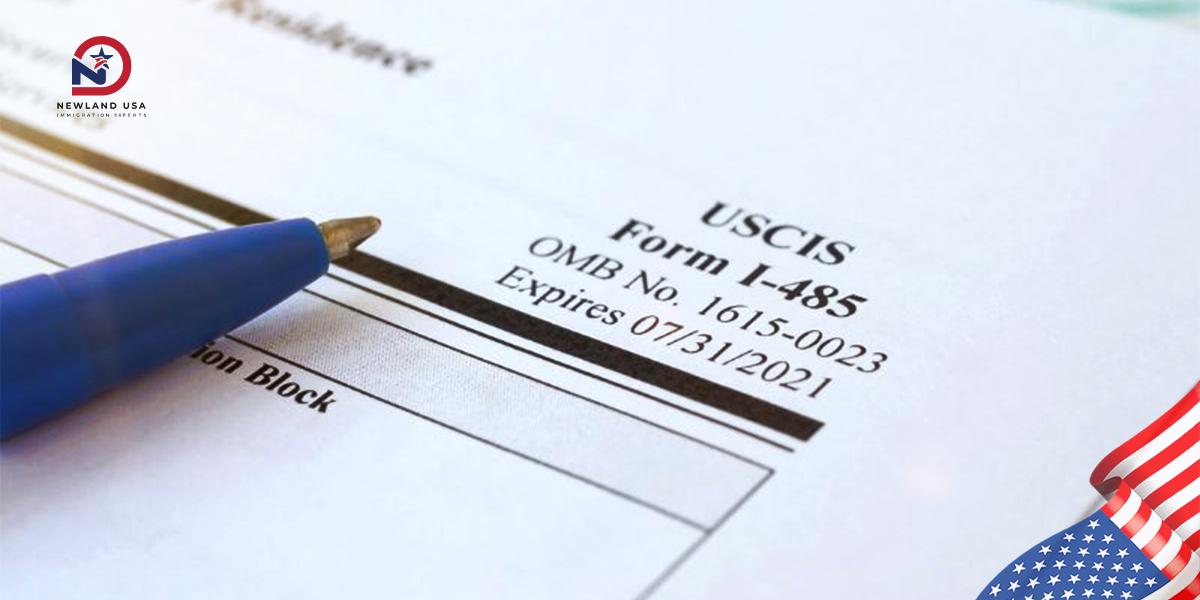
Form I-485 is the official USCIS form for registering permanent residence or adjusting immigration status. In the context of EB3 US immigration, this form allows people legally living in the US on temporary visas to change their status without having to leave US territory to attend consular interviews.
Filing Form I-485 is suitable for individuals currently residing in the US on visas such as B-2 (tourist), F-1 (student), H-1B, or other temporary visa categories. This is the legal tool that helps complete the entire EB3 visa category process conveniently and effectively.
2. Requirements for Filing Form I-485
Before filing Form I-485, applicants must ensure they meet all the following mandatory requirements:
Legal residence status: Applicants must be present in the US and maintain legal residence status at the time of filing.
Approved Form I-140: A prerequisite is having Form I-140 (Immigrant Petition for Alien Worker) already approved by USCIS.
Priority date: The priority date must be current according to the Visa Bulletin schedule published monthly by the US State Department.
Meeting health and background standards: Applicants must pass medical examinations and have no criminal history.
No immigration violations: Must not have violated US immigration regulations.
3. Detailed Form I-485 Filing Process
3.1. Step 1: Determine the Right Timing
Monitoring the Visa Bulletin is a crucial step in EB3 applications. Applicants need to regularly check the bulletin published monthly by the State Department and compare their priority date on the I-140 receipt with the filing date allowed in the Visa Bulletin.
3.2. Step 2: Prepare Comprehensive Documentation
The Form I-485 preparation stage requires accuracy and completeness:
Main form: Form I-485 completed with accurate information.
Fee payment: USCIS fee payment receipt using accepted methods like cash, credit card, or bank check.
Personal documents: Including passport, regulation photos, birth certificate, marriage certificate, and previous immigration records if applicable.
Proof of legal status: Documents such as transcripts, pay stubs, employment contracts, employment verification letters to prove maintenance of legal residence status.
3.3. Step 3: Choose Filing Method
Applicants can choose one of two filing methods:
In-person filing: Schedule an appointment and file at a USCIS office, bringing original documents for verification.
Mail filing: Send the application to the USCIS-designated address for your state of residence.
3.4. Step 4: Complete Biometrics and Follow Up
After USCIS receives the application, applicants will receive:
- Form I-797C receipt notice
- Fingerprint and photo appointment at a biometrics center
- Interview notice at a USCIS office
3.5. Step 5: Receive Green Card
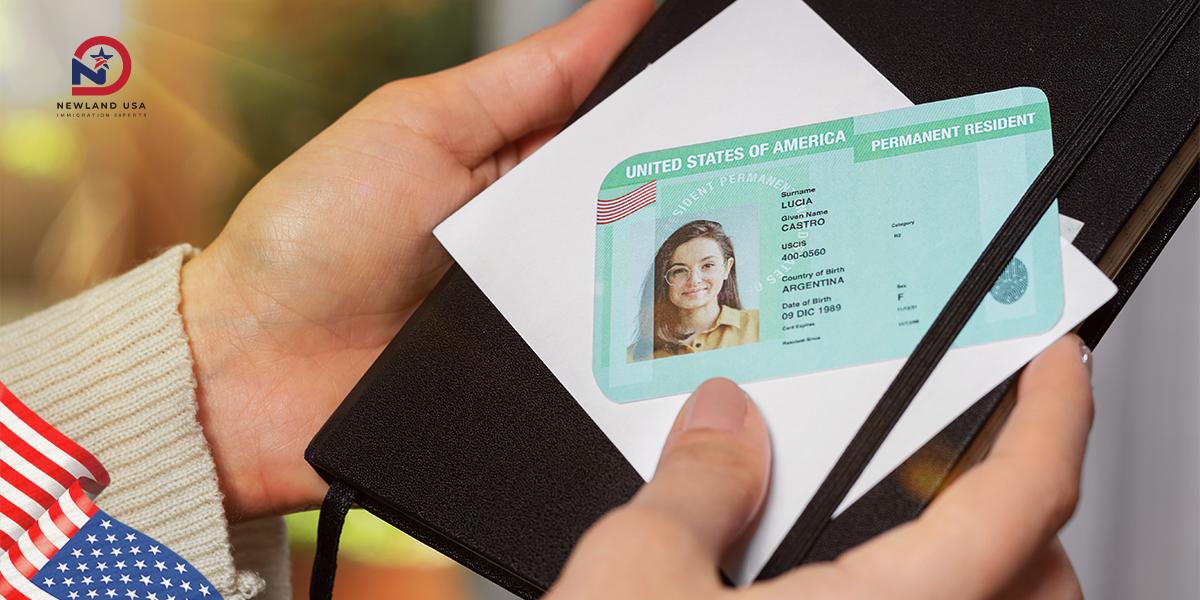
When Form I-485 is approved, USCIS will mail the 10-year green card to the registered address within 1-2 months.
4. Important Considerations
4.1. Timing Accuracy
Filing Form I-485 when the priority date is not current can result in application rejection or non-processing. Therefore, closely monitoring the Visa Bulletin and only filing when the timing is correct is extremely important in EB3 US immigration.
4.2. Maintain Legal Status
Throughout the EB3 visa category process, applicants must continuously maintain legal residence status. If the current visa expires or there are residence condition violations, the EB3 application may be denied.
4.3. Comply with Laws During Processing
While USCIS processes Form I-485, applicants must:
- Not violate any laws, including minor infractions
- Avoid unauthorized employment without work authorization
- Not leave the US without advance parole authorization
4.4. Travel Restrictions
Leaving the US while Form I-485 is pending without proper advance parole authorization (Form I-131) will cause the application to be automatically abandoned.
4.5. Information Consistency
All information in Form I-485 must match exactly with previously filed forms like I-140 and other documents. Errors in names, birth dates, passport numbers, visa status, or residence history can raise suspicion and negatively affect results.
4.6. Interview Preparation
If an interview is required, applicants should:
- Practice answering commonly asked questions
- Prepare all original documents and related materials
- Maintain calm and honest demeanor when answering
4.7. Family Members
For cases with dependents (spouse, children), each family member needs to file a separate Form I-485, along with proof of legal relationship and evidence of maintaining legal residence status.

5. Conclusion
Form I-485 plays a crucial role in the EB3 US immigration journey for applicants currently in the US on temporary visas. Understanding the process, thorough preparation, and filing at the right time will significantly increase the success chances of EB3 applications. Attention to detail in each step and strict compliance with regulations will help you smoothly complete the final stage of the EB3 visa category process.
Newland USA, with our experienced team of experts and motto “Stable Settlement – Lifelong Prosperity,” is ready to consult and support in preparing applications and accompany clients throughout the EB3 US immigration process. Contact Newland USA immediately at hotline 0785591988 or email: newsletter@newlandusa.asia for detailed and free consultation.
News Categories


Related news

Who Is the ESTA Program For? How to Assess Your Fit Before Applying in 2026

Who Is the ESTA Program For? How to Assess Your Fit Before Applying in 2026

From Motorcycle Mechanic to Automotive Technician in the U.S.: Skills and Qualifications to Prepare in 2026
AI in Auto Repair in the U.S. 2026: How Artificial Intelligence Diagnoses Vehicle Problems Faster and More Accurately
7 Key Technologies Every Industrial Maintenance Technician in the U.S. Needs to Know in 2026

PLC & Automation Skills: A Launchpad for Maintenance Technicians in the United States in 2026
What Is the ASE Certification? Requirements, Exam Roadmap, and Its Importance for Auto Technicians in the U.S. in 2026

EB5 Capital Recovery Time: How Long It Takes and the Key Milestones
Electric Vehicle Technicians in the U.S.: The “Golden” Skills Helping Vietnamese Auto Mechanics Get Ahead of the 2026 EV Trend