Comprehensive Guide to Social Welfare Programs in the US
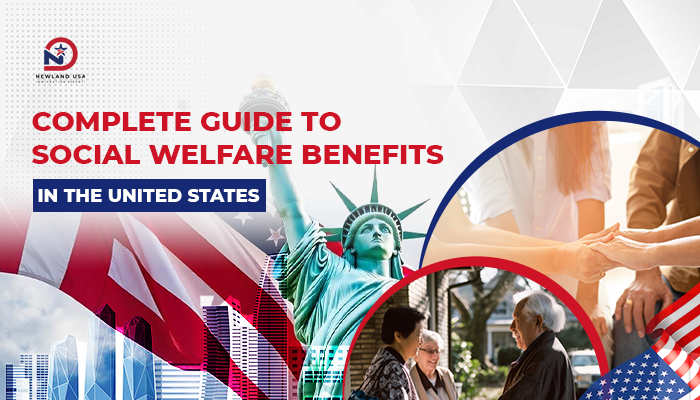
In the context of a continuously developing economy, social welfare plays a crucial role in protecting rights and improving the quality of life for Americans. Through this article from Newland USA, you’ll gain a comprehensive overview of social welfare programs in the US, from basic programs like federal social security to specific support policies for workers, the elderly, and low-income families, as well as more advanced programs. Through this, you’ll better understand how this system operates and its impact on the community.
1. Overview of Social Welfare in the US
The social welfare system in the US has gone through many stages of development since its formation in 1935 with the Social Security Act. Through each stage, this system has not only ensured basic rights for workers but has also expanded to reach many different groups in society. Social welfare programs in the US are not completely free but mainly funded by taxes from workers and businesses. Therefore, these support programs are always adjusted and improved to align with the current economic and social situation.
Building an effective social welfare system has helped the US become a model for many other countries in protecting people from financial risks, unemployment, or illness. At the same time, this system creates favorable conditions for immigration programs, allowing immigrants to feel secure about their well-being when coming to a new country.
2. Main Social Welfare Programs in the US
The social welfare system in the US is organized into many essential programs to support all levels of society. These programs include:
2.1. Federal Social Security
This is one of the most basic and important programs of social welfare. This program not only helps workers accumulate benefits for retirement but also provides financial support for people with disabilities and provides necessary medical subsidies. The stability of federal social security contributes to creating a solid foundation for social welfare programs in the US.
2.2. Unemployment Compensation
In case of job loss, unemployment compensation is a solution that helps workers maintain their lives while waiting for new job opportunities. The duration of receiving benefits usually lasts from 6 to 9 months depending on each state’s regulations. This is one of the practical measures of social welfare to minimize the negative impact of unemployment on family finances.
2.3. Public Assistance
For individuals with low income, the elderly, people with disabilities, and those facing financial difficulties, public assistance is a necessary support program. Although the registration process and verification of eligibility conditions are quite strict, this remains an important part of social welfare to create equality and stability in society.
2.4. Welfare for Pregnant Women and Children
To protect the health of mothers and children, special care programs for pregnant women and children are always prioritized in the social welfare system. This ensures that children enjoy the best benefits from their early years.
3. Other Welfare Policies
In addition to the basic programs mentioned above, the US also implements many other support programs, creating a comprehensive and flexible social welfare system:
3.1. State Disability Insurance
The state disability insurance program in states like California, New Jersey, Hawaii, New York, and Puerto Rico is designed for those who are temporarily unable to work due to illness. Program participants will receive financial assistance during the time they cannot work due to health conditions, and when they recover, they will stop receiving benefits and return to work normally.
3.2. Employment Insurance
Employment insurance is considered one of the important welfare programs in the US, designed to protect rights and meet the needs of workers in the context of an unstable and volatile business environment.
3.3. Worker’s Compensation Program
In case of work-related accidents, the worker’s compensation program will pay support amounts based on the worker’s insurance contribution level. This not only helps workers overcome difficult periods but also protects their rights in high-risk work environments.
3.4. Food Stamps and Free School Meals
To ensure food for low-income families, the food stamp program has been widely implemented. The operating mechanism of the food stamp program is quite simple. State governments receive funds from the Federal Department of Agriculture, then distribute food stamps to families in need. People will use these stamps to exchange for domestically produced agricultural products, instead of using cash.
At the same time, free school meals help children, including those without US citizenship, have access to necessary nutrition, contributing to improving learning efficiency and physical development.
3.5. Energy Assistance
The home energy assistance program is an important element of the social welfare system in the US, designed to reduce the burden of living costs for low-income households, including expenses for firewood, coal, electricity, and water. This also benefits those without US citizenship, as they can enjoy the program’s benefits. In addition, energy assistance also supports replacing repair costs for heating equipment such as chimneys and heaters.
3.6. Affordable Housing Assistance
In the US social welfare system, there are currently four forms of subsidized housing: public housing, subsidized housing, rental assistance, and affordable housing. To participate in this program, people need to meet low-income conditions or certain age criteria; some forms of assistance require a combination of both conditions. The program’s goal is to provide housing solutions for individuals facing difficulties, ensuring they have a stable home to build a better life.
4. Medical Assistance
An equally important aspect of social welfare is the healthcare sector. Programs such as Medicaid and home care services have been implemented to ensure that all citizens, especially those who are sick, can access quality healthcare services.
4.1. Medicaid – Prescription Drug Assistance
Medicaid is a prescription drug assistance program to support low-income families. Although this program is only for US citizens, it still plays an important role in the social welfare system by reducing the burden of medical treatment costs for people.
4.2. Home Care Services
Especially for the elderly and people with disabilities, home care services allow them to be cared for in their own homes. This is a practical solution in the context of increasing hospital admissions or transfers to nursing homes.
5. Newland USA – Accompanying Your American Dream
If you are planning to settle in the US and seeking opportunities to build a bright future here, the social welfare system is one of the important factors you need to understand to enjoy the benefits it brings. At Newland USA, we provide quality US settlement services, especially the EB3 Skilled Worker program. With the motto “Stable Settlement – Lifelong Prosperity,” we will always be your reliable partner and accompany you on the journey to realize your American dream.
Conclusion
The social welfare system in the US is constantly improving to build a fair and sustainably developing society. Each policy contributes to creating a comprehensive and flexible social welfare program in the US, meeting the diverse needs of all classes of citizens.
At Newland USA, we always keep up with trends and update the latest information about US social welfare, to provide the best advice to our clients. Understanding the social welfare system not only helps you feel more secure during the immigration process but also opens up many opportunities for sustainable future development. Contact Newland USA now via hotline 0785591988 to receive free consultation on US settlement programs.
News Categories



Related news
Who Is the ESTA Program For? How to Assess Your Fit Before Applying in 2026

Who Is the ESTA Program For? How to Assess Your Fit Before Applying in 2026

From Motorcycle Mechanic to Automotive Technician in the U.S.: Skills and Qualifications to Prepare in 2026
AI in Auto Repair in the U.S. 2026: How Artificial Intelligence Diagnoses Vehicle Problems Faster and More Accurately

7 Key Technologies Every Industrial Maintenance Technician in the U.S. Needs to Know in 2026

PLC & Automation Skills: A Launchpad for Maintenance Technicians in the United States in 2026
What Is the ASE Certification? Requirements, Exam Roadmap, and Its Importance for Auto Technicians in the U.S. in 2026

EB5 Capital Recovery Time: How Long It Takes and the Key Milestones
Electric Vehicle Technicians in the U.S.: The “Golden” Skills Helping Vietnamese Auto Mechanics Get Ahead of the 2026 EV Trend