Things You Should Know About American Communication Culture
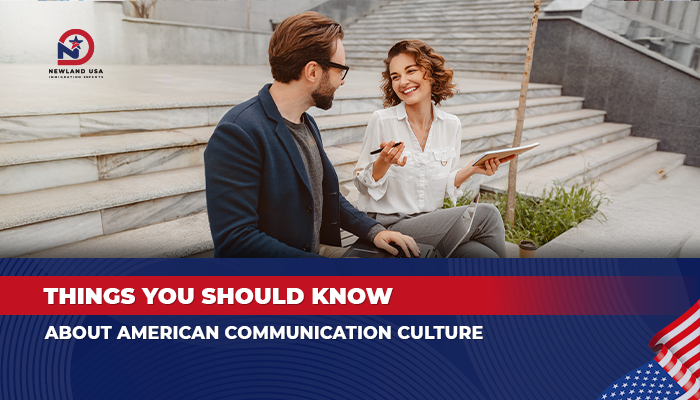
On your journey of studying, working, or settling in the U.S., the ability to integrate culturally plays a crucial role, especially communication culture. Many Vietnamese people face difficulties working with Americans despite having good professional skills, simply because they’re not used to their direct communication style that emphasizes individuality and efficiency. Understanding American communication culture correctly not only helps you feel more confident in daily life, but also gives you a major advantage when working, interviewing, signing contracts, or building long-term relationships in the U.S.
This article by Newland USA aims to provide you with a comprehensive, practical, and easy-to-apply perspective on American culture in communication — especially suitable for those preparing to come to the U.S. through the EB3 labor immigration program or for long-term settlement.
1. Overview of Communication Culture in the U.S.
Communication culture in the U.S. is deeply influenced by core values of American society: individual freedom, equality, efficiency, and transparency. Americans view communication as a tool to solve problems, exchange information, and achieve goals, rather than just to maintain social formalities.
Therefore, communication in the U.S. has the following notable characteristics:
- Direct, clear, with minimal beating around the bush
- Respects individual opinions
- Little distinction of hierarchy in daily communication
- Emphasizes time and efficiency
Understanding communication culture properly helps immigrants avoid many unnecessary misunderstandings, while creating a professional and trustworthy impression in the eyes of locals.
2. Directness — The Core Foundation of American Communication Culture
One of the most easily recognizable features of American communication culture is directness. Americans typically get straight to the point, say clearly what they think, and expect the other person to do the same.
In the workplace, this is very evident:
- Meetings focus on objectives, solutions, and results
- Feedback is usually direct and constructive
- Long-winded social pleasantries are minimized
For Vietnamese people, this style is sometimes misunderstood as “lacking tact.” However, in American culture, clarity is seen as respecting each other’s time and effort. To adapt, you should practice presenting concisely, coherently, and confidently when communicating.

3. Equality and Openness in American Culture
Unlike many East Asian cultures, American culture emphasizes equality in communication. Calling people by their first names, even superiors, is common and seen as a way to shorten the distance and create closeness.
In communication culture, this brings many benefits:
- Encourages two-way exchange
- Reduces psychological barriers between ranks
- Creates an open and creative work environment
However, being comfortable doesn’t mean being casual. When communicating in the U.S., you still need to maintain a polite attitude, respect personal boundaries and communication context, especially in workplace environments.
4. Emphasis on Individuality and Personal Viewpoints
Another important aspect of American communication culture is the respect and encouragement of individual opinions. Americans believe that each person has their own perspective and that sharing viewpoints will help the collective develop better.
In discussions:
- Expressing opposing opinions is completely normal
- Criticism is highly valued if based on reasoning and data
- Prolonged silence may be interpreted as lack of interest or initiative
To integrate with communication culture, Vietnamese workers should practice expressing viewpoints clearly and with evidence, while respecting different opinions.
5. Basic Social Etiquette in U.S. Communication
5.1. Handshakes and Introductions
Handshaking is a common ritual in American communication culture. A firm handshake, combined with a smile and eye contact, demonstrates confidence and professionalism.
5.2. Eye Contact
In American culture, maintaining eye contact shows honesty and attention. Avoiding eye contact may make the other person suspicious or feel disrespected.
5.3. Personal Space
Americans highly value personal space. When communicating in the U.S., an appropriate distance is usually 0.5 to 1 meter. Standing too close or touching others can cause discomfort.

6. Polite Language in American Communication Culture
Words like “Thank you,” “Sorry,” “Excuse me” appear frequently in communication culture. This isn’t cumbersome social formality, but rather a way to show mutual respect in very everyday situations.
In the work environment, using polite language helps:
- Maintain a positive atmosphere
- Reduce unnecessary conflicts
- Create a professional image
7. Communication Culture in American Workplaces
7.1. Focus on Efficiency
In American communication culture, meetings and emails are all directed toward specific goals. Content is usually brief, clear, and avoids rambling.
7.2. “Open-Door” Culture
Many American companies apply an “open-door” policy, allowing employees to easily communicate with superiors. This clearly reflects the egalitarian spirit of American culture, though basic courtesy must still be observed.
7.3. Constructive Debate
Criticism is normal in U.S. communication, as long as it focuses on issues rather than attacking individuals. This is an important skill that helps immigrants assert their abilities and value.
8. Punctuality — An Essential Element in Communication Culture
Punctuality is seen as a sign of respect and professionalism. In American communication culture, being late can create a bad impression, even if only a few minutes late.
If you must be late, a brief apology and getting straight to the main content will be appreciated.
9. How Americans Express Emotions in Communication
In American culture, expressing emotions is seen as natural:
- Americans readily praise when they appreciate others’ efforts
- They also don’t hesitate to apologize or express dissatisfaction
Body language, eye contact, and tone of voice play important roles in communication culture, helping to convey emotions clearly and sincerely.

10. Important Notes When Communicating in the U.S.
To succeed in communication culture, you need to note:
- Listen actively and respond promptly
- Avoid sensitive topics like politics and religion when first meeting
- Use humor subtly and appropriately to the context
These notes help you easily build positive relationships, both at work and in personal life.
11. Conclusion
Understanding and properly applying communication culture is the key to helping Vietnamese people quickly integrate into living and working environments in the U.S. American communication culture with its directness, equality, and respect for individuals may differ from East Asian customs, but it opens up many development opportunities if you grasp it correctly.
At Newland USA, we not only provide U.S. immigration services but also support clients in their journey of cultural integration in this new country. If you need more information, please contact Newland USA immediately via hotline 0785591988 or email: newsletter@newlandusa.asia for detailed and free consultation.
Learn more:
- Health Requirements for EB3 Immigration to the United States in the Medical Glove Manufacturing Industry
- Impact of the 2025 U.S. Dual Citizenship Termination Bill on Immigrants
- Common Mistakes That May Cause Your EB3 U.S. Immigration Application in the Medical Gloves Manufacturing Industry to Be Rejected
- Overview of Medical Glove Manufacturing Work in the US under the EB3 Immigration Program
News Categories


Related news

From Motorcycle Mechanic to Automotive Technician in the U.S.: Skills and Qualifications to Prepare in 2026
AI in Auto Repair in the U.S. 2026: How Artificial Intelligence Diagnoses Vehicle Problems Faster and More Accurately
7 Key Technologies Every Industrial Maintenance Technician in the U.S. Needs to Know in 2026
PLC & Automation Skills: A Launchpad for Maintenance Technicians in the United States in 2026
What Is the ASE Certification? Requirements, Exam Roadmap, and Its Importance for Auto Technicians in the U.S. in 2026
EB5 Capital Recovery Time: How Long It Takes and the Key Milestones
Electric Vehicle Technicians in the U.S.: The “Golden” Skills Helping Vietnamese Auto Mechanics Get Ahead of the 2026 EV Trend
US Engineering & Maintenance Labor Shortage 2026: The Driving Force Behind the EB3 Skilled Workers Visa Policy
Industrial Maintenance Technician: Job Duties, Requirements & U.S. Immigration Opportunities in 2026