HOW TO IDENTIFY SAFE & EFFECTIVE TEA AREAS FOR EB5 INVESTMENT IMMIGRATION

Are you nurturing the dream of immigrating to the United States? The EB5 program could be the key to turning that dream into reality. In particular, investing in projects within TEA areas — Targeted Employment Areas — will open up attractive immigration opportunities with outstanding benefits. This article will provide a comprehensive overview of the US EB5 immigration program when investing in TEA areas, helping you easily make informed decisions on your journey to building a new life in America.
1. What is a TEA Area?
TEA areas, also known as Targeted Employment Areas, are an important concept in the US EB5 immigration program. These are areas identified by the US government as needing priority investment capital to promote economic development and create employment opportunities.
To be designated as a TEA area, a region must meet at least one of two criteria: it must be a rural area or an area with high unemployment rates. The essence of TEA areas is to direct investment capital to where it’s needed most, while bringing benefits to both investors and local communities.
Understanding TEA areas is an important first step in the EB5 US immigration investment journey. This classification not only affects the minimum investment amount but also impacts the speed of application processing and the opportunity to receive an EB5 Visa. Therefore, thoroughly understanding the definition and criteria for determining TEA areas is extremely necessary.
2. Main Purpose of Establishing TEA Areas
The main purpose of establishing TEA areas in the US EB5 immigration program is to promote economic growth and create jobs in areas experiencing economic difficulties or high unemployment rates. The US government aims to use EB5 investment as a tool to strategically allocate capital, helping these communities recover and develop. By encouraging investment in TEA areas, the government hopes to reduce economic disparities between regions while bringing benefits to both investors and local residents.
3. Benefits of Investing in TEA Areas for Investors
- First, the minimum investment amount decreases from $1,050,000 USD to $800,000 USD. This allows more investors to participate in the program.
- Second, US EB5 immigration projects in TEA areas are often given priority in application processing, helping to shorten the waiting time for green cards.
- Third, the Reform and Integrity Act of 2022 (RIA) prioritizes processing applications from investors in rural TEA areas (20% of annual Visas are reserved for these areas) and creates a visa set-aside policy, helping to shorten the processing timeline.
4. Why Choose TEA Areas for EB5 US Immigration Investment?
There are many reasons for investors to consider investing in TEA areas. Besides direct financial benefits such as reduced minimum investment amounts, investing in US EB5 immigration through projects in TEA areas also brings many other strategic advantages.
- Easy and Safe Investment Process: TEA areas are responsible for complying with all regulations of the US EB5 immigration program. This helps investors participate in the program more easily and safely.
- No Direct Management Required: TEA Regional Centers do not require direct participation in project management. This means investors don’t need to actively engage in daily business operations.
- Freedom to Settle Anywhere in the US: Investors in TEA areas can live anywhere in the United States while the project is operating. This is different from cases where investors must live directly at their EB5 investment location.
5. Criteria When Investing in TEA Area Projects?
When deciding to invest capital in TEA area projects under the US EB5 immigration investment category, investors need to consider many important criteria to ensure the safety and effectiveness of their investment.
- Low-Risk Industries: Industries such as single-family residential construction, hotels, or infrastructure are generally considered less risky.
- Solid Capital Structure: Projects should not rely entirely on EB5 capital but have participation from various funding sources.
- Reputable Regional Centers and Developers: Research thoroughly the experience, reputation, and track record of the Regional Center and developers.
6. How to Identify TEA Areas?
Identifying whether an area qualifies as a TEA area for US EB5 immigration investment projects is a complex process.
- Rural Areas: Refer to population statistics data from the US Census Bureau.
- High Unemployment Areas: Refer to unemployment rate statistics from the US Bureau of Labor Statistics (BLS).
7. How to Assess Safe TEA Area Projects
Assessing a safe TEA area project requires a combination of professional knowledge, practical experience, and caution. Therefore, ensure the project meets the criteria of a quality project through the following methods:
- Carefully Review the Project’s Legal Documents: Seek assistance from an immigration attorney.
- Evaluate the Project’s Job Creation Capability: Request that the Regional Center provide reports and analyses on job creation potential.
- Check the History and Reputation of the Regional Center and Developer: Consult with other investors’ opinions.
8. Conclusion
Investing in US EB5 immigration through TEA areas is an attractive option for many Vietnamese investors. With lower investment capital requirements, priority application processing, higher chances of receiving green cards, and positive changes from the RIA Act, TEA area projects offer many competitive advantages. However, choosing the right project requires thorough research, careful evaluation, and consultation from reputable industry experts.
With over 13 years of experience in the immigration field, Newland USA is proud to be a trusted partner for investors on their journey to realize the dream of “Stable Settlement — Lifelong Prosperity” through the US EB-5 immigration program.
We are committed to providing comprehensive support, helping you make informed investment decisions and optimize your chances of receiving a green card, based on deep understanding of EB-5 projects, especially in TEA areas.
Don’t hesitate to contact hotline 0785 591 988 for FREE CONSULTATION and begin your safe and effective US EB5 immigration journey.
News Categories


Related news

AI in Auto Repair in the U.S. 2026: How Artificial Intelligence Diagnoses Vehicle Problems Faster and More Accurately
7 Key Technologies Every Industrial Maintenance Technician in the U.S. Needs to Know in 2026
PLC & Automation Skills: A Launchpad for Maintenance Technicians in the United States in 2026
What Is the ASE Certification? Requirements, Exam Roadmap, and Its Importance for Auto Technicians in the U.S. in 2026

EB5 Capital Recovery Time: How Long It Takes and the Key Milestones
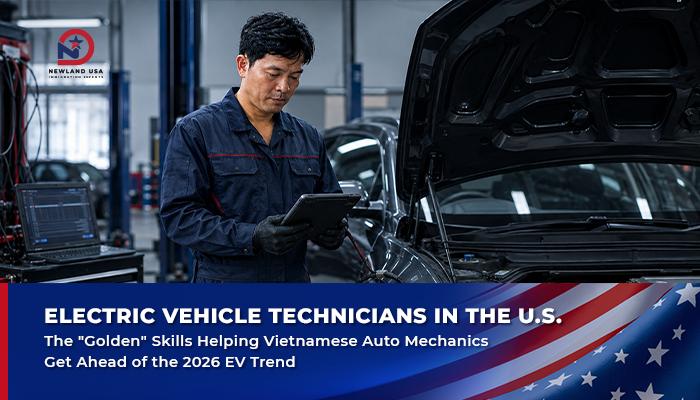
Electric Vehicle Technicians in the U.S.: The “Golden” Skills Helping Vietnamese Auto Mechanics Get Ahead of the 2026 EV Trend
US Engineering & Maintenance Labor Shortage 2026: The Driving Force Behind the EB3 Skilled Workers Visa Policy
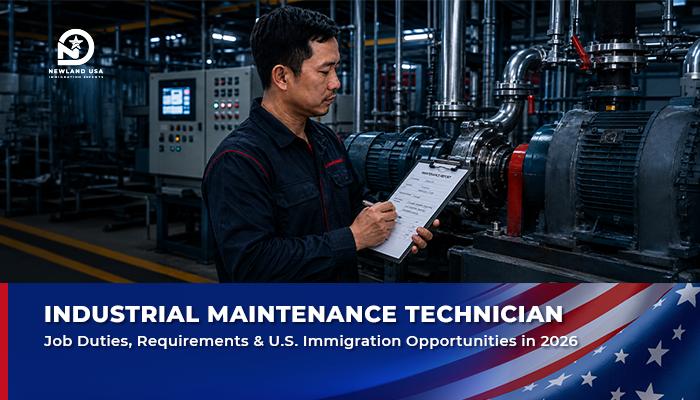
Industrial Maintenance Technician: Job Duties, Requirements & U.S. Immigration Opportunities in 2026

Lương thợ sửa xe tại Mỹ: Cách tối ưu giờ công để nhân đôi thu nhập năm 2026