Priority Date: Định nghĩa và vai trò trong hồ sơ định cư Mỹ

Priority date (Ngày ưu tiên) là khái niệm quan trọng đối với bất kỳ ai đang xin Visa định cư Mỹ diện bảo lãnh hoặc diện việc làm. Hiểu rõ Ngày Ưu Tiên sẽ giúp ứng viên nắm bắt chính xác tiến trình hồ sơ và có kế hoạch phù hợp cho hành trình định cư Mỹ của mình. Bài viết dưới đây của Newland USA sẽ giải thích chi tiết về Priority date và tầm quan trọng của nó trong quy trình xin thẻ xanh Mỹ.
1. Priority date là gì?
Priority date (PD), hay còn được gọi là Ngày Ưu Tiên, là ngày mà hồ sơ xin định cư Mỹ của bạn chính thức được Sở Di trú và Nhập tịch Mỹ (USCIS) hoặc Bộ Lao động Mỹ (DOL) ghi nhận và xếp vào hàng chờ xét duyệt. Đây chính là mốc thời gian quyết định thứ tự ưu tiên của bạn trong hệ thống cấp Visa nhập cư, đặc biệt quan trọng đối với các diện Visa có giới hạn số lượng hàng năm.
Priority date được xác định cụ thể như sau:
- Đối với diện bảo lãnh gia đình (Family-Sponsored): Priority date là ngày USCIS nhận được đơn I-130 (Petition for Alien Relative) từ người bảo lãnh.
- Đối với diện việc làm (Employment-Based):
- Với loại Visa không yêu cầu chứng chỉ lao động (Labor Certification – LC): Priority date là ngày USCIS nhận được đơn I-140 (diện EB1) hoặc đơn I-526/I-526E (diện EB5).
- Với loại Visa yêu cầu LC như EB3: Priority date là ngày Bộ Lao động Mỹ (DOL) nhận hồ sơ xin PERM/LC thông qua mẫu đơn ETA-9089.
2. Tại sao Priority date quan trọng với hồ sơ định cư Mỹ?
Chính phủ Mỹ chỉ cấp một số lượng Visa định cư nhất định cho từng diện nhập cư mỗi năm, được quy định bởi Đạo luật Di trú và Nhập tịch (INA). Khi số lượng đơn đăng ký vượt quá hạn mức, tình trạng tồn đọng hồ sơ (Visa backlog) sẽ xảy ra.
Trong bối cảnh này, Priority date đóng vai trò như “vé xếp hàng” của người nộp đơn trong danh sách chờ xét duyệt Visa hoặc thẻ xanh. Người có Ngày Ưu Tiên sớm hơn sẽ được xét duyệt trước.
Ví dụ: Nếu bạn nộp đơn xin LC diện EB-3 vào ngày 1/3/2025, thì Priority date của bạn sẽ là ngày này. Hồ sơ của bạn chỉ đủ điều kiện để tiếp tục xử lý khi Visa bulletin cập nhật hàng tháng cho thấy ngày xét duyệt đã đến hoặc vượt qua ngày 1/3/2025.
Với nhiều diện định cư Mỹ có lượng hồ sơ lớn (như diện F4 – bảo lãnh anh chị em ruột của công dân Mỹ), thời gian chờ có thể kéo dài trên 10 năm. Priority date giúp người nộp đơn ước tính thời gian chờ đợi và biết được khi nào đến lượt mình được xét cấp thẻ xanh.
Xem thêm: Kinh nghiệm phỏng vấn Visa Mỹ
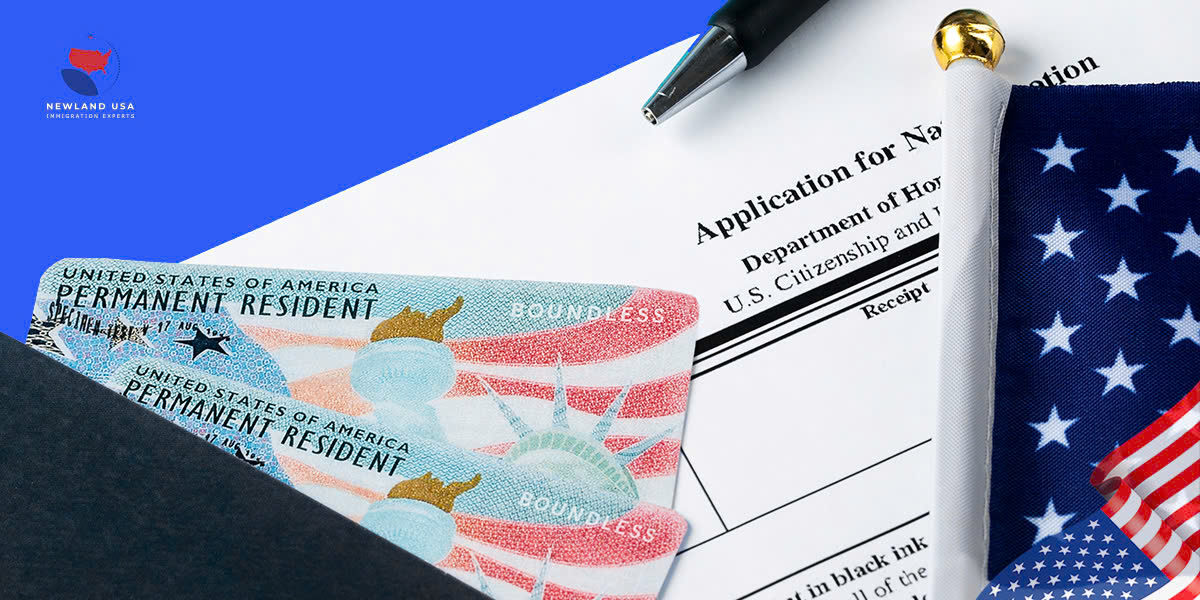
3. Priority date hoạt động như thế nào?
Mỗi tháng, Bộ Ngoại giao Mỹ công bố Visa Bulletin với các “cut-off dates” (ngày giới hạn) cho từng diện Visa. Nếu Priority date của bạn sớm hơn hoặc trùng với ngày giới hạn trong lịch chiếu khán này, bạn sẽ được phép:
- Nộp đơn xin Visa DS-260 (nếu đang ở nước ngoài)
- Điều chỉnh tình trạng (Adjustment of Status) thông qua đơn I-485 (nếu đang ở Mỹ)
Quy trình cơ bản:
- Nộp hồ sơ và nhận Priority date: Ngày nộp đơn bảo lãnh hoặc đơn xin LC được ghi nhận.
- Kiểm tra Visa Bulletin: So sánh Priority date của bạn với ngày cut-off trong Visa Bulletin. Nếu Ngày Ưu Tiên của bạn sớm hơn hoặc trùng ngày này, hồ sơ được xử lý tiếp.

4. Một số lưu ý về Priority date
4.1 Thời gian chờ khác nhau theo quốc gia
Do hạn mức Visa được phân bổ theo quốc gia, những nước có nhiều người nộp đơn như Trung Quốc, Ấn Độ thường có thời gian chờ lâu hơn. Mỗi quốc gia có hàng đợi riêng trong các danh mục Visa định cư Mỹ.
4.2 Priority date có thể “thụt lùi”
Ngày giới hạn trong Visa Bulletin không phải lúc nào cũng tiến lên. Đôi khi nó có thể “thụt lùi” (retrogression) do lượng đơn tồn đọng tăng cao hoặc thay đổi trong chính sách Visa. Đây là lý do tại sao người nộp đơn nên hành động nhanh chóng khi Priority date của họ có trạng thái “Current”.
5. Làm thế nào để kiểm tra Priority date của bạn?
Bạn có thể kiểm tra Priority date trên:
- Thông báo từ USCIS sau khi đơn định cư được nộp
- Thông báo của DOL khi đơn xin LC nộp thành công
Với Visa EB3, Ngày Ưu Tiên sẽ là ngày doanh nghiệp bảo lãnh nộp hồ sơ xin LC thông qua mẫu đơn ETA-9089. Bộ Lao Động xác nhận hồ sơ nộp thành công sẽ trả kết quả gồm các thông tin cá nhân của người nộp đơn, vị trí làm việc và Priority date.
Sau khi nắm được Ngày Ưu Tiên, bạn cần thường xuyên theo dõi Visa Bulletin trên trang web chính thức của Bộ Ngoại giao Mỹ để cập nhật tình trạng xử lý Visa của mình.
6. Kết
Priority date là “yếu tố then chốt” quyết định thời gian bạn phải chờ đợi để hoàn tất giấc mơ định cư Mỹ. Việc hiểu rõ khái niệm này không chỉ giúp bạn theo dõi tiến trình hồ sơ mà còn lên kế hoạch phù hợp cho tương lai. Việc nắm vững Ngày Ưu Tiên và cách thức hoạt động của Visa Bulletin là vô cùng quan trọng để có chiến lược di trú hiệu quả.
Ngoài ra, nếu có điều gì thắc mắc hoặc cần tư vấn chuyên sâu, hãy liên hệ ngay với Newland USA qua số hotline 0785591988 để được tư vấn miễn phí.
Xem thêm: Lịch chiếu khán tháng 4/2025 – Tín hiệu tốt cho chương trình EB3
News Categories


Related news

Who Is the ESTA Program For? How to Assess Your Fit Before Applying in 2026

Who Is the ESTA Program For? How to Assess Your Fit Before Applying in 2026

From Motorcycle Mechanic to Automotive Technician in the U.S.: Skills and Qualifications to Prepare in 2026

AI in Auto Repair in the U.S. 2026: How Artificial Intelligence Diagnoses Vehicle Problems Faster and More Accurately

7 Key Technologies Every Industrial Maintenance Technician in the U.S. Needs to Know in 2026

PLC & Automation Skills: A Launchpad for Maintenance Technicians in the United States in 2026

What Is the ASE Certification? Requirements, Exam Roadmap, and Its Importance for Auto Technicians in the U.S. in 2026

EB5 Capital Recovery Time: How Long It Takes and the Key Milestones

Electric Vehicle Technicians in the U.S.: The “Golden” Skills Helping Vietnamese Auto Mechanics Get Ahead of the 2026 EV Trend