Leaving the United States while having an I-485 application and what you need to know
Leaving the US while your I-485 application is being processed is a decision that can seriously affect your immigration process. This article will provide detailed information about risks, exceptions and ways to protect your adjustment of status application when you need to leave the United States, especially for those applying for EB3 Visa.
1. Overview of I-485 application and the importance of maintaining residence status
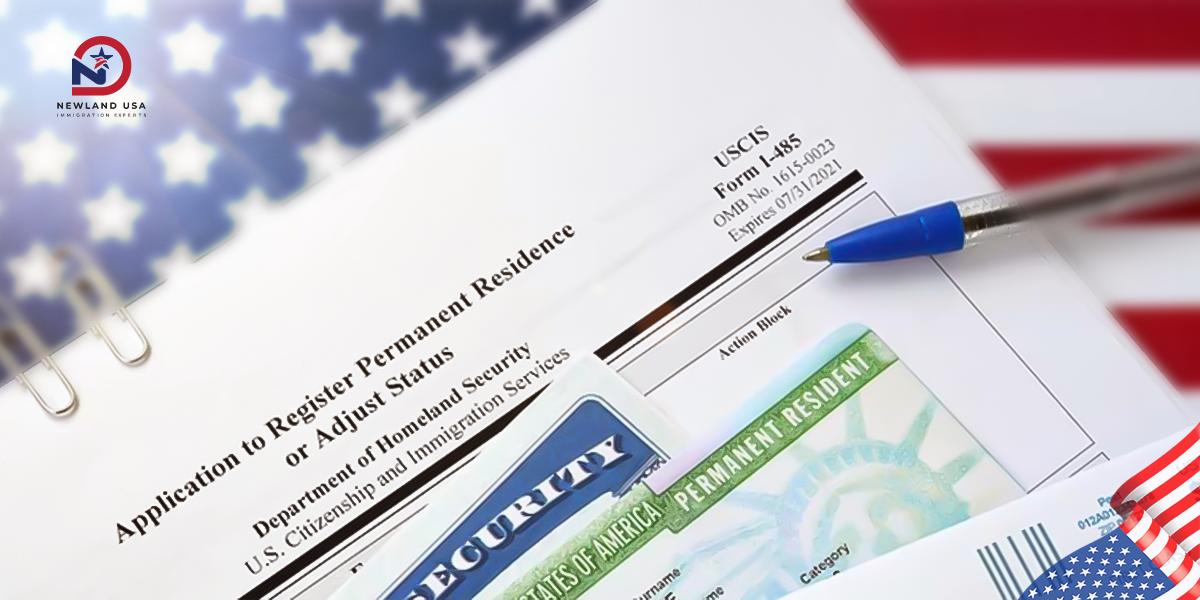
The I-485 application, officially called “Application to Register Permanent Residence or Adjust Status”, plays a key role in the US immigration journey. This is a legal tool that allows individuals currently residing legally in the US to change their status from temporary to permanent resident without having to leave the country.
For those applying for EB3 Visa, filing this adjustment of status application usually happens after the I-140 petition is approved and the priority date becomes current according to the Visa Bulletin. This process brings many practical benefits, including avoiding complex procedures at consulates and shortening waiting time.
However, one of the most basic requirements of the I-485 application is that applicants must maintain legal presence in the US throughout the review process. This condition creates certain restrictions on international travel for applicants.
2. Why does leaving the United States pose risks to I-485 application?
When you decide to leave the United States while your adjustment of status application is being reviewed by USCIS, the agency may understand that you have abandoned your intention to immigrate to the US. This is based on the principle that if a person truly wants to become a US permanent resident, they should not leave the country during this critical period.
The consequences of departing without permission can be very serious. First, your I-485 application will be considered automatically canceled, even if you haven’t received official notification from USCIS. This means all the time and money invested in this process will be lost.
Additionally, leaving the United States without permission can create difficulties for future entries. Customs officers may doubt your true intentions and apply stricter screening measures. In some serious cases, you may be completely denied entry.

3. Exceptions: When is it allowed to leave the US?
Although the regulation about not being allowed to leave the United States while having a pending I-485 application is quite strict, there are still legal exceptions for emergency situations.
3.1. Family emergency cases
Situations such as having seriously ill relatives, funerals, or other serious family matters may be considered by USCIS as valid reasons to grant temporary departure permission.
3.2. Mandatory work requirements
For individuals whose jobs require international travel or who have contractual obligations that cannot be postponed, requesting permission to temporarily leave the United States may also be considered.
3.3. Other legal requirements
Some other special cases such as having to participate in litigation abroad, handling property matters, or completing important administrative procedures may also be accepted.
4. Solution: Form I-131 – Advance Parole
To address the exceptional situations mentioned above, USCIS has created the Advance Parole mechanism through Form I-131. This is a special type of permit that allows people with pending adjustment of status applications to depart and re-enter without invalidating their application.
4.1. Advance Parole application process
Filing Form I-131 must be done before you plan to leave the United States. Typically, the processing takes 2-4 months, so you need to plan early.
The I-131 application requires documents proving the necessity to depart, along with supporting evidence such as doctor’s letters, legal documents, or work documents. Preparing detailed and convincing documents will increase the chances of approval.
4.2. Important notes when using Advance Parole
Once granted Advance Parole, you still need to strictly comply with the specified conditions. The validity period is usually limited to a certain timeframe, and staying abroad beyond the permitted time may result in your I-485 application being canceled.
Furthermore, when re-entering using Advance Parole, you may have to undergo more thorough screening than usual. Customs officers have the right to ask about the purpose of your trip and why you needed to leave the US while your adjustment of status application was being processed.
5. Impact on EB3 Visa applicants
For those in the process of applying for EB3 Visa, understanding the regulations about I-485 application becomes even more important. EB3 Visa typically has longer waiting times compared to other visa types, which means the period from filing the adjustment of status application to receiving the final result can last many months, even years.
Throughout this time, restrictions on international travel can significantly affect the applicant’s personal and professional life. Careful planning and exploring legal options becomes extremely necessary.
6. Domestic travel in the US – A safe option
While leaving the United States faces many restrictions, you can freely travel within US territory. This includes traveling between states, visiting famous landmarks, or visiting relatives and friends.
However, it’s important to note that all these activities must be personal in nature and not work-related. Until you receive a work permit (EAD) or your I-485 application is officially approved, engaging in business activities or working may violate residence conditions and negatively affect your application.
7. Common mistakes to avoid
7.1. Misunderstanding freedom of movement
Many people confuse the right to move freely within the country with the right to enter and exit internationally. Having a pending adjustment of status application doesn’t restrict domestic movement but creates strict constraints on leaving the United States.
7.2. Ignoring the importance of Advance Parole
Some people think they can leave the United States for a short time without permission, especially if they have a valid US visa. However, the I-485 application creates a special legal status that only Advance Parole can help you leave the US safely.
7.3. Not planning ahead
Waiting until the last minute to realize you need to depart can lead to difficult situations. The Advance Parole application process takes time, and leaving the United States without permission will automatically cancel your I-485 application.

8. Important notes
To ensure the EB3 Visa application and adjustment of status process goes smoothly, immigration experts recommend the following:
First, make long-term plans from the beginning of filing your I-485 application. If you know in advance about important events that may require leaving the United States, prepare your I-131 application early.
Next, always maintain contact with an immigration attorney or professional consultant. They can provide personalized advice based on your specific situation and update you on the latest changes in immigration law.
Finally, keep all documents related to your adjustment of status application and any trips (if any) in an organized manner. This will be very helpful in case USCIS requests explanations or additional evidence.
9. Conclusion
Leaving the United States while having a pending I-485 application is a complex issue that requires careful consideration. Although the general principle is not to depart during this time, if necessary, Form I-131 Advance Parole is the solution for special situations.
At Newland USA, we not only provide US immigration services but also support clients in their cultural integration journey in this new country. If you need more information, please contact Newland USA immediately via hotline 0785591988 or email: newsletter@newlandusa.asia for detailed and free consultation.
CTA Post:
News Categories



Related news

From Motorcycle Mechanic to Automotive Technician in the U.S.: Skills and Qualifications to Prepare in 2026
AI in Auto Repair in the U.S. 2026: How Artificial Intelligence Diagnoses Vehicle Problems Faster and More Accurately
7 Key Technologies Every Industrial Maintenance Technician in the U.S. Needs to Know in 2026

PLC & Automation Skills: A Launchpad for Maintenance Technicians in the United States in 2026
What Is the ASE Certification? Requirements, Exam Roadmap, and Its Importance for Auto Technicians in the U.S. in 2026

EB5 Capital Recovery Time: How Long It Takes and the Key Milestones

Electric Vehicle Technicians in the U.S.: The “Golden” Skills Helping Vietnamese Auto Mechanics Get Ahead of the 2026 EV Trend
US Engineering & Maintenance Labor Shortage 2026: The Driving Force Behind the EB3 Skilled Workers Visa Policy
Industrial Maintenance Technician: Job Duties, Requirements & U.S. Immigration Opportunities in 2026