Buying Used Cars in America and What You Need to Know

Buying used cars in America is becoming a smart choice for many immigrants who need affordable transportation. However, to get the right car and avoid unwanted risks, you need to master the process and learn from the used car buying experience in America from those who came before. This article from Newland USA will provide detailed guidance on how to choose used cars in America safely and effectively.
1. Why choose to buy used cars instead of new ones?
When you set foot in the land of the stars and stripes, owning a car is not just a need but a necessary condition for daily life. For new settlers, buying used cars in America offers many superior advantages over investing in new cars.
The first reason why buying cars in America used has become a popular trend is the financial factor. With prices ranging from $5,000 to $20,000, used cars help save significantly compared to new cars priced from $20,000 to $60,000. This is especially important for those just starting their lives in America and needing to balance their budget wisely.
Additionally, used cars have already gone through the steepest depreciation period in their early years, so their depreciation rate is significantly slower. While new cars can lose 20-40% of their value in the first year alone, used cars only depreciate about 10-20% during the same period.
2. Outstanding advantages of buying used cars in America
2.1. Low initial cost
Used car buying experience in America shows that the biggest advantage of pre-owned vehicles is the affordable initial investment. With the same amount of money, you can own a high-end used car instead of a low-segment new car. For example, with $15,000, you can buy a 2018 Honda Civic instead of only being able to afford a basic new Toyota Corolla.
2.2. Reasonable insurance fees
Insurance costs for used cars are typically 30-50% lower than for new cars. This is because the car’s value is lower, so insurance companies calculate lower risk and compensation costs. With used cars, you only need to buy minimum liability insurance instead of comprehensive insurance like new cars.
2.3. Diverse choices
The used car market provides countless options from different brands at various price points. You can choose used cars in America from economy models to luxury ones within a limited budget.

3. Challenges when buying used cars and solutions
3.1. Quality risks
The biggest disadvantage when buying used cars in America is not being able to fully control the usage history. The car may have been in accidents, flooded, or not properly maintained. To minimize this risk, you should:
- Request CARFAX or AutoCheck reports to view the car’s history
- Hire a professional mechanic to inspect the car’s condition before buying
- Test drive the car under various conditions to assess performance
3.2. Warranty issues
Most used cars no longer have manufacturer warranties, meaning you’ll have to bear repair costs yourself. However, some reputable used car dealers still provide short-term warranties from 3-6 months for important components.
4. Expert experience on buying used cars in America
4.1. Determine overall budget
The first used car buying experience in America is to fully calculate all related costs, not just the car price. You need to add sales tax (6-10% depending on state), registration fees ($50-200), insurance ($50-150/month), and reserve repair costs ($500-2,000/year).
4.2. Choose the right buying time
Although used car prices fluctuate less seasonally, winter usually offers better prices due to fewer buyers. Additionally, at the end of the month or quarter, dealers often have promotions to meet sales targets.
4.3. Research the market thoroughly
Before choosing used cars in America, use reputable websites like Kelley Blue Book, Edmunds, or CarGurus to compare prices. This gives you an objective view of reasonable pricing for each car model.

5. Detailed guide to the used car buying process
5.1. Step 1: Prepare necessary documents
To legally buy cars in America, you need:
- Valid driver’s license from your state of residence
- Proof of income (if financing the car)
- Car insurance already arranged
- Photo identification documents
5.2. Step 2: Research the car you want to buy
Use the VIN (Vehicle Identification Number) to check the car’s history through CARFAX. This information will reveal if the car has been in accidents, flooded, or had any issues.
5.3. Step 3: Inspect the car directly
When viewing the car, pay attention to:
- Exterior condition (scratches, dents, rust)
- Interior (seats, electrical systems, air conditioning)
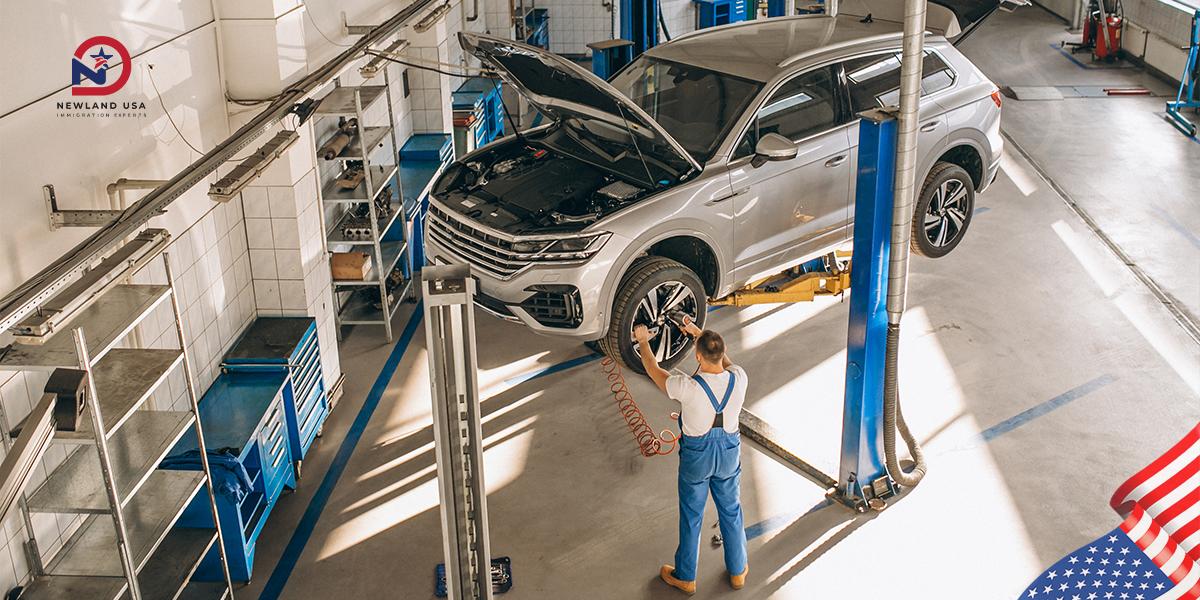
- Engine (unusual noises, oil leaks)
- Brake system and tires
5.4. Step 4: Negotiate the price
Used car buying experience in America shows that the listed price can usually be negotiated down by 5-15%. Use research information from pricing websites to have convincing arguments.
5.5. Step 5: Complete legal procedures
After agreeing on the price, you need to:
- Sign a detailed purchase contract
- Transfer ownership (title transfer) at DMV within 10-30 days
- Register the car and receive new license plates
- Activate car insurance
6. Cost comparison between used and new cars
| Category | Used Car | New Car |
|---|---|---|
| Purchase price | $5,000-15,000 | $25,000-40,000 |
| Insurance/month | $75-120 | $150-250 |
| First-year depreciation | 10-15% | 20-30% |
| Maintenance cost/year | $800-1,500 | $400-800 |
7. Important notes when choosing used cars in America
7.1. Choose reliable brands
Toyota, Honda, Mazda, and Subaru brands are highly rated for durability and low maintenance costs. Buying used cars in America from these manufacturers usually ensures good quality even after many years of use.
7.2. Consider mileage
Cars with mileage under 100,000 miles are typically considered “young” and can be used long-term. However, maintenance history is more important than mileage.
7.3. Check legal status
Ensure the car has no ownership disputes, is not under lien, and all taxes and fees have been fully paid.
8. Reputable used car buying locations
8.1. Authorized used car dealers
Certified pre-owned vehicles from authorized dealers are usually 10-20% more expensive but come with warranties and thorough inspections.
8.2. Online websites
CarMax, Carvana, and AutoTrader are reputable platforms to buy cars in America with many choices and flexible return policies.
8.3. Buying from individuals
Craigslist and Facebook Marketplace offer good prices but require more caution regarding legal and car quality issues.
9. Conclusion
Buying used cars in America is a smart financial decision when you need affordable transportation. However, success depends on thorough preparation, market research, and applying proven used car buying experience in America.
At Newland USA, we not only provide US immigration services but also support clients in their cultural integration journey in this new country. If you need more information, please contact Newland USA immediately at hotline 0785591988 or email: newsletter@newlandusa.asia for detailed and free consultation.
News Categories



Related news

Who Is the ESTA Program For? How to Assess Your Fit Before Applying in 2026

Who Is the ESTA Program For? How to Assess Your Fit Before Applying in 2026

From Motorcycle Mechanic to Automotive Technician in the U.S.: Skills and Qualifications to Prepare in 2026

AI in Auto Repair in the U.S. 2026: How Artificial Intelligence Diagnoses Vehicle Problems Faster and More Accurately

7 Key Technologies Every Industrial Maintenance Technician in the U.S. Needs to Know in 2026

PLC & Automation Skills: A Launchpad for Maintenance Technicians in the United States in 2026

What Is the ASE Certification? Requirements, Exam Roadmap, and Its Importance for Auto Technicians in the U.S. in 2026

EB5 Capital Recovery Time: How Long It Takes and the Key Milestones

Electric Vehicle Technicians in the U.S.: The “Golden” Skills Helping Vietnamese Auto Mechanics Get Ahead of the 2026 EV Trend