THE MOST COMMON MISCONCEPTIONS ABOUT THE EB-5 INVESTMENT PROGRAM
The EB-5 program is becoming the top choice for Vietnamese investors who want to settle in the United States. However, many people still have misconceptions about this visa category, from participation requirements to the approval process. This article from Newland USA will help you clarify the most common misconceptions about the EB-5 investment program, while updating you on the latest information about this promising path to U.S. residency.
1. Introduction to the EB-5 Program
In recent years, the EB-5 investment program has increasingly attracted the attention of investors with long-term vision. This is one of the U.S. immigration pathways specifically designed for those with financial capability who wish to build a new life for themselves and their families in America.
However, alongside its undeniable appeal, EB-5 is also a program that has been heavily advertised with a lot of confusing information. As a result, many investors still misunderstand the process, requirements, and benefits that this visa category offers. These misconceptions can cause investors to miss opportunities or face difficulties during the application process.
In the context of U.S. immigration policy continuously undergoing positive adjustments, having accurate information about EB-5 investment is a critical factor that helps investors make the right decisions and optimize their immigration pathway.
2. Misconception 1: Having Money is Enough to Join the EB-5 Program
2.1. Common Misunderstanding
Many people believe that EB-5 is simply a “green card purchase” program – meaning that having enough financial resources to invest will automatically grant them U.S. permanent residency. This is one of the most common misconceptions about the EB-5 investment program that many investors make.
2.2. The Truth About Participation Requirements
In reality, besides meeting the minimum capital requirement of $800,000 USD for projects in TEA areas or $1,050,000 USD for non-TEA regions, investors must also fulfill two important obligations according to U.S. Citizenship and Immigration Services (USCIS) regulations:
First, investors need to ensure the creation of at least 10 full-time jobs for U.S. citizens or green card holders within the specified timeframe. This is a mandatory requirement to ensure that the EB-5 investment truly brings economic value to the U.S. economy.
Second, the investment capital must be proven to be completely legal. Investors need to provide clear and transparent financial documentation about the source of funds, which can come from business profits, stock investments, real estate sales, inheritance, or other legal income sources.
Therefore, having financial resources alone is not enough to ensure success in the EB-5 investment program. Investors need to clearly understand and thoroughly prepare for these strict requirements to avoid unnecessary risks in the green card application process.

3. Misconception 2: EB-5 Application Processing Takes Decades
3.1. Concerns About Waiting Time
In the past, one of the biggest barriers that made many investors hesitant about EB-5 was the lengthy approval time. At certain periods, the waiting time could reach 5-10 years, especially for countries with high application volumes. This created a persistent misconception about the EB-5 investment program in many people’s minds.
3.2. Positive Changes After the RIA Act of 2022
Fortunately, the situation has undergone extremely positive changes. Thanks to the RIA Integrity Act enacted in 2022, the EB-5 investment program has undergone important reforms, significantly optimizing the approval process.
According to the latest Visa Bulletin, EB-5 visas for Vietnamese investors are currently in “current” status – meaning visas are always available and there is no longer a backlog of applications as before. This is great news for investors planning to invest in EB-5.
3.3. Reserved Visa Priority Program
Another bright spot in the current EB-5 investment program is the emergence of Reserved Visas – priority visas specifically for investors who choose to invest in rural areas or regions with high unemployment rates. This visa category not only helps shorten waiting time but also brings many other advantages in the green card application process.
Thanks to these improved policies, the journey to receiving a U.S. green card through EB-5 has become much more favorable, faster, and more transparent compared to previous periods. This is the ideal time for Vietnamese investors to take advantage of this opportunity.
4. Misconception 3: The EB-5 Green Card is Only for the Primary Investor
4.1. Misunderstanding About the Scope of Benefits
Some people think that when participating in EB-5 investment, only the primary investor receives green card benefits, while other family members will not be sponsored. This is a misconception about the EB-5 investment program that needs to be clarified.
4.2. Benefits for the Entire Family
In reality, the EB-5 investment program provides extremely comprehensive benefits for the investor’s family:
The spouse of the primary investor is granted a permanent green card after approval;
Children under 21 years old and unmarried also receive green cards along with their parents;
All family members enjoy full benefits regarding healthcare, education, and social security like legitimate U.S. permanent residents.
In particular, children of EB-5 investors will have the opportunity to access the world’s leading education system in the United States, from elementary school to university, with tuition rates preferential for domestic residents. This helps families save a significant amount of money in the future.
These practical benefits have made EB-5 an ideal choice for Vietnamese families wishing to build a stable and sustainable future in the United States.
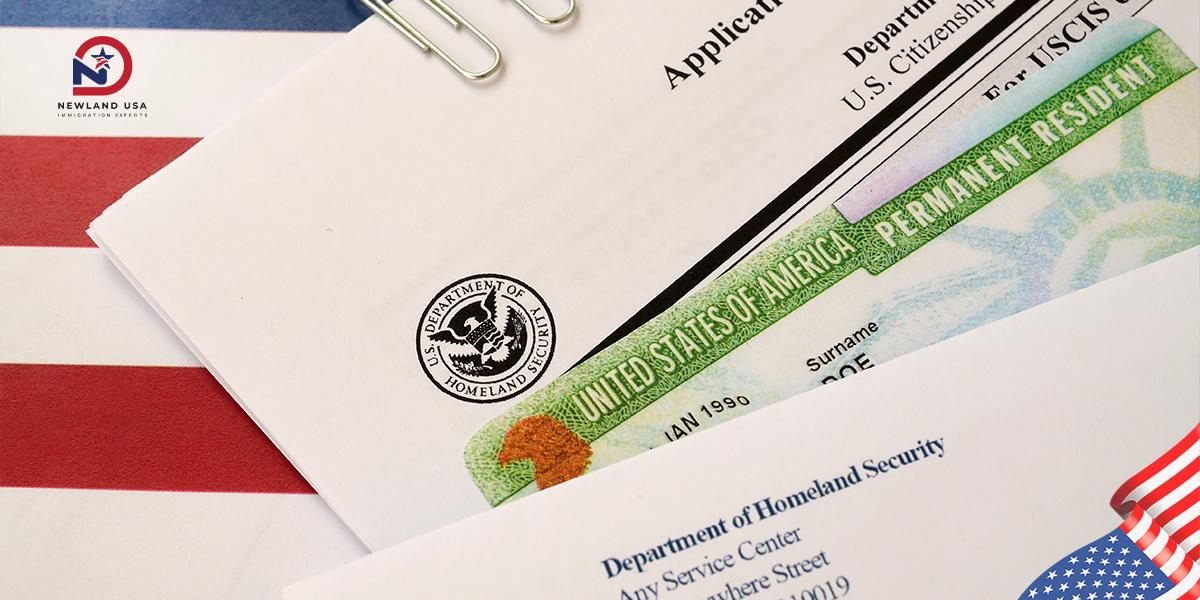
5. Over 1,000 Vietnamese Investors Received EB-5 Visas in the First Quarter of 2025
5.1. Outstanding Achievement of Vietnamese Investors
According to EB-5 visa issuance data (Unreserved Visa) in 2025, Vietnam recorded notable achievements by ranking 2nd globally with 1,278 visas issued, accounting for 15% of total global visas. This result places Vietnam right after China (4,065 visas – 48%) and far ahead of other countries in the region.
In terms of application processing, the U.S. Consulate General in Ho Chi Minh City processed 1,261 visas, equivalent to 15% of total visas issued globally and ranking 2nd after Guangzhou (3,970 visas – 47%). This confirms that Ho Chi Minh City is playing an important central role in processing EB-5 visas in the Southeast Asian region.
These impressive numbers show that the approval rate for EB-5 investment applications from Vietnamese investors is at a high level, partly thanks to priority policies and improvements in USCIS’s review process. This is also clear evidence that the EB-5 investment program is increasingly becoming popular and trusted in the Vietnamese business community.
6. Why is the EB-5 Investment Program Attractive to Vietnamese Investors?
6.1. Simple and Flexible Participation Requirements
Compared to other immigration categories such as EB-2 NIW, EB-3, or H-1B, EB-5 does not impose strict barriers regarding education level, professional degrees, work experience, or sponsorship from a U.S. company. This significantly expands the pool of people who can participate in the EB-5 investment program.
6.2. Significantly Improved Approval Process
Thanks to reforms from the RIA Act of 2022 along with the “current” status of the Visa Bulletin for Vietnam, EB-5 investment application processing time is no longer prolonged as in previous years. Investors can be more confident about their immigration pathway and plans.
6.3. Comprehensive Benefits for the Family
One of the most outstanding features of EB-5 is the ability to bring green card benefits to the entire family. Spouses and children under 21 years old are all granted green cards along with the primary investor, allowing family members to access high-quality education and advanced healthcare systems in the United States.
6.4. Profit Potential from the Investment
Not just an immigration pathway, many current EB-5 investment projects are also designed to generate profits for investors. After completing the job creation commitment and meeting necessary conditions, investors can recover their capital along with potential profits from the project.
6.5. No Need for Direct Management Involvement
When choosing to invest through Regional Centers, EB-5 investors do not need to directly operate or manage daily business activities. This is a major advantage for those who want to immigrate to the U.S. but don’t have the time or experience to run a business.
6.6. Opportunity to Enjoy Life in the United States
After receiving a green card through the EB-5 investment program, investors and their families can freely live, work, study, and do business in any state across the United States. This provides flexibility in choosing a living environment that suits the family’s needs and desires.

7. Important Notes When Joining the EB-5 Program
7.1. Choosing a Reputable Investment Project
One of the factors determining EB-5 investment success is choosing a suitable and trustworthy project. Investors need to thoroughly research the developer, project progress, job creation capability, and potential risks before making a decision.
7.2. Preparing Documentation to Prove Source of Funds
Proving the legal origin of the EB-5 investment funds is one of USCIS’s strictest requirements. Investors need to prepare complete documents related to financial history, including bank statements, purchase contracts, tax documents, and other legal paperwork.
7.3. Working with Professional Consulting Organizations
Due to the complexity of the process, investors should cooperate with reputable immigration consulting companies with experience in the EB-5 investment program. This helps minimize risks from project selection to application preparation and submission.
7.4. Understanding the Conditional Green Card Duration
When approved, EB-5 investors will receive a conditional green card for the first 2 years. Afterward, they need to file a petition to remove the conditions and convert to a permanent green card. Investors need to clearly understand the requirements and procedures during this phase.
8. Conclusion
The EB-5 investment program is not simply a financial investment method, but also a safe and sustainable U.S. immigration strategy for Vietnamese families with long-term vision. Although there are still certain challenges such as strict requirements for legal source of funds and potential risks from investment projects, with recent policy improvements, EB-5 has become more attractive and viable than ever before.
Newland USA, with an experienced team of experts and the motto “Stable Settlement – Lifelong Prosperity,” is ready to advise and support clients on information related to the EB-5 investment program. Please contact Newland USA immediately via hotline 0785591988 or email: newsletter@newlandusa.asia for detailed and free consultation.
Learn more:
- Ways to Ensure Your EB5 Capital is Safe When Investing in a Project
- The Most Effective EB5 Visa Solution in the Context of Trump Launching Gold Card
- What is Form I-829? Guide to Filing a Petition to Remove Conditions on 2-Year Green Card for EB5 Immigrant Investor Program
- The Optimal Choice for EB5 Investors to Manage a Green Card Investment Project
- Paying Taxes and What EB5 Investors Need to Know
News Categories



Related news
Who Is the ESTA Program For? How to Assess Your Fit Before Applying in 2026

Who Is the ESTA Program For? How to Assess Your Fit Before Applying in 2026

From Motorcycle Mechanic to Automotive Technician in the U.S.: Skills and Qualifications to Prepare in 2026

AI in Auto Repair in the U.S. 2026: How Artificial Intelligence Diagnoses Vehicle Problems Faster and More Accurately

7 Key Technologies Every Industrial Maintenance Technician in the U.S. Needs to Know in 2026

PLC & Automation Skills: A Launchpad for Maintenance Technicians in the United States in 2026
What Is the ASE Certification? Requirements, Exam Roadmap, and Its Importance for Auto Technicians in the U.S. in 2026
EB5 Capital Recovery Time: How Long It Takes and the Key Milestones
Electric Vehicle Technicians in the U.S.: The “Golden” Skills Helping Vietnamese Auto Mechanics Get Ahead of the 2026 EV Trend