New Standards from USCIS in 2025 for US Immigration Record Photos
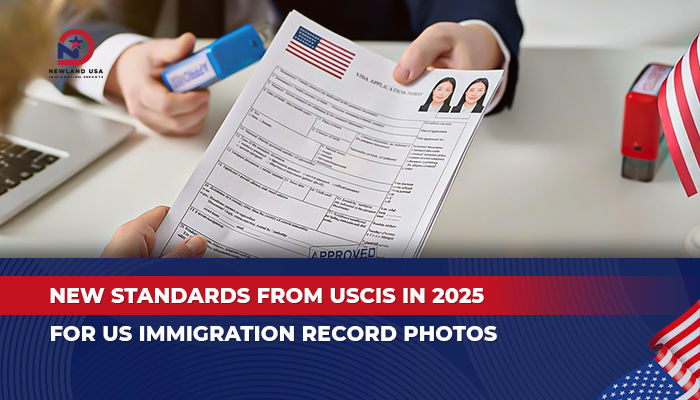
Starting in December 2025, USCIS has issued strict standards for preparing US immigration record photos, marking an important shift in the US immigration application review process. These new regulations not only enhance security but also modernize the entire immigration screening system, requiring applicants to strictly comply with biometric image criteria to ensure a smooth US immigration process.
1. Background of Policy Changes Regarding US Immigration Record Photos
During the extended COVID-19 pandemic period, US immigration authorities had to flexibly adjust many regulations to adapt to the complex situation. Specifically, USCIS allowed applicants to use self-taken photos at home or previously stored images to minimize travel and reduce the risk of virus transmission. However, this temporary relaxation created loopholes in image quality and increased the risk of fraud during the US immigration record review process.
After the pandemic situation was controlled, USCIS recognized the need to address weaknesses in the system. Therefore, the agency issued new standards to tighten the identity verification process, focusing on applying advanced biometric technology. This move demonstrates USCIS’s determination to enhance reliability and transparency for the entire US immigration system, especially in processing immigration applications nationwide.
2. Core Requirements in the New Standards for US Immigration Record Photos
2.1. Mandatory Requirements for Biometric Image Sources
USCIS’s current standards clearly state, with no exceptions: all US immigration record photos must be verified at official Application Support Centers (ASC) or through USCIS-certified electronic filing systems approved for biometric data collection.
Particularly important is that USCIS has established a list of absolute prohibitions:
- No photos taken freely at home will be accepted
- Photos taken by studios without official licenses
- Any source that does not comply with strict biometric procedures
The main goal of this regulation is to ensure all US immigration records have consistent quality images with high resolution, and most importantly, to minimize the risk of fraud or identity impersonation during the review process.
2.2. Criteria for Photo Timing
USCIS has established specific timeframes to ensure images in US immigration records accurately reflect the applicant’s current appearance. The regulations are categorized by age as follows:
For individuals 26 years and older: Images must be taken within no more than 36 months (equivalent to 3 years) from the date of official application submission. This is based on the recognition that adult appearance changes relatively slowly over time, so a 3-year gap still ensures accuracy in identification.
For people 25 years and younger: Images need to be taken within 30 months (2.5 years) before filing. This regulation stems from the fact that appearance changes rapidly at this age, especially during adolescence.
The establishment of these different timeframes shows that USCIS has thoroughly researched biological factors and ensures the facial recognition system can operate most accurately when processing US immigration applications.
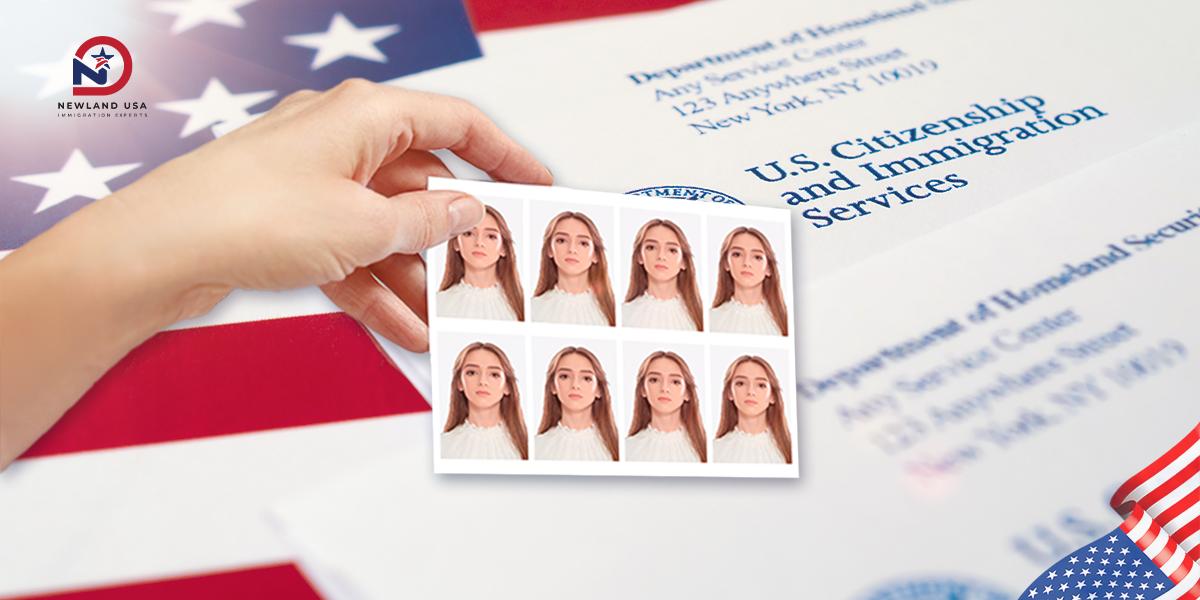
3. Importance of Biometric Technology in Reviewing US Immigration Records
USCIS’s application of biometric standards to the review process is not just a technical requirement but also carries long-term strategic significance. This technology helps significantly improve transparency and accuracy throughout the US immigration management system.
First, the biometric system plays a key role in minimizing fraud and document forgery. By collecting facial data according to high technical standards, USCIS can use advanced recognition algorithms to automatically cross-check and verify identity. This is especially useful in detecting cases where one person uses multiple different identities to file immigration applications.
Second, applying uniform standards helps create a synchronized and reliable database. When all US immigration record photos are collected according to the same strict process, the recognition system’s accuracy will be optimized. This benefits not only USCIS but also facilitates applicants who prepare their records thoroughly.
Finally, these new standards strengthen the international community’s confidence in the fairness and transparency of the US immigration process. When the system operates based on modern technology and clear procedures, all applicants are evaluated on the same objective criteria, minimizing subjective intervention or discrimination.
4. Impact on US Immigration Record Preparation
4.1. Greater Proactivity Required from Applicants
Changes in US immigration record photo policy will directly affect all applicants currently preparing or planning to file applications in the near future. This includes various categories such as family-based, employment-based (including the EB-3 program and similar programs), as well as EB-5 investment category.
Applicants need to proactively update the latest regulations and completely change their image preparation methods compared to before. Any non-compliance, even minor errors, can lead to serious consequences. US immigration records may be returned from the very first step, or applicants will receive a Request for Evidence (RFE) notice, or in severe cases, be completely rejected. Each time requiring adjustment or resubmission wastes both significant time and costs.
4.2. Ensuring Quality and Uniformity
USCIS only accepting images collected at ASC centers or through approved biometric systems brings many specific benefits. First, this completely eliminates the risk of substandard image quality. Each photo will be taken with specialized equipment, ensuring technical factors such as resolution, lighting conditions, exact size, and uniform facial proportions according to strict technical requirements.
Moreover, this uniformity has particularly important significance when USCIS and federal security agencies use advanced facial recognition technology to cross-reference data. When all US immigration record photos follow the same standard, the AI system can operate more efficiently, reducing errors and speeding up processing. This benefits not only the managing agency but also shortens waiting time for applicants.
4.3. Limiting Fraud and Fake Documents
The new standards effectively address many issues that appeared in the old system. Specifically, self-taken photos at home often have technical errors such as incorrect facial proportions, uneven lighting, or unwanted shadows. These defects not only reduce the quality of US immigration records but also cause difficulties for automatic recognition systems.
Additionally, the new regulation prevents the use of overly edited images with software. Previously, some applicants could use photo editing tools to alter their appearance, making the image no longer accurately reflect actual appearance. This caused serious difficulties in identity verification at later checkpoints.
Most importantly, the biometric system at ASC allows direct linking between images and personal data through electronic filing processes. Each photo will be tagged with a unique identification code, creating an authentication chain that cannot be forged. Therefore, those intending to commit fraud by using fake documents will face many difficulties in bypassing this system.
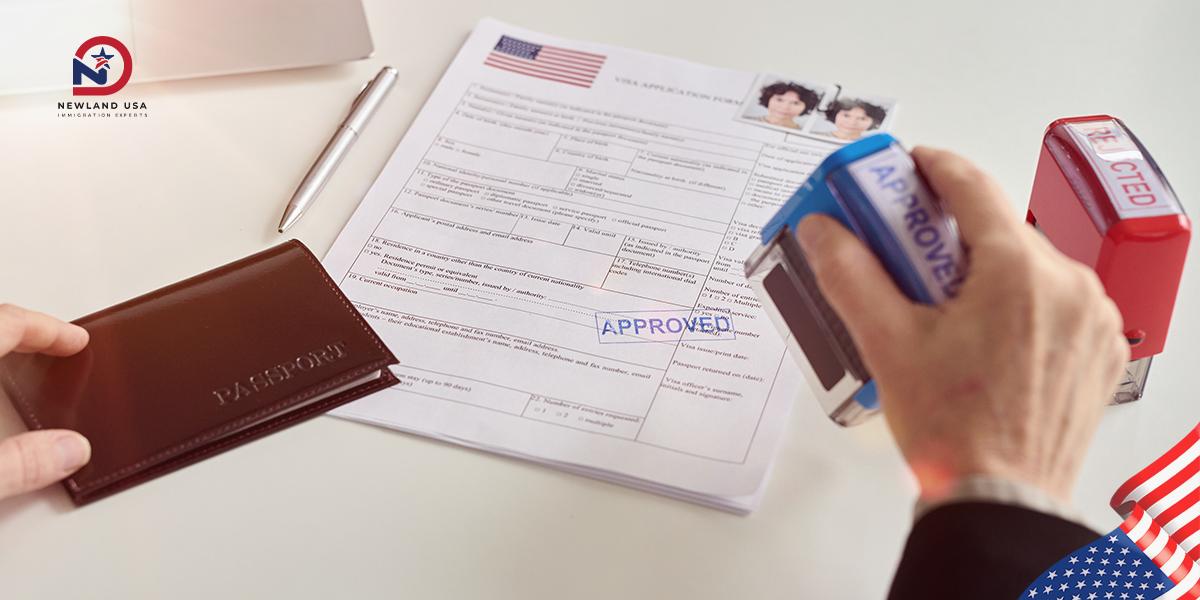
5. Detailed Guide to Preparing US Immigration Record Photos According to 2025 Standards
5.1. Choosing an Appropriate Photo Location
To ensure full compliance with the new regulation effective from December 12, 2025, applicants must use images taken at official ASC Centers. This is the most highly recommended and safest method to ensure your US immigration record doesn’t encounter any issues related to image quality.
In some special cases, if applicants are required to submit physical photos, they can choose professional photography facilities that have been certified and committed to complying with USCIS biometric standards. However, note that this option only applies to certain specific types of records, and you should carefully check USCIS guidance before deciding.
Must absolutely avoid: Taking photos at home with mobile phones or personal cameras, using images from uncertified ordinary photo services, or using photos that have been excessively edited with software. All these options are not accepted by USCIS and will cause your US immigration record to be rejected.
5.2. Strictly Checking Photo Timing
This is one of the most important changes that applicants need to pay special attention to. Depending on your age, the photo timing will differ:
If you are 26 years or older, the image must be taken within no more than 36 months (3 years) counting back from the date you officially submit your application. This means if you plan to file in June 2025, your photo cannot be taken before June 2022.
For people 25 years and younger, the requirement is stricter: the image must be taken within 30 months (2 years 6 months) before filing. With the same example above, if filing in June 2025, the photo cannot be taken before December 2022.
Precisely complying with this timeframe is proof for USCIS to confirm your current appearance matches the submitted record. If there’s a time discrepancy, your US immigration record may be required for supplementation or rejected, seriously affecting the entire process.
5.3. Technical Standards to Note
Although images taken at ASC will automatically ensure technical standards, applicants should still understand clearly to prepare best. Regarding size, images are usually required to be 5×5 cm, ensuring exact proportions for the recognition system to operate effectively.
The background must be white or off-white and without any patterns, designs, or shadows. Regarding posture, the person being photographed needs to look straight at the lens, maintain a natural expression, and ensure both ears are clearly visible (except when ears are covered for religious reasons accepted by USCIS).
Lighting conditions and resolution are also extremely important. The image must be bright enough, with no dark areas on the face or shadows behind the back, and no reflection on the face. Resolution needs to reach a high level, ensuring no blurriness or pixelation when zoomed in to check details.
Regarding clothing and accessories, applicants should wear neat casual clothing, not wear hats (except for religious reasons accepted by USCIS), not wear sunglasses or items that obscure the face. Makeup should be kept light and natural, avoiding heavy makeup as this can change facial recognition characteristics and cause difficulties for the biometric system.
6. Step-by-Step Process to Complete US Immigration Records
Step 1: Research and Plan Timing
First, you need to clearly determine the timing of your existing image (if previously taken). Check whether that image was taken within 36 months (for people 26 years and older) or 30 months (for people 25 years and younger). If it doesn’t meet requirements, you must take a new image according to proper standards.
Next, schedule a biometric appointment with USCIS. If your US immigration record requires biometric procedures, you need to ensure attendance at the scheduled appointment at the ASC center at the notified time. Here, your image will be processed directly by professional equipment systems, ensuring compliance with all technical standards.
Step 2: Prepare Appearance and Clothing
On the day of photo taking or biometric collection, you should prepare neat, formal, and natural clothing. Avoid wearing clothes with overly bright colors or complex patterns that may interfere with the recognition system.
More importantly, keep your appearance closest to your current actual image. Avoid major changes to hairstyle, beard, or hair after taking photos, as this can cause difficulties in identity verification at later stages of the US immigration process.
Step 3: Submit Images According to Proper Procedures
For biometric images collected at ASC, the submission process will be done automatically through USCIS’s electronic system. You don’t need to take any additional steps after completing image processing at the center.
In cases where you’re required to submit physical photos (applicable to some special record types), ensure images are printed on high-quality photo paper, without stains, wrinkles, or folds. If USCIS requires, you need to write your full name and A-number (Alien Registration Number) on the back of the photo with permanent ink pen.
7. Consequences of Non-Compliance with US Immigration Record Photo Regulations
Failure to comply with these new standards can lead to serious consequences that any applicant needs to avoid. First, your US immigration record may be delayed in processing for a long time. USCIS will send a Request for Evidence (RFE) notice or Notice of Intent to Deny (NOID), forcing you to prepare all image-related documents again.
In more severe cases, especially when records show signs of fraud or identity impersonation, USCIS has full authority to reject the application. This not only causes you to lose all the time and effort spent but can also negatively affect future US immigration applications.
Moreover, each time requiring resubmission or document supplementation means you must pay additional processing fees. Waiting time is also extended, which may affect your plans and work in the US.
Therefore, thoroughly researching accurate information and preparing images to proper standards from the start is a step that should not be skipped. This not only ensures the US immigration record review process proceeds smoothly but also saves you time and costs.
8. Role of Professional Consulting Units in the US Immigration Process
In the context of increasingly complex US immigration record regulations with high accuracy requirements, seeking support from professional immigration consulting units becomes extremely important. Companies like Newland USA with extensive experience in the immigration field, especially programs like EB3 and other immigration categories, can provide you with comprehensive guidance on all aspects of applications.
Consulting experts not only help you clearly understand US immigration record photo requirements but also provide comprehensive support in preparing other legal documents. They can carefully check every small detail in your application, detect potential errors early, and provide timely adjustment solutions before submitting to USCIS.
Especially, with the latest changes to image standards effective from December 2025, receiving detailed consultation on biometric collection procedures, photo timing, and technical requirements will help you avoid unnecessary mistakes. This is particularly important for those applying for US immigration procedures for the first time and lacking experience handling complex administrative issues.
9. Conclusion
The new standards for US immigration record photos issued by USCIS from December 2025 mark an important step in modernizing the US immigration management system. Applying advanced biometric technology not only enhances security but also creates a fairer, more transparent, and more efficient review process.
For those preparing US immigration records, mastering the new regulations is a prerequisite to ensure success. From choosing appropriate photo locations, complying with exact timeframes, to preparing proper appearance and clothing – every small detail has important meaning in the entire process.
At Newland USA, we not only provide US immigration services but also support clients in their journey to integrate into the culture of this new country. If you need more information, please contact Newland USA immediately via hotline 0785591988 or email: newsletter@newlandusa.asia for detailed and free consultation.
Learn more:
- Health Requirements for EB3 Immigration to the United States in the Medical Glove Manufacturing Industry
- Impact of the 2025 U.S. Dual Citizenship Termination Bill on Immigrants
- Common Mistakes That May Cause Your EB3 U.S. Immigration Application in the Medical Gloves Manufacturing Industry to Be Rejected
- Overview of Medical Glove Manufacturing Work in the US under the EB3 Immigration Program
- Important Immigration Terms in the EB3 US Immigration Application
News Categories



Related news

Working at Medical Glove Factories in the USA: Salary, Benefits, and EB3 Green Card Opportunities

Can Auto Mechanics Settle in the US? The Surprising Truth That Shocks Many People

Why Is 2026 the Critical Time to Invest in EB5?

What Is the ESL Program? Free English Language Support for Newly Arrived Students in the U.S.

How Much Does EB3 Skilled Worker Immigration to the US Cost? A Complete Financial Preparation Guide from A to Z

Sending Your Children to School in America: What New Immigrant Parents Need to Know

Key Factors That Directly Affect EB-5 Investment Interest Rates and Returns

What Is a Tax Refund? How to Receive a Tax Refund When Filing Taxes in the U.S.

FBAR and FATCA: What U.S. Immigrants Need to Know