Key Things to Know When Taking Out a Bank Loan for US Immigration

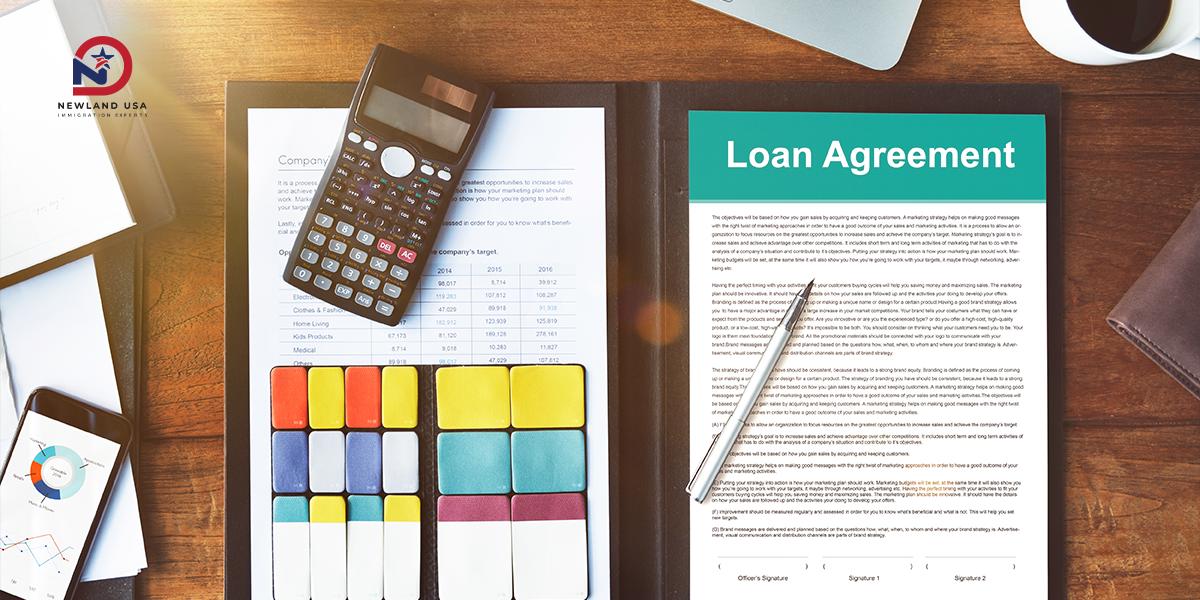
With the rising costs of US immigration, many Vietnamese families are asking whether taking out a bank loan to settle in America is the right move. This is a significant financial decision that requires careful weighing of both opportunities and risks. In the article below, Newland USA takes a comprehensive look at the feasibility of borrowing money for US immigration, while also offering practical tips to help you make the most informed choice possible on your journey to America.
1. Overview of Current US Immigration Costs
Before discussing the idea of taking out a loan to cover immigration expenses, you need to have a clear picture of your total budget. The amount of money required varies considerably depending on the immigration pathway you choose.
For the EB-3 program — the employment-based visa category where a US employer sponsors the worker — the total all-inclusive cost typically ranges from around $35,000 to $85,000 USD, depending on the specific group the worker applies under. This covers consulting service fees, USCIS filing fees, PERM labor certification fees, attorney fees, medical examinations, and other related charges. In addition, applicants also need to prepare funds for initial living expenses upon arriving in the US — estimated at around $7,000 to $15,000 USD for the first few months — covering airfare, rent, transportation, and other basic necessities.
The EB-5 investor program, on the other hand, requires a minimum capital investment of $800,000 USD into a government-approved project, plus administrative, attorney, and project management fees, bringing the total cost up to $900,000 – $1,200,000 USD. This figure is well beyond the financial reach of most middle-class Vietnamese families, which is why many are exploring bank loans to bridge the funding gap.
Whichever path you choose, having a clear understanding of each cost component will help you plan your finances accurately — and decide early on whether taking out a bank loan for US immigration makes sense for your situation.
2. Bank Loans for US Immigration — Is It Actually Feasible?
This is a question many people ask when exploring US immigration options. In principle, credit institutions in Vietnam do not offer loan products specifically labeled for “US immigration.” However, that does not mean you cannot use borrowed funds to support the immigration process.
In practice, those who need financing can access secured or unsecured loans through commercial banks, then use the disbursed funds for various purposes — including paying immigration service fees. The most common approach is a mortgage-backed loan using real estate (land use right certificates / house ownership certificates), with loan limits that can reach 70–80% of the property’s appraised value and repayment terms of up to 20–25 years.
Some banks also offer unsecured consumer loans based on the applicant’s income and credit history, with no collateral required. However, the loan limits for unsecured options are considerably lower — typically ranging from a few tens of millions to a few hundred million Vietnamese dong — and interest rates are significantly higher than secured loans.
So the short answer is: taking out a bank loan for US immigration is technically feasible, but it requires borrowers to calculate their repayment capacity carefully, especially given that the immigration process often spans many years.

3. Current Interest Rates and Loan Conditions in Vietnam
To assess whether you should take out a bank loan for US immigration, you need to understand the current interest rate landscape. According to data from early 2026, average VND lending rates at credit institutions range between approximately 7–9.3% per year, with a slight upward trend compared to the end of 2025.
Specifically, for secured (mortgage) loans, many major banks such as Vietcombank, BIDV, and Techcombank offer introductory rates for the first year in the range of 5.5–9% per year, depending on the fixed-rate period and the promotional policies in effect at the time. After the promotional period ends, the floating rate can climb to 10–11% per year or higher, calculated as the 12–24 month savings rate plus a margin of 3–4%.
For unsecured loans, interest rates are noticeably higher, typically ranging from 12.9–28% per year — a considerable burden if maintained over a long period. In addition to interest rates, borrowers should also watch out for related fees, such as early repayment penalties (usually 1–4% in the first few years), loan insurance fees, and property appraisal fees.
Given this rate environment, a bank loan of around 500 million to 1 billion VND over a 10–15 year term will generate a meaningful monthly debt obligation. That is why detailed financial planning before committing to a loan is absolutely essential.
4. Risks of Taking Out a Bank Loan for Immigration
While a bank loan for US immigration is a viable option, it is important to recognize the underlying risks so you do not end up in a difficult financial position.
First, immigration processing timelines are long. For the EB-3 category, the process from initial filing to receiving a green card can take anywhere from 3 to more than 10 years, depending on the worker’s preference category and the state of the Visa Bulletin. Throughout this waiting period, you still need to make regular loan repayments to the bank — before you have any US-based income to offset those payments.
Second, interest rate fluctuations. Most long-term loans in Vietnam apply floating rates after the initial promotional period. This means your monthly payment can increase significantly when market rates rise, creating unexpected financial pressure.
Third, the risk of a rejected application. Not every US immigration case gets approved smoothly. If your application is denied at any stage — whether during PERM labor certification, I-140 petition approval, or a consular interview — you are still left with the bank debt but without achieving the goal you set out for.
Fourth, the potential impact on your visa financial assessment. US immigration authorities evaluate applicants’ financial situations under the Public Charge rule. Officers review a combination of factors including age, health, family size, assets, financial resources, education level, and professional skills. If an applicant is carrying a substantial bank debt, this could be viewed as an unfavorable factor during the review process.
5. Potential Benefits of Using Borrowed Funds Wisely
Despite the risks, taking out a bank loan can offer distinct advantages if approached correctly and with a clear strategy.
First, a loan helps you seize opportunities at the right time. Given that US immigration policy is constantly evolving — particularly under the Trump administration, which has been tightening many rules — filing early can be a major advantage. Waiting until you have saved enough money may mean missing a favorable window, or facing higher costs as USCIS increases its fees.
In addition, if you are pursuing the EB-3 program, which has relatively more manageable application costs compared to other categories, the amount you need to borrow may not be that large. With a mortgage-backed loan of around 1–2 billion VND, the monthly repayment burden is manageable for many families with stable incomes.
Furthermore, once you begin working in the US under the EB-3 visa, your USD-denominated income will allow you to pay off your VND-denominated debt much faster, thanks to the favorable exchange rate difference. Current US minimum wages range from approximately $15–$25 USD per hour depending on the state, translating to monthly earnings of $3,000–$6,000 USD or more — enough to cover both your living expenses in the US and send money home to Vietnam to repay the loan.
6. Should You Take Out a Bank Loan for US Immigration? — Analysis by Visa Type
The decision of whether to take out a bank loan for US immigration cannot be answered in a one-size-fits-all way. It needs to be evaluated based on the specific immigration program you are pursuing.
For EB-3 (employment-based labor): This is the case where borrowing has the highest feasibility. Application costs are at a reasonable level, applicants can begin working in the US as soon as they complete the entry process, and USD income will go a long way toward repaying the debt. However, keep in mind that processing times can be long — particularly for the “Other Workers” category — where wait times can stretch to many years due to visa number limitations.
For EB-5 (investor visa): Borrowing for this program requires much more careful consideration. With a minimum investment capital requirement of $800,000 USD, the loan amount would be substantial, and accumulated interest over many years could create an enormous financial burden. Moreover, the EB-5 investment funds must be proven to be legally sourced and traceable — using borrowed money must comply with the regulations of both Vietnam and the United States.
For EB-2 NIW (National Interest Waiver): Application costs are primarily attorney fees and filing fees, which are generally at a moderate level. However, since this visa requires a high level of professional expertise, it is typically pursued by individuals who already have a solid financial foundation. Borrowing a small supplementary amount to cover the costs is perfectly reasonable in this case.

7. Alternative Ways to Raise Funds
If you are not fully confident about taking out a bank loan for US immigration, there are several other options worth considering to ease the capital burden.
Gradual savings with a clear timeline: Rather than borrowing the entire amount needed, you can combine your existing savings with a smaller supplementary loan. This approach reduces the total interest you pay and limits your financial exposure.
Family support: Many Vietnamese families choose to pool resources from parents, siblings, or other relatives. This is more flexible than bank borrowing in terms of interest and repayment timelines.
Liquidating assets: Selling real estate, vehicles, or other valuable assets is a quick way to raise a large sum of money without incurring interest. However, you need to carefully calculate the right time and price to avoid selling at a loss.
Combining multiple sources: In practice, most families who successfully complete a US immigration application use a combined financial strategy — part personal savings, part family support, and part bank borrowing as needed. This diversification helps spread out the risk and keeps repayment capacity stable throughout the immigration journey.
8. Important Things to Consider Before Deciding to Borrow
If, after careful consideration, you decide to use a bank loan as part of your financial plan for US immigration, keep the following key points in mind.
Assess your actual repayment capacity: Base your calculations on your current income in Vietnam, not your projected income once you are in the US. During the application review period — which can last several years — you still need to make on-time loan payments from your domestic income.
Choose the right type of loan: Prioritize secured loans with lower interest rates over unsecured options. If you have real estate to use as collateral, you will benefit from significantly lower interest rates and higher loan limits.
Compare rates across multiple banks: Do not rush to accept the first offer you receive. Take the time to survey and compare at least 3–5 different credit institutions, including both state-owned banks (Vietcombank, BIDV, Agribank) and private banks (Techcombank, VPBank, ACB), to find the most competitive loan package available.
Watch out for early repayment fees: If you plan to pay off the loan early once you start earning income in the US, make sure to carefully review the early repayment penalty terms. Some banks charge 2–4% in the early years, which can significantly increase your total loan cost.
Prepare a contingency plan: Always have a Plan B in case your immigration case runs into complications or delays. Make sure that even if you do not make it to the US on schedule, you are still able to keep up with your loan payments without seriously impacting your family’s quality of life.
9. How the Public Charge Rule Affects Borrowers
One important aspect that many people overlook when considering a bank loan for US immigration is the impact of the Public Charge rule in US immigration law.
Under current regulations, when reviewing a green card application, USCIS officers conduct a thorough assessment of the applicant’s circumstances to determine whether the individual is likely to become a burden on the US public welfare system. The factors assessed include: age, health status, family size, assets and financial resources, education level, and professional skills. Notably, the current administration has shown a tendency to expand the scope of this review, potentially including past use of social assistance programs.
This raises an important question: if you are carrying significant bank debt, could that negatively affect your financial assessment? The answer is not entirely clear-cut, as the decision depends on the officer’s overall evaluation. However, to minimize risk, you should ensure that your net assets (total assets minus total liabilities) remain at an acceptable level, and prepare documentation demonstrating your financial self-sufficiency in the US.
10. Advice from an Immigration Professional’s Perspective
Drawing on experience advising thousands of US immigration cases, here are some practical recommendations for those considering a bank loan to pursue the American dream.
First, begin by consulting with a reputable immigration advisory firm to get an accurate picture of the total costs for the immigration pathway you have chosen. Avoid vague estimates or relying on unofficial information, as actual costs can differ significantly from advertised figures.
Next, build a detailed financial spreadsheet that includes: total projected costs, available personal funds, the amount you need to borrow, the expected interest rate, the repayment term, and your monthly cash flow. This gives you a realistic overall picture of your true financial capacity.
Finally, always put safety first. Whether or not to take out a bank loan for US immigration is not a question with one right or wrong answer — it depends entirely on your personal circumstances, financial capability, and risk tolerance as a family. The golden rule is: only borrow what you are confident you can repay, even in a worst-case scenario.
11. Conclusion
Taking out a bank loan for US immigration can absolutely serve as a useful financial lever — if used correctly, at the right time, and within safe limits. However, you should not view it as the only solution or fall into the trap of borrowing at any cost. Assess your repayment capacity carefully, understand the interest rates clearly, prepare a contingency plan, and above all, choose the US immigration pathway that genuinely matches your family’s financial reality. With thorough preparation from the start, the road to your American dream will be less daunting and far more likely to succeed.
Learn more:
- Does the EB3 Skilled Worker Immigration to the U.S. Really Cost Billions of VND?
- U.S. Immigration Through Medical Glove Manufacturing Industry: Easy or Difficult?
- Why Choose EB3 U.S. Immigration Through the Medical Glove Manufacturing Industry in 2026?
- U.S. Immigration Policy 2026: Important Changes You Need to Know
- Overview of US Immigration Programs 2026: Which Option is Right for You?
News Categories

Related news
Key Things to Know When Taking Out a Bank Loan for US Immigration
How Does the Investment Sustaining Period Affect EB-5 Investors’ Project Selection?
Financial Planning the Right Way When Settling in the U.S. Through the EB-3 Program
Why is the EB3 Visa waiting time for skilled workers faster than for other workers?
ROI Analysis When Settling in the US Through EB3 Skilled Workers

Health Insurance When Settling in the US in 2026: Comprehensive Financial Protection Solution

‘Only the wealthy can immigrate to America’ – True or false?

Key Participants in an EB-5 Transaction

Does the EB3 Skilled Worker Immigration to the U.S. Really Cost Billions of VND?