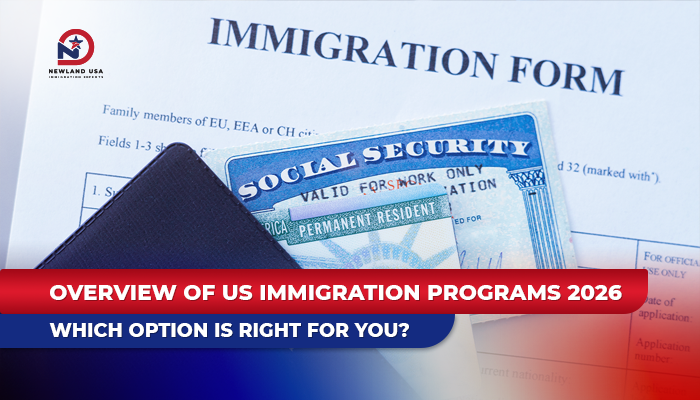
10 Most Common Misconceptions About the EB-3 Program That Vietnamese People Often Encounter

On the journey to U.S. immigration through the EB-3 program, many Vietnamese people have encountered and continue to face misconceptions about the EB-3 program – one of the most popular immigration pathways today. These misconceptions about the EB-3 program not only cause applicants to miss opportunities but also lead to wrong decisions during the EB-3 Visa application process. This article by Newland USA will clarify the 10 most common misconceptions, helping you gain a more accurate and objective view of the EB-3 Skilled Workers program.
1. Misconception 1: The EB-3 program is only for highly educated people
One of the most common misconceptions about the EB-3 program is that many Vietnamese people believe the EB-3 program is exclusively for applicants with advanced degrees or special skills. In reality, the EB-3 Visa is divided into three different categories: Skilled Workers, Professionals, and Other Workers.
For the Skilled Workers category in the EB-3 program, applicants only need at least two years of work experience or training related to the job. This means that manual trades such as factory workers, automotive technicians, electricians, or healthcare workers can all qualify if they meet the experience requirements. A college degree is not a mandatory requirement for all positions in the EB-3 program.
According to information from USCIS, the Other Workers category even accepts jobs requiring less than two years of training or experience, expanding U.S. immigration opportunities through EB-3 for many general labor groups. Therefore, thinking that the EB-3 program is only for highly educated people is a completely incorrect notion.
2. Misconception 2: Finding an employer is enough to get approved
Many applicants believe that as long as they find a U.S. employer willing to sponsor them, the EB-3 Visa application will be easily approved. This is one of the most dangerous misconceptions about the EB-3 program because it causes applicants to underestimate the complexity of the process.
In reality, employers must go through the PERM Labor Certification process – a process proving that they cannot find qualified and willing American workers for the job at the offered salary. This process includes public job postings, interviewing domestic applicants, and keeping detailed records of reasons for rejecting unqualified candidates.
Furthermore, employers must prove their financial ability to pay the foreign applicant’s salary from the Priority Date onward. According to immigration experts, the current PERM process can take 16 to 17 months, and if audited, the time extends even longer. Therefore, having an employer is only the first step in the U.S. immigration journey through EB-3, not a guarantee of approval.
3. Misconception 3: EB-3 Visa processing time can be accurately predicted
Another misconception about the EB-3 program is that many Vietnamese people believe the EB-3 Visa processing time can be accurately predicted from the beginning. They often hear about fixed timelines and expect to receive their green card on schedule.
In reality, EB-3 program processing time depends on many objective factors. According to 2026 analysis, the total time from application to receiving a green card can be up to 48 months or more. This includes PERM waiting time (about 16 months), I-140 petition processing time (8-14 months without premium processing), and waiting time for the Priority Date to become current in the Visa Bulletin (monthly consular report).
Particularly, the Visa Bulletin is updated monthly by the U.S. Department of State, and dates can move forward, stay still, or even move backward (retrogression) depending on demand and visa quotas. In July 2024, we witnessed the retrogression of the worldwide EB-3 Visa, causing many applicants to wait longer. Therefore, EB-3 U.S. immigration applicants need to prepare mentally for a long journey rather than expecting a fixed timeline.

4. Misconception 4: Having an advanced degree automatically disqualifies you from the EB-3 program
Many highly educated applicants believe they cannot or should not apply through the EB-3 program because it’s meant for workers with lower qualifications. This is an unfortunate misconception.
In reality, even if you have a master’s degree or doctorate, you’re still fully qualified to apply through the EB-3 program if the offered job only requires a bachelor’s degree or two years of experience. Many immigration attorneys even advise people in expiring H-1B status to switch to EB-3 Visa as an alternative when they don’t qualify for EB-2 or EB-1.
Choosing the EB-3 program doesn’t depend on the highest degree you have, but on the minimum requirements of the offered job. According to experts, many applicants with bachelor’s degrees or higher have successfully immigrated to the U.S. through EB-3 by applying in the category that matches their job position.
5. Misconception 5: Priority Date doesn’t change after being assigned
Another common misconception about the EB-3 program is that many people believe once the Priority Date is established, they can wait worry-free without monitoring. They think this date will maintain a fixed position in the queue.
It’s true that your Priority Date – the date when the PERM application is filed – doesn’t change. However, what’s important is that the cut-off dates in the Visa Bulletin are what determine when you can proceed to the next step. These dates can move up or down depending on supply and demand for EB-3 Visas.
The retrogression phenomenon – when the cut-off date moves backward – occurs when demand exceeds the number of visas available in the fiscal year. For example, if too many people from a specific country apply in the same year, the Department of State may push the cut-off date back several months or even years. This doesn’t erase your Priority Date, but it extends the waiting time before you can proceed with status adjustment.
According to the February 2026 Visa Bulletin, the EB-3 program for Skilled Workers and Professionals advanced three months for most countries, but some countries like India and China still face extended waiting times due to high backlogs. Therefore, EB-3 U.S. immigration applicants need to monitor the Visa Bulletin monthly for updates.
6. Misconception 6: You cannot switch from F-1 student visa to EB-3 Visa
Many international students studying in the U.S. on F-1 Visas believe they cannot switch to the EB-3 program to apply for a green card. This is one of the misconceptions about the EB-3 program that causes many students to miss the opportunity to legalize their long-term residency status.
In reality, switching from F-1 to EB-3 Visa is completely feasible, although it requires careful preparation. Students need to find an employer willing to sponsor them, and that employer must complete the PERM Labor Certification process. Throughout this process, students must maintain valid F-1 status.
An important point to note is that if the F-1 Visa expires before the EB-3 program process is completed, the applicant may need to leave the U.S. and complete the process through consular processing in their home country. However, if the I-140 petition is approved and the applicant receives the I-485 receipt, they can remain legally in the U.S. based on the pending adjustment of status application, even if they’ve left school.
According to immigration experts, this transition requires a proactive approach and often needs the guidance of an immigration attorney to ensure proper compliance with regulations. Therefore, F-1 students should not give up on U.S. immigration opportunities through EB-3 just because of this misconception.
7. Misconception 7: EB-3 Visa guarantees receiving a green card
One of the most dangerous misconceptions about the EB-3 program is that many people believe once they’ve applied through the EB-3 program, receiving a green card is certain. They view the EB-3 Visa as a guaranteed 100% successful path.
In reality, although the EB-3 program is a legal route to permanent residency (green card), it doesn’t guarantee the final outcome. Many conditions need to be met throughout the process, and the final decision belongs to USCIS.
Some common reasons why EB-3 Visa applications are rejected include: incomplete or inaccurate documents, employer cannot prove financial capability, applicant fails to maintain legal status during the waiting period, or discovery of past immigration violations. Particularly, if the employer ceases business or withdraws the sponsorship petition, the entire U.S. immigration process through EB-3 can be canceled.
According to statistics from immigration law offices, the rejection rate for EB-3 program applications is often related to errors in the PERM process or failure to properly meet document and paperwork preparation requirements. Therefore, applicants need to prepare thoroughly and work closely with experienced immigration attorneys to maximize success chances.

8. Misconception 8: You can work immediately after filing the EB-3 application
Many applicants believe that immediately after filing the EB-3 Visa application, they can start working for the sponsoring employer. This is a completely incorrect notion and can lead to immigration law violations.
The EB-3 program process doesn’t automatically grant work authorization. Applicants can only start working when they receive an Employment Authorization Document (EAD) after filing Form I-765, and this form can only be filed after the I-485 (adjustment of status) application is accepted.
If the applicant is outside the U.S., they must wait until the EB-3 Visa is approved and enter legally before they can work. If the applicant is in the U.S. with another visa status (such as H-1B or F-1 with OPT), they must maintain that status and comply with current work regulations until receiving the EAD from the EB-3 program process.
Working illegally while waiting for U.S. immigration through EB-3 can lead to serious consequences, including denial of the green card application and being banned from entering the U.S. According to immigration experts from Newland USA, applicants need to carefully consult about their work authorization at each stage of the process to avoid legal violations.
9. Misconception 9: Family cannot accompany you in the EB-3 program
Many Vietnamese people worry that if they apply through the EB-3 program, they will have to be separated from their family for many years or that their family cannot accompany them. This is one of the misconceptions about the EB-3 program that causes many people to hesitate to apply.
In reality, one of the greatest benefits of the EB-3 Visa is the ability to include family members. The spouse and unmarried children under 21 years old of the principal applicant can apply for derivative visas (dependents) and receive green cards together. This allows the entire family to live and work legally in the U.S. throughout the immigration process.
The spouse of the principal applicant can apply for a work permit after the I-485 application is accepted, allowing them to work for any employer in the U.S. Children can attend public schools with in-state tuition if the family already has pending adjustment of status.
An important point to note is that children must maintain unmarried status and be under 21 years old as of the date they’re approved for green cards or enter with an immigrant EB-3 Visa. The Child Status Protection Act (CSPA) provides some exceptions to protect children at risk of “aging out” during the waiting process. Therefore, U.S. immigration through EB-3 is not only an opportunity for individuals but for the entire family.
10. Misconception 10: Premium Processing helps skip the Visa Bulletin queue
Many applicants believe that paying for Premium Processing will help them receive the EB-3 Visa faster and skip the waiting time in the Visa Bulletin. This is a costly misconception about the EB-3 program that can cause applicants to waste money.
Premium Processing only applies to the I-140 petition processing stage, guaranteeing that USCIS will make a decision within 15 business days for a fee of $2,805 (as of 2024). However, this service doesn’t affect the waiting time related to Priority Date or Visa Bulletin at all.
After the I-140 petition is approved, applicants still must wait until their Priority Date becomes current in the Visa Bulletin before they can file Form I-485 or proceed with consular processing. This waiting time is completely unaffected by Premium Processing.
For example, if the Visa Bulletin shows the cut-off date for the EB-3 Other Workers program is December 1, 2021, and your Priority Date is March 1, 2022, you still have to wait regardless of whether you used Premium Processing for I-140 or not. According to immigration experts, Premium Processing is mainly useful to quickly “lock in” I-140 approval and reduce risk at this step, not to shorten the total U.S. immigration time through EB-3.

11. Conclusion
Understanding the EB-3 program clearly is the first important step in your U.S. immigration journey through EB-3. The misconceptions about the EB-3 program mentioned above have prevented many Vietnamese people from accessing this legal immigration pathway. The EB-3 Visa is not an easy or quick route, but it is a feasible and legal path for many applicants with appropriate skills and experience.
Newland USA, with a team of experienced experts and the motto “Stable settlement – Lifelong prosperity,” is ready to consult and support in preparing documents and accompany you throughout the U.S. immigration process through EB-3. Contact Newland USA now at hotline 0785591988 or email: newsletter@newlandusa.asia for detailed and free consultation.
Learn more:
- Why Choose EB3 U.S. Immigration Through the Medical Glove Manufacturing Industry in 2026?
- What Factors Affect EB3 Immigration Processing Time to the United States?
- Why do many people give up on their EB3 application while it’s still being processed?
- 5 Common Misconceptions About the EB3 Program That Vietnamese People Often Make
- Long-Term Benefits of Settling in the US via EB3 Automotive Mechanic Visa
News Categories

Related news
Credit Score: Why It Matters and How to Build Credit in the United States

What Benefits Do Children Receive When Parents Immigrate Through EB-3?

U.S. Immigration Through Medical Glove Manufacturing Industry: Easy or Difficult?
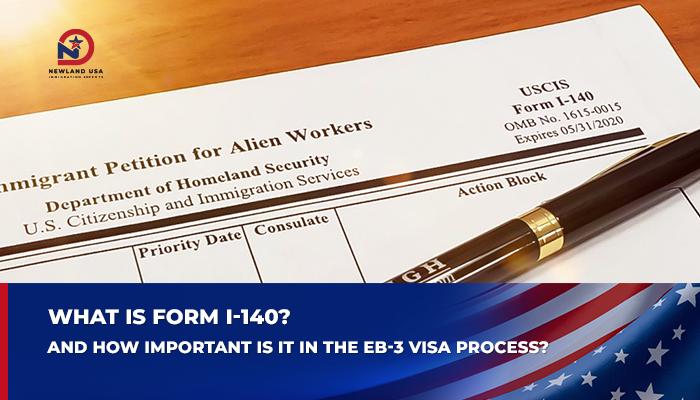
How Important is Form I-140 in the EB3 Visa Process?
10 Most Common Misconceptions About the EB-3 Program That Vietnamese People Often Encounter
Martin Luther King Jr. Day in the United States: Significance and How Americans Celebrate

Why Choose EB3 U.S. Immigration Through the Medical Glove Manufacturing Industry in 2026?

U.S. Immigration Policy 2026: Important Changes You Need to Know

What is the EB-3 Program? A Comprehensive Guide for Vietnamese Citizens 2026