Things You Need to Know About the 2 Types of U.S. Green Cards
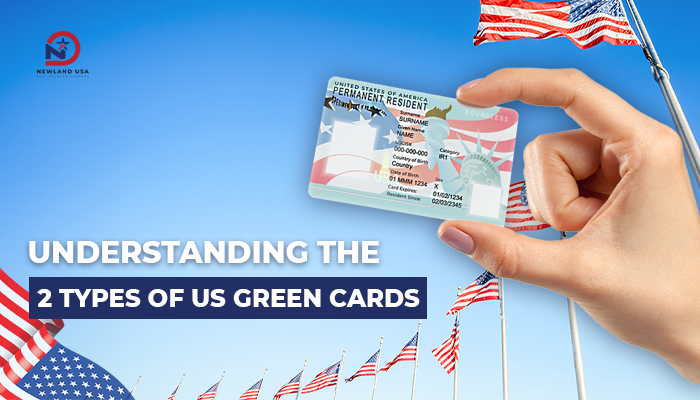
As immigration to the United States becomes increasingly common, the term “green card” is being mentioned more frequently, and there are quite a few questions surrounding this “powerful” card for many people who are new to learning about settling in America. This article will help you clearly understand the 2-year and 10-year green cards, their meanings, benefits and limitations of each type, as well as the process of converting from a temporary green card (conditional green card) to a permanent green card, and more. From there, you’ll confidently answer for yourself what a U.S. green card is and what the role of a permanent resident in the U.S. entails.
1. General Introduction to Green Cards
Owning a green card means being recognized as a permanent resident, bringing notable benefits such as being able to live, work, and study anywhere in the United States and enjoy social welfare services like a native. However, besides the names “2-year” and “10-year,” many immigrants still don’t clearly understand the distinct differences between these two types of green cards.
2. The 2-Year Green Card: Conditional Documentation for Immigrants
The 2-year green card, also known as a conditional green card, is a temporary document issued to immigrants under the EB-5 investment category or those who marry a U.S. citizen when the marriage has not yet reached 2 years. Some key points to note about this type of card:
- Investment conditions and time limits:
For the EB-5 category, applicants must prove the legal source of their investment amount (typically $800,000) and invest the full capital into a project approved by the U.S. government. Additionally, applicants must comply with regulations not to leave the country for more than 6 months per year to maintain their residency status. - Usage limitations and conversion:
The 2-year green card is only issued once. Within 90 days before expiration, the holder must complete the process to convert to a 10-year green card to continue being recognized as a legal permanent resident in the U.S. If not converted, this document will become invalid, affecting benefits such as driver’s licenses, work permits, and the ability to enter the country.
These characteristics explain to those wondering about “what a U.S. green card is” that this is a form of temporary documentation that helps immigrants obtain initial residency rights in the U.S. but must carefully monitor and strictly comply with regulations to convert to permanent status.
3. The 10-Year Green Card: Permanent Residency Permit
Unlike the conditional 2-year green card, the 10-year green card — commonly called a permanent green card — provides immigrants with long-term residency rights in the U.S. The advantages and requirements of this type of card include:
- Superior benefits:
Owning a 10-year green card means the resident is free to leave and enter the U.S. for extended periods (up to 12 months when abroad). Additionally, like the 2-year green card, holders of the 10-year card will also enjoy full benefits as a permanent resident, including the right to work, access to education and healthcare systems. - Periodic renewal requirements:
Although it’s a permanent card, when it expires after 10 years, the holder still needs to complete the renewal process. This renewal process helps USCIS verify and ensure that the holder still maintains the proper conditions for legal residency. - Strict review process:
To be granted a 10-year green card, applicants must meet residency criteria through employment, marriage, family reunification, or application through the Violence Against Women Act (VAWA).
Thus, with a 10-year green card, immigrants not only have the opportunity for long-term residency but also enjoy practical benefits and full assurance of the rights of a permanent resident.
4. Key Differences Between 2-Year and 10-Year Green Cards
To better understand the advantages and disadvantages of each type, let’s compare some notable points:
- Duration of use:
The 2-year green card has short-term validity and is only issued once, while the 10-year green card allows residents to maintain legal status for an extended period and can be renewed. - Conversion requirements:
Holders of the 2-year card need to convert to the 10-year card before expiration to maintain their status as a permanent resident. If the conversion is not completed, the applicant will lose residency benefits, causing many inconveniences in daily life and work. - Travel restrictions:
With a 2-year green card, applicants cannot leave the U.S. for more than 6 months each year, while the 10-year card allows time abroad up to 12 months without affecting residency status. - Review methods:
For the 2-year card, the review mainly depends on investment capability (for EB-5) or verification of marital relationships. Conversely, the 10-year card is reviewed under various residency categories, including EB3 employment, family reunification, or special protection programs.
These differences help immigrants easily choose the path suitable to their personal situation and long-term residency goals.
5. Process of Converting from a 2-Year to a 10-Year Green Card
To maintain stable permanent resident status, holders of a 2-year green card need to complete the conversion to a 10-year card. This process is divided into three main steps:
- Step 1: Submit Form I-829 and fees
Applicants need to prepare documentation, including evidence of maintaining the investment as required by the EB-5 program and proof of creating at least 10 jobs. The application with the prescribed fees is submitted to USCIS. - Step 2: Application confirmation from USCIS
After the application is received, USCIS will send a confirmation notice using Form I-797C and a biometrics letter to confirm the application has been received. - Step 3: Review and issuance of new card
The application processing takes place over a certain period. If the application is approved, USCIS will send the 10-year green card to the declared address, helping immigrants maintain their status as a legal permanent resident.
Understanding the conversion process clearly not only helps applicants prepare complete documentation but also ensures their rights when continuing their immigration journey in the U.S.
6. Newland USA is Confident in Supporting You with Green Card Matters
Newland USA is a leading provider of immigration solutions in the U.S., specializing in legal programs from the U.S. government such as EB3 skilled labor and EB5 investment immigration. With a team of experienced experts and the motto “Stable settlement — Lifelong prosperity,” the company always accompanies clients throughout from initial application review, preparation for consulate interviews, to receiving the green card, and successfully settling in the U.S.
Conclusion
Through this article, we have explored in detail the two types of 2-year and 10-year green cards, as well as the basic differences between them. Understanding the regulations and conversion process clearly not only helps applicants prepare their applications systematically but also ensures maintaining permanent resident status legally and effectively. If you’re hesitant and need specific advice about “what a U.S. green card is,” please contact Newland USA immediately via hotline 0785591988 for free support from our experienced consulting team.
News Categories


Related news
FBAR and FATCA: What U.S. Immigrants Need to Know

What Is the IRS? Your Rights and Obligations with the U.S. Tax Agency
Retrogression: What It Is and How It Affects Your EB3 Case
How to Identify and Avoid Conflicts of Interest in EB-5 Investment Immigration
401(k): The Retirement Plan for Workers in the United States

Key Things to Know When Taking Out a Bank Loan for US Immigration

How Does the Investment Sustaining Period Affect EB-5 Investors’ Project Selection?
Financial Planning the Right Way When Settling in the U.S. Through the EB-3 Program
Why is the EB3 Visa waiting time for skilled workers faster than for other workers?