Martin Luther King Jr. Day in the United States: Significance and How Americans Celebrate
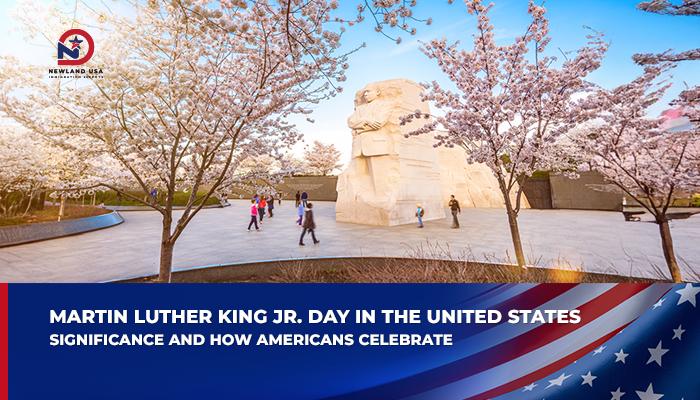
Martin Luther King Jr. is a great symbol of the civil rights movement in America. Martin Luther King Jr. Day in the United States is held annually on the third Monday of January to honor his legacy and tremendous contributions to social justice. This is one of the federal holidays in America, demonstrating the spirit of unity and aspiration for equality among all American people.
1. Biography and Life of Martin Luther King Jr.
Martin Luther King Jr. was born on January 15, 1929, in Atlanta, Georgia, into a family with a tradition of religious activism. His father was Reverend Michael King Sr., who later changed his name to Martin Luther King Sr. to commemorate the German religious reformer Martin Luther. From an early age, Martin Luther King Jr. witnessed severe racial discrimination in the American South, which deeply influenced his awareness and ideals.
After graduating from high school at age 15, Martin Luther King Jr. attended Morehouse College – a school exclusively for Black men. Here, he was greatly influenced by college president Benjamin Mays, a famous social activist and theological scholar. In 1948, he received a bachelor’s degree in Sociology and continued pursuing theology at Crozer Theological Seminary in Pennsylvania.
Martin Luther King Jr. completed his doctorate in Systematic Theology at Boston University in 1955. During his studies there, he met and married Coretta Scott, who later became his life partner and companion throughout his struggle for civil rights. They had four children: Yolanda, Martin Luther King III, Dexter, and Bernice.
Martin Luther King Jr.’s pastoral career began at Dexter Avenue Baptist Church in Montgomery, Alabama in 1954. This was where he initiated his first activism efforts, laying the foundation for the broader civil rights movement that followed.
2. Leadership Role in the Civil Rights Movement
2.1. The Montgomery Bus Boycott
In 1955, following the incident where Rosa Parks was arrested for refusing to give up her seat to a white passenger on a bus, Martin Luther King Jr. led the Montgomery Bus Boycott. The boycott lasted 381 days and ended victoriously when the U.S. Supreme Court declared racial segregation on public transportation unconstitutional.
This success made Martin Luther King Jr. a pioneering figure in the civil rights movement. He applied Mahatma Gandhi’s philosophy of nonviolence to the American context, believing that love and patience would overcome hatred and injustice.
2.2. Founding the Southern Christian Leadership Conference (SCLC)
In 1957, Martin Luther King Jr. and other activists founded the Southern Christian Leadership Conference (SCLC). This organization coordinated nonviolent protest activities throughout the American South, from sit-in demonstrations to voter registration campaigns for Black people.
Under Martin Luther King Jr.’s leadership, the SCLC organized many important campaigns, including the Birmingham Campaign in 1963. Images of police using fire hoses and attack dogs against peaceful protesters shocked national and international public opinion, creating pressure that forced authorities to act.
2.3. The “I Have a Dream” Speech
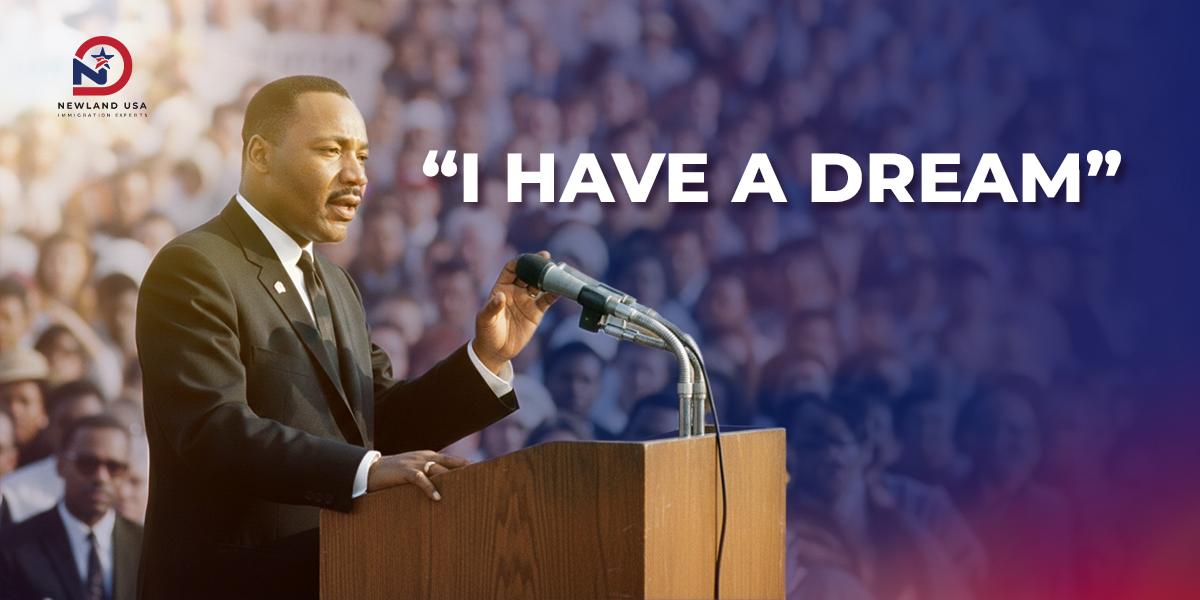
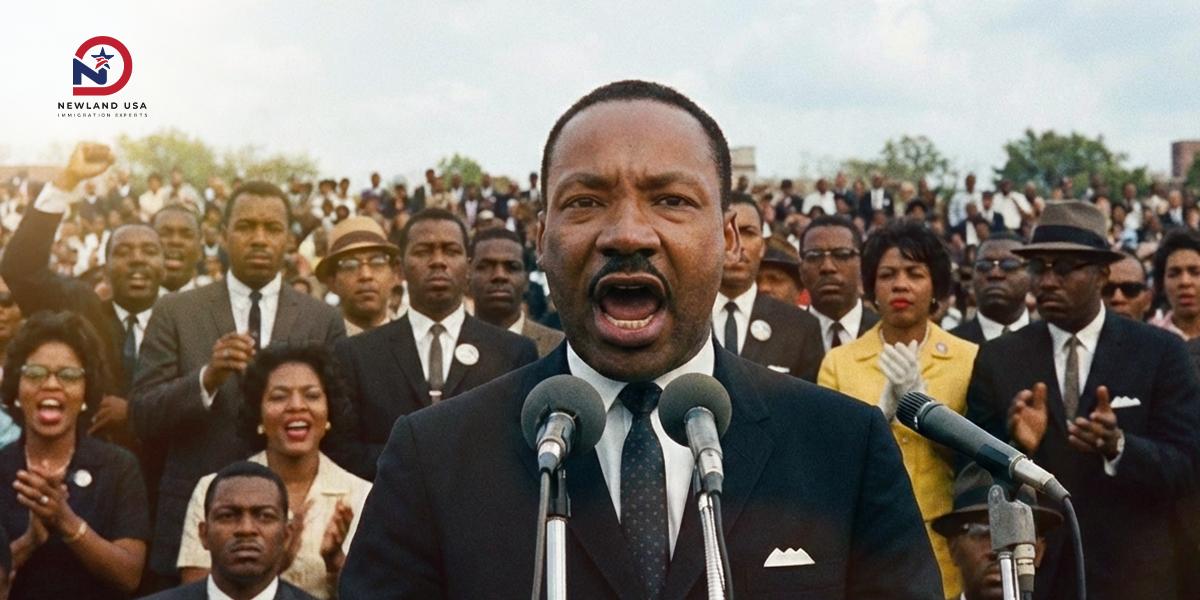
On August 28, 1963, Martin Luther King Jr. delivered his historic “I Have a Dream” speech before more than 250,000 participants in the March on Washington. The speech is considered one of the greatest speeches in human history, expressing the aspiration for an America where people are judged not by the color of their skin but by the content of their character.
Martin Luther King Jr. painted a picture of a future where white and Black children could hold hands as brothers and sisters. His inspiring words touched the hearts of millions and continue to resonate today, becoming a source of motivation for social justice movements around the world.
3. Achievements and Awards of Martin Luther King Jr.
3.1. Nobel Peace Prize
In 1964, Martin Luther King Jr. was awarded the Nobel Peace Prize, becoming the youngest person at that time to receive this honor at age 35. The Nobel Committee recognized his tireless efforts in combating racial injustice through nonviolent methods.
Martin Luther King Jr. donated the entire prize money to the civil rights movement. This action demonstrated his selfless dedication to the common cause.
3.2. Civil Rights Act and Voting Rights Act
Martin Luther King Jr.’s efforts contributed significantly to the passage of two landmark pieces of legislation. The Civil Rights Act of 1964 prohibited discrimination based on race, color, religion, sex, or national origin in public facilities and the workplace.
Following this, the Voting Rights Act of 1965 removed barriers preventing African Americans from exercising their right to vote. Martin Luther King Jr. led the marches from Selma to Montgomery to demand voting rights, where “Bloody Sunday” became a symbol of the sacrifice of those fighting for democracy.
4. Sacrifice and Legacy
4.1. The Tragic Assassination
On April 4, 1968, Martin Luther King Jr. was assassinated at the Lorraine Motel in Memphis, Tennessee, at just 39 years old. He was in Memphis to support the city’s sanitation workers’ strike. Martin Luther King Jr.’s death caused a wave of outrage and grief across America, with over 100 cities engulfed in protests and riots.
James Earl Ray was convicted of assassinating Martin Luther King Jr. and received a 99-year prison sentence. However, many questions about the case remain controversial to this day.
4.2. Enduring Legacy
Martin Luther King Jr.’s legacy extends far beyond America’s borders. His philosophy of nonviolence and message of love and justice have inspired civil rights movements around the world. Many streets, schools, parks, and organizations worldwide bear his name to honor his tremendous contributions.
Martin Luther King Jr. left humanity not only immortal speeches but also an example of courage, perseverance, and faith in the ability to change society through peace. He proved that an individual with determination and the right ideals can change an entire nation.
5. Martin Luther King Jr. Day in the United States – History of Formation
5.1. Decades-Long Campaign Journey
Martin Luther King Jr. Day in the United States was not recognized immediately after his death. The journey for this day to become a federal holiday lasted nearly two decades with many persistent advocacy efforts.
Just four days after Martin Luther King Jr.’s assassination, Congressman John Conyers from Michigan introduced the first bill proposing to make his birthday a national holiday. However, this bill faced much opposition and failure for many years.
Mrs. Coretta Scott King, Martin Luther King Jr.’s wife, continuously campaigned for this holiday. She founded the Martin Luther King Jr. Center for Nonviolent Social Change and constantly pressured legislators.
5.2. Historic Signature Collection Campaign
Stevie Wonder, a famous musician, released the song “Happy Birthday” in 1981 to promote the campaign for Martin Luther King Jr. Day in the United States. The campaign collected over 6 million signatures of support, creating a strong wave of public opinion.
In 1983, President Ronald Reagan signed legislation recognizing Martin Luther King Jr. Day in the United States as a federal holiday. This holiday was first observed on January 20, 1986.
5.3. Expanding Recognition Across States
Although it had become a federal holiday, not all states immediately recognized Martin Luther King Jr. Day in the United States. Arizona initially refused to recognize this holiday, leading to the NFL moving Super Bowl XXVII from that state.
By 2000, South Carolina became the last state to recognize Martin Luther King Jr. Day in the United States as a state holiday. This marked comprehensive recognition nationwide, affirming the holiday’s position among American holidays.
6. Significance of Martin Luther King Jr. Day in the United States
6.1. Honoring the Spirit of Equality and Civil Rights
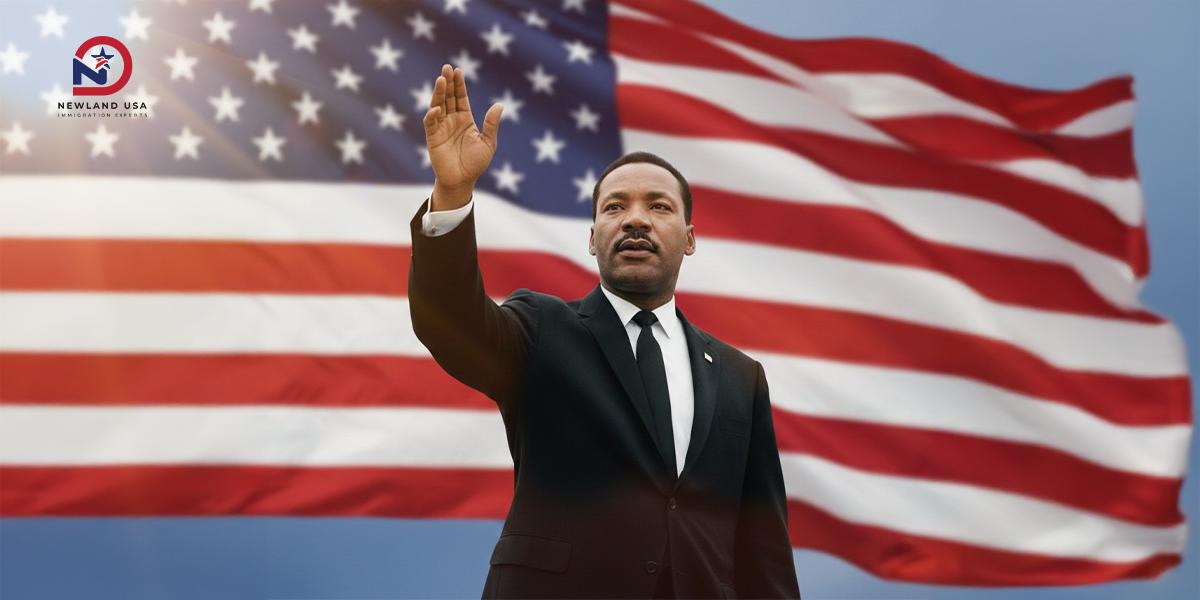
Martin Luther King Jr. Day in the United States is an occasion for all Americans to reflect on the values of equality and civil rights. This is not only a day to remember an individual but also a day to commemorate the achievements of the civil rights movement and remind us of unfinished work.
Among American holidays, this holiday has special significance because it commemorates a social activist rather than a president or historical event. Martin Luther King Jr. is the only American citizen who was not president to be honored with his own federal holiday.
6.2. Day of Community Service
In 1994, Congress passed the Martin Luther King Jr. Day of Service Act, transforming this holiday into a national day of service. This spirit reflects Martin Luther King Jr.’s belief that everyone can contribute to the community.
Instead of just resting, Americans are encouraged to participate in volunteer activities, helping those less fortunate. This is the most practical way to remember Martin Luther King Jr. – turning his ideals into concrete action.
6.3. Educating Young Generations
Martin Luther King Jr. Day in the United States is also an opportunity to educate young generations about civil rights history and the importance of fighting injustice. Schools across the country organize learning activities about Martin Luther King Jr.’s life and legacy.
Through learning about Martin Luther King Jr., students learn about the values of courage, patience, and faith in social change. These lessons help shape responsible citizens with awareness of social justice.
7. How Americans Celebrate Martin Luther King Jr. Day in the United States
7.1. Memorial Services and Parades
Throughout America, Martin Luther King Jr. Day in the United States is marked by memorial services at churches, monuments, and historical sites related to the civil rights movement. Atlanta, Martin Luther King Jr.’s hometown, holds special events at the Martin Luther King Jr. National Historical Center.
Parades are held in many major cities, with thousands of participants. These marches not only remember Martin Luther King Jr. but also continue to call for social justice on contemporary issues.
7.2. Volunteer and Community Service Activities
As mentioned, Martin Luther King Jr. Day in the United States is considered a “day on, not a day off.” Millions of Americans participate in volunteer activities such as distributing food to the homeless, building houses for the poor, environmental cleanup, and supporting charitable organizations.
AmeriCorps and federal agencies organize large-scale community service projects, attracting participation from people of all social classes. This spirit aligns with Martin Luther King Jr.’s philosophy of building a “beloved community.”
7.3. Cultural and Educational Events
Many museums, libraries, and cultural centers organize exhibitions, documentary screenings, and discussions about Martin Luther King Jr.’s life and the civil rights movement. This is an opportunity for the community to learn more deeply about the history and significance of the holiday.
Universities and community organizations hold symposiums on contemporary social justice issues, connecting Martin Luther King Jr.’s legacy with current challenges. These events encourage dialogue and action for a more just society.
7.4. Reading and Sharing the Legacy
Many people spend Martin Luther King Jr. Day in the United States rereading his speeches and works. “Letter from Birmingham Jail” and the “I Have a Dream” speech are especially sought after and shared on social media.
Families often watch documentaries about Martin Luther King Jr. together and discuss his legacy. This is a way to convey his values and ideals to future generations.
8. Comparison with Other American Holidays
8.1. Position in the Federal Holiday Calendar
Federally recognized American holidays include 11 days, of which Martin Luther King Jr. Day in the United States is the most recently added (before Juneteenth was recognized in 2021). This shows the importance of recognizing Martin Luther King Jr.’s contribution to American history.
Unlike many other American holidays such as Independence Day or Thanksgiving tied to historical events, this holiday focuses on honoring an individual and the movement he represented. This difference reflects the evolution in American society’s awareness of the importance of the civil rights struggle.
8.2. Significance for Immigrant Communities
For those learning about American holidays before immigrating, Martin Luther King Jr. Day in the United States has special significance. This holiday demonstrates America’s commitment to values of equality and justice for all people, regardless of origin.
Martin Luther King Jr. fought not only for African Americans but for all people who were oppressed and discriminated against. This spirit continues to inspire immigrant communities in their journey to integrate into American society.
9. Global Influence of Martin Luther King Jr.
9.1. Inspiration for Movements Worldwide
Martin Luther King Jr.’s legacy transcends America’s borders to become inspiration for civil rights movements around the world. From South Africa during apartheid to democratic movements in Eastern Europe, his philosophy of nonviolence has been widely applied.
Nelson Mandela, the Dalai Lama, and many other human rights activists have expressed admiration for Martin Luther King Jr. and his methods of struggle. This proves the universal power of his message about love and nonviolence.
9.2. Lessons for the Contemporary World
In today’s world with many conflicts and injustices, Martin Luther King Jr.’s legacy remains timely. His philosophy of confronting injustice with love instead of hatred, of persisting in peaceful struggle instead of violence, continues to be applied in many social movements.
Martin Luther King Jr. reminds us that social change requires patience, courage, and faith in human conscience. These values have no national borders and are appropriate for all cultures.
10. Conclusion
Martin Luther King Jr. Day in the United States is one of the most profound American holidays in terms of spirit and history. This holiday not only honors Martin Luther King Jr. but also commemorates America’s core values: equality, freedom, and justice for all people.
Through Martin Luther King Jr.’s life and work, we learn that an individual with determination and the right methods can change an entire nation. The spirit of nonviolence, love, and faith in the goodness of humanity are the precious legacies he left for mankind.
Newland USA, with a team of experienced experts and the mission “Stable Settlement – Lifelong Prosperity,” is ready to consult and support in preparing documents and accompanying clients throughout the EB-3 U.S. immigration process. Please contact Newland USA immediately via hotline 0785591988 or email: newsletter@newlandusa.asia for detailed and free consultation.
Learn more:
- Why Choose EB3 U.S. Immigration Through the Medical Glove Manufacturing Industry in 2026?
- U.S. Immigration Policy 2026: Important Changes You Need to Know
- Overview of US Immigration Programs 2026: Which Option is Right for You?
- What Factors Affect EB3 Immigration Processing Time to the United States?
- New Standards from USCIS in 2025 for US Immigration Record Photos
News Categories


Related news

FBAR and FATCA: What U.S. Immigrants Need to Know

What Is the IRS? Your Rights and Obligations with the U.S. Tax Agency
Retrogression: What It Is and How It Affects Your EB3 Case
How to Identify and Avoid Conflicts of Interest in EB-5 Investment Immigration
401(k): The Retirement Plan for Workers in the United States

Key Things to Know When Taking Out a Bank Loan for US Immigration

How Does the Investment Sustaining Period Affect EB-5 Investors’ Project Selection?
Financial Planning the Right Way When Settling in the U.S. Through the EB-3 Program
Why is the EB3 Visa waiting time for skilled workers faster than for other workers?