USCIS Adds Standards for Assessing Good Moral Character in US Naturalization
The US Citizenship and Immigration Services (USCIS) has just announced important changes in how it evaluates the moral character of naturalization applicants. The new policy not only examines whether applicants have violated the law, but also comprehensively assesses their positive contributions to society. This article from Newland USA will analyze these new standards in detail and their impact on the US naturalization process.
1. How is USCIS changing the way it assesses moral character?
For many years, the review of US naturalization applications primarily focused on checking whether applicants had a clean criminal record. However, recent policy updates have significantly expanded the scope of evaluation.
According to the new guidelines, USCIS applies a more comprehensive approach when considering an applicant’s moral character. Instead of just verifying wrongdoing, the agency now pays special attention to the positive qualities that individuals bring to the communities where they live.
This change reflects a trend toward more comprehensive human evaluation, based not only on what they haven’t done wrong but also on what they’ve done right and contributed to society.
2. Positive factors prioritized in US citizenship applications
One of the highlights of the new policy is the increased emphasis on positive qualities. These factors help USCIS gain a clearer view of the character and value that applicants can bring to the United States.
2.1. Community contributions
Volunteer activities, participation in social organizations, or contributions to community support programs are considered important evidence. US citizenship is not just an administrative procedure but also recognition of the values that individuals are willing to share with society.
Applicants with a history of participating in charitable activities, supporting vulnerable people in the community, or contributing to nonprofit organizations will be highly valued. These actions demonstrate a spirit of responsibility and concern for the common good.
2.2. Family responsibility
Caring for and supporting family is one of the criteria that USCIS carefully considers. This includes fully fulfilling child support obligations, caring for elderly relatives, or making meaningful contributions to family stability.
Applicants can provide evidence of their family responsibilities through documents such as child support payment records, medical care records for relatives, or other proof of contributions to their families.
2.3. Educational and professional achievements
Educational history and career stability are also factors under consideration. A naturalized US citizen with a serious academic background, professional qualifications, or a long work history at an organization demonstrates commitment and a sense of responsibility.
Those with stable careers who contribute to the economy through legal work and maintain stable income will be evaluated as self-reliant individuals who contribute positively to society.
2.4. Financial obligation compliance
Paying taxes fully and on time is one of the most important criteria. USCIS pays special attention to whether applicants have fully fulfilled their income tax obligations, have no outstanding tax debts, or violations of financial regulations.
Additionally, fulfilling other financial responsibilities such as paying fines, compensation for damages if any, or contributing to mandatory insurance programs is also carefully reviewed.
3. Behaviors that may negatively affect US naturalization applications
Although the new policy emphasizes positive factors, USCIS still maintains strictness in reviewing negative behaviors that may disqualify applicants.
3.1. Serious crimes
Crimes such as murder, violence, genocide, torture, or any serious criminal acts are absolute disqualifying factors. These actions not only violate the law but also demonstrate a lack of basic moral character.
3.2. Conditional violations
Some violations, while not serious crimes, are still reviewed very strictly, including multiple DUIs, illegal voting, drug-related violations, or repeated administrative violations.
Particularly, violations of others’ religious freedom are also considered serious acts, reflecting a lack of respect for America’s core values.
3.3. Failure to fulfill financial obligations
Not paying taxes, prolonged tax debts, or failure to fulfill child support obligations will be significant negative marks on the application. Unless applicants can prove they have completely resolved these issues, they will face difficulties in the review process.
3.4. Other inappropriate behaviors
Even behaviors that don’t violate the law but are inconsistent with moral standards may be reviewed. For example, serious or dangerous traffic violations, harassment of others, or actions showing disrespect for community rights can all affect the results of US naturalization reviews.
4. Opportunities to correct past mistakes
A notable point in the new policy is that USCIS believes people can change and improve. Applicants who have made mistakes in the past still have opportunities for approval if they can demonstrate positive changes.
4.1. Compliance with probation periods
Successfully completing probation or suspended sentences is important evidence showing that applicants have seriously complied with court decisions and are conscious of self-improvement.
4.2. Career and economic stability
Maintaining stable employment, legal and stable income, and financial stability over a long period is evidence that applicants have become responsible members of society.
4.3. Full fulfillment of financial obligations
Paying all overdue taxes, paying off tax debts, fully fulfilling child support obligations, or compensation payments will demonstrate a commitment to correcting mistakes.
4.4. Completion of rehabilitation programs
Participating in and completing rehabilitation programs, community reintegration, or life skills training courses are evidence of efforts to change. Especially if applicants have letters of confirmation from the community about their positive changes, this will be highly valued by USCIS.
4.5. Community contributions after rehabilitation
Those who have made mistakes but later actively participate in activities to guide and support people in similar circumstances or contribute to crime prevention programs will demonstrate real change and a desire to give back to the community.
5. New procedures in the US citizenship review process
To ensure accuracy and comprehensiveness in evaluation, USCIS has added some new procedures to the US naturalization application review process.
5.1. Background checks from surrounding information
USCIS may conduct neighborhood investigations, gathering information from neighbors, colleagues, or people in the community where applicants live and work. The purpose of this is to verify the authenticity of information provided by applicants and gain an objective view of their moral character.
5.2. Reference letter requirements
Applicants may be required to provide reference letters from people who understand their positive changes, such as neighbors, colleagues, employers, teachers, or reputable community members. These letters should clearly state the applicant’s positive qualities and good moral behavior.
5.3. Assessment of level of change
For applicants who have made mistakes, USCIS will conduct a detailed assessment of the level of change and improvement. This includes reviewing evidence of rehabilitation, time elapsed since the violation, and efforts the applicant has made to become a better citizen.
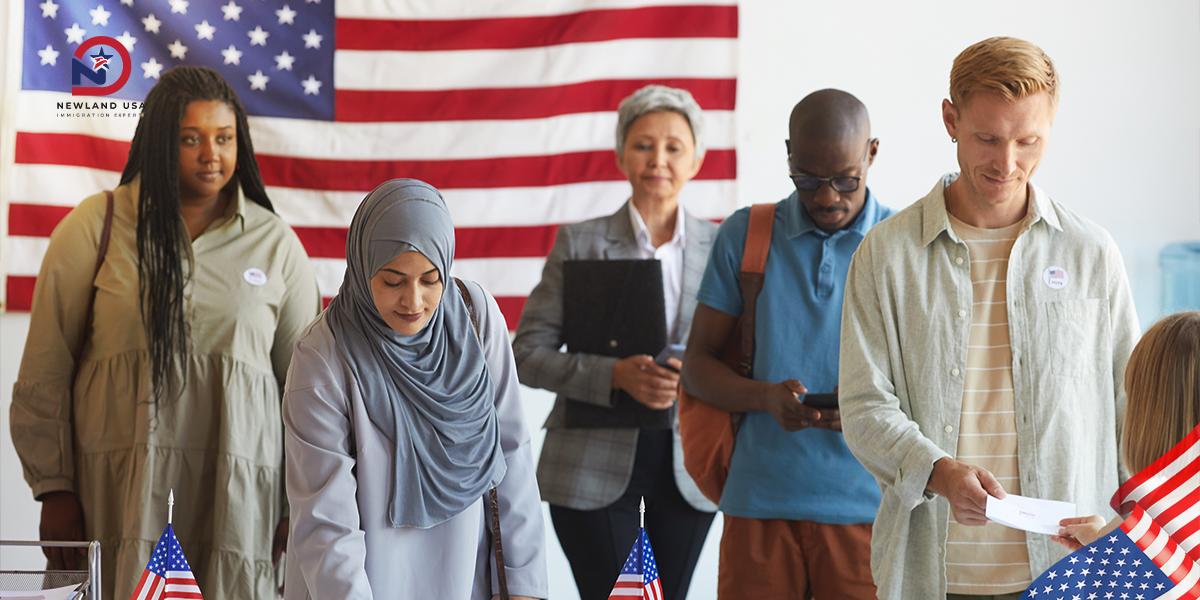
6. Impact of the new policy on naturalization applicants
Changes in the moral character evaluation policy will have a significant impact on how foreigners prepare their US naturalization applications.
6.1. Need for more thorough application preparation
Applicants need not only prove they haven’t violated the law but also provide evidence of positive contributions. This means they need to collect and keep documents such as volunteer certificates, thank-you letters from nonprofit organizations, employment verification, proof of tax payment, and other evidence.
6.2. Maintaining a moral lifestyle
Keeping an administrative record clean, paying taxes on time, actively participating in community activities, and fulfilling family responsibilities must be maintained continuously. These positive actions not only increase chances of approval but also demonstrate commitment to American values.
6.3. Attention to small behaviors
Even minor violations such as traffic offenses, administrative violations, or inappropriate attitudes at work may be reviewed. Therefore, applicants need to pay special attention to all behaviors in daily life and avoid situations that could negatively affect their applications.
6.4. Processing time may be extended
Because the evaluation process has become more detailed and comprehensive, the processing time for US naturalization applications may be longer than before. Applicants need to be mentally prepared for USCIS to potentially conduct field investigations, request additional documents, or gather information from various sources.
7. Conclusion
USCIS’s new policy on evaluating moral character marks an important shift in the approach to the US citizenship process. Instead of just focusing on excluding those with wrongdoing, the agency now actively seeks and recognizes the positive qualities of applicants.
At Newland USA, we not only provide US immigration services but also support clients in their journey of cultural integration in this new country. If you need more information, please contact Newland USA immediately at hotline 0785591988 or email: newsletter@newlandusa.asia for detailed and free consultation.
Learn more: What should you prepare to increase your pass rate for EB3 Visa interview?
News Categories

Related news
Why Must You File Your EB5 Petition Before September 30, 2026? What Is the “Grandfathering” Benefit?

Why U.S. Manufacturers Wait More Than a Year for PERM to Hire High-Skilled Workers in 2026
Skilled Labor Shortage: The Workforce Paradox Pushing the United States to “Open the Door” in 2026
Why Are U.S. Businesses “Hungry” for EB3 Skilled Workers?
2026 EB-5 Visa Adjudication Progress Update: Realistic Waiting Times for Vietnamese Investors

How to Negotiate Flat-Rate Pay for Auto Mechanics in the U.S. in 2026
The Electric Vehicle (EV) Wave in the U.S. and the Retraining Challenge for EB3 Auto Mechanics

EB5 Investment Loans: What Investors Should Note in 2026

Calling 911 in the U.S.: When to Call and How to Work with the Police