Credit Score: Why It Matters and How to Build Credit in the United States
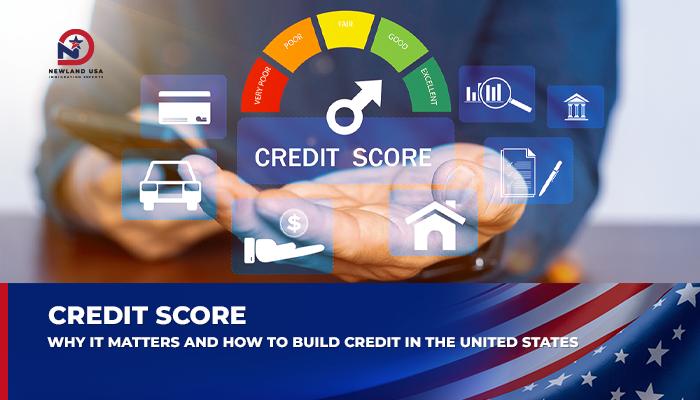
For newcomers settling in the United States, understanding and building credit is a crucial first step in integrating into the financial system. Credit scores don’t just affect your ability to borrow money—they impact many aspects of daily life, from renting an apartment and buying a car to opening a phone account. This article from Newland USA will help you gain a solid understanding of credit scores and effective methods to establish a strong credit history from your very first days in the country.
1. What is a credit score and why should you care?
A credit score is a three-digit number, typically ranging from 300 to 850, that financial institutions use to assess how reliable you are at repaying debt. This number is calculated based on your financial history, including loans, credit cards, and past payment behavior.
Credit scores in the US are usually calculated using two main systems: FICO Score and VantageScore. Among these, FICO Score is the most widely used, employed by over 90% of lenders in the United States. This system was developed by Fair Isaac Corporation in 1989 and has become the industry standard for assessing credit risk.
To better understand credit scores, you should know that each person typically has multiple credit scores. This depends on which organization calculates the score (Experian, Equifax, or TransUnion) and which calculation model is used. However, the basic factors affecting all types of credit scores are similar.
2. The importance of credit scores in daily life
Credit scores play a pivotal role in most of your major financial decisions in the US. A high credit score not only helps you easily access loans but also brings many other practical benefits.
2.1. Impact on loan interest rates
When you have a high credit score, banks and financial institutions will see you as a low-risk customer, offering you more favorable interest rates. For example, with a $16,000 loan over 60 months, someone with a credit score of 800 only pays a 3% interest rate (equivalent to $1,200 in interest), while someone with a score of 525 must bear an interest rate of up to 22% (equivalent to over $10,000 in interest). This difference can save you tens of thousands of dollars over the life of the loan.
2.2. Ability to rent housing and buy real estate
Landlords often require a credit check before deciding to rent. A good credit score will increase your chances of approval and may reduce your initial security deposit. Similarly, when buying a home, a high credit score helps you access mortgage programs with lower interest rates, significantly reducing total costs over many years.
2.3. Opening service accounts and insurance
Many utility companies for services like electricity, water, internet, and mobile phones require credit checks. If your credit score is low, you may have to put down a larger deposit or even be denied service. Insurance companies also use credit scores to calculate car and home insurance premiums—the higher your credit score, the lower your insurance costs.
2.4. Job opportunities
Some industries, especially positions related to finance or requiring high trustworthiness, may check applicants’ credit scores during the hiring process. While not common in all fields, having a good credit score is still an advantage when seeking career opportunities.
3. Factors that determine your credit score
To build credit effectively, you need to understand what factors influence your credit score and how important each factor is.
3.1. Payment history – 35%
This is the most important factor in calculating credit scores. Payment history tracks whether you pay your bills on time. Late payments, missed payments, or accounts sent to collections all severely damage your credit score. Even one late payment can significantly reduce your credit score, especially if you’re just starting to build credit.
To maintain a good payment history, you should set up automatic payments or schedule reminders. Even if you can only afford the minimum payment, paying on time is much better than missing the payment deadline. A positive payment history over the long term will sustainably improve your credit score.
3.2. Current debt amount – 30%
This factor examines the total amount you owe across all credit accounts, especially your credit utilization ratio. This ratio is calculated by dividing your total credit card balance by your total available credit limit. Experts recommend keeping this ratio below 30% to maintain a good credit score.
For example, if you have two credit cards with a total limit of $5,000 and a total balance of $1,000, your utilization ratio is 20%—a safe level for credit scores. Keeping your debt balance low and paying off your entire balance each month not only helps improve your credit score but also saves on interest costs.
3.3. Length of credit history – 15%
The length of your credit history also affects your credit score. Credit score calculation models look at the age of your oldest credit account, your newest account, and the average age of all accounts. This is why building credit as early as possible is beneficial, even if you’re starting with a small account.
If you have an old credit card you don’t use, don’t rush to close the account because this can reduce your average credit history length, negatively affecting your credit score. Instead, use it occasionally for small transactions and pay in full to keep the account active.
3.4. Credit mix – 10%
Responsibly managing different types of credit can benefit your credit score. Types of credit include revolving credit (credit cards), installment credit (car loans, mortgages), and service credit (utility bills). However, this factor only accounts for 10% of your total credit score, so there’s no need to rush to open many different types of accounts. More important is managing your existing accounts well.
3.5. New credit – 10%
Each time you apply for new credit, the lender performs a “hard inquiry” on your credit report. Too many hard inquiries in a short time can lower your credit score because it suggests you’re experiencing financial difficulties or seeking too much credit. However, credit score calculation systems typically understand the difference between comparing rates for one loan (such as a mortgage) and applying for multiple different credit cards.
4. Detailed guide to building credit in the United States
For newcomers, building credit from scratch can be challenging. However, with the right steps and persistence, you can establish a solid credit score within 6-12 months.
Step 1: Apply for a Social Security Number immediately
A Social Security Number (SSN) is a prerequisite for building credit in the US. Most financial institutions require an SSN when you apply for credit cards or loans. As soon as you’re eligible, apply for an SSN to start building credit history as early as possible. In some special cases, if you don’t have an SSN, you can use an Individual Taxpayer Identification Number (ITIN) to open certain types of credit accounts.
Step 2: Open a bank account
Before applying for credit cards, open a checking account and savings account at a bank. While this doesn’t directly affect your credit score, it shows you have a stable financial foundation and will help when you apply for credit products. Many banks offer special programs for new immigrants, making opening accounts easier.
Step 3: Apply for a secured credit card
A secured credit card is an excellent tool for building credit for beginners. This type of card requires you to deposit an amount (usually $200-500) as your credit limit. This deposit acts as collateral, reducing risk for the bank and making approval easier even without credit history.
When using a secured credit card, make small transactions and pay off your entire balance monthly. Banks will report your payment activity to the three major credit bureaus (Experian, Equifax, TransUnion), helping you build your credit score. After about 6-12 months of responsible use, you can upgrade to a regular credit card and get your deposit back.
Step 4: Become an authorized user
If you have family or friends with good credit scores, ask them to add you as an authorized user on their credit card account. As an authorized user, their positive payment history will be reported on your credit file, helping your credit score improve quickly without opening a new account yourself.
However, note that if the primary account holder pays late or has a high balance, this can also negatively affect your credit score. Therefore, only choose someone with an excellent and trustworthy credit history.
Step 5: Consider a credit-builder loan
A credit-builder loan is a financial product specifically designed to help people without credit history build credit. When approved, the bank deposits the loan amount (usually $300-1,000) into a locked savings account. You make monthly payments, and the bank reports your payment activity to credit bureaus.
After completing payments, you’ll receive the full amount back (minus interest and fees). This is a safe way to both save money and build credit, especially suitable for those who can’t afford the deposit for a secured credit card.
Step 6: Pay recurring bills on time
Bills like electricity, water, internet, and mobile phones aren’t automatically reported to credit bureaus, but if you pay late and they’re sent to collections, they’ll appear on your credit report and lower your credit score. Some services like Experian Boost allow you to link utility payments to count toward your credit score, turning these monthly payments into credit-building tools.
Step 7: Monitor and check credit reports regularly
Under federal law, you’re entitled to one free credit report from each of the three major credit bureaus once a year. Visit AnnualCreditReport.com or call 1-877-322-8228 to request reports. Checking reports helps you detect errors, identity fraud, or inaccurate information that could unfairly lower your credit score.
If you find errors, clarify immediately with the credit bureau. Many credit card companies and banks also offer free credit score monitoring services, helping you track changes to your credit score in real time.

5. Strategies to maintain and improve credit scores
After successfully building credit, the next step is to maintain and continuously improve your credit score to maximize financial benefits.
5.1. Pay bills earlier than the due date
Instead of just paying on time, try to pay a few days early. This ensures that even if there are technical issues or processing delays, your payment will still be recorded on time. Many credit cards have a grace period that allows you to pay before interest is charged, saving costs and maintaining a good credit score.
You can also set up automatic payments for at least the minimum amount, then manually pay more if desired. This ensures you never miss a payment—the most important factor affecting your credit score.
5.2. Manage credit utilization ratio smartly
Although the recommended threshold is below 30%, to achieve an excellent credit score, try to keep your utilization ratio below 10%. If your ratio is currently high, there are several strategies to quickly reduce it: make multiple payments per month instead of just one at the end of the cycle, request a credit limit increase (but don’t increase spending), or spread spending across multiple cards.
Note that credit bureaus typically report balances on a specific day of the month (usually the statement closing date). If you pay your balance before this date, the reported utilization ratio will be lower, helping improve your credit score.
5.3. Limit new credit applications
Each time you apply for a new credit card or loan, it creates a hard inquiry, which can lower your credit score by a few points in the short term. While this impact typically disappears after 12 months, having too many hard inquiries in a short period can make you appear as a high-risk borrower to lenders.
When comparing rates for a major loan like a mortgage or car loan, complete all quote requests within 14-45 days. Credit score calculation systems understand this is reasonable rate-shopping behavior and will count it as only one hard inquiry.
5.4. Diversify your credit portfolio over time
When your credit score is stable, having different types of credit can be beneficial. However, don’t rush to open many accounts at once. Instead, diversify naturally according to your actual needs. For example, if you need to buy a car, an installment loan will complement your existing revolving credit (credit cards).
Managing multiple types of credit well shows you can handle complex financial obligations, improving your credit score long term.
5.5. Keep old accounts active
The average length of credit history affects your credit score, so closing old accounts can have a negative impact. If you have an unused credit card, instead of closing the account, use it occasionally for small transactions like gas or electricity, then pay immediately. This keeps the account active and maintains your credit history age.
Some banks may automatically close accounts with no activity for 12-24 months, so periodic use is necessary to maintain your credit score long term.
5.6. Protect personal information and prevent fraud
Identity fraud can destroy the credit score you’ve spent years building. Scammers can use your personal information to open credit accounts, take out loans, or make unauthorized transactions. These activities will appear on your credit report and severely lower your credit score.
To protect yourself, regularly check credit reports, use strong passwords for financial accounts, don’t share your SSN unless absolutely necessary, and consider using credit monitoring services or credit freezes if you suspect risk. Detecting and addressing fraud early will minimize damage to your credit score.
6. Common mistakes to avoid when building credit
In the process of building credit, many people make common mistakes that can slow progress or even lower their credit score. Here’s what you should avoid:
Paying only the minimum amount each month: While this helps you avoid late payments, it also means you’re maintaining a high balance and paying more interest. High credit utilization will negatively affect your credit score. Try to pay more than the minimum, ideally the full balance.
Closing credit cards after paying off debt: Many people think closing cards after paying them off is good, but actually this can reduce your total available credit limit and increase your overall utilization ratio. It can also reduce your average credit history length, both of which negatively affect your credit score.
Ignoring small debts: Some people think small debts like medical bills or parking fees aren’t important. However, if these debts are sent to collections, they’ll appear on your credit report and severely damage your credit score for many years.
Maxing out credit limits: Even if you pay off your entire balance monthly, using 80-100% of your limit can still temporarily lower your credit score. Credit bureaus may view this as a sign of financial stress.
Trusting disreputable “credit repair” services: Many companies promise quick credit score improvements for high fees. In reality, there’s no way to “fix” credit instantly except by building a positive payment history over time. Be cautious of promises that sound too good and work directly with credit bureaus if you need to dispute incorrect information.
7. Conclusion
Credit scores are a crucial foundation for financial success in the United States, especially for newcomers through immigration programs like EB3. Building credit isn’t an overnight process, but with persistence and healthy financial habits, you can achieve a good credit score within one year.
A good credit score isn’t just a number—it’s the key that opens doors of opportunity in the US, helping you achieve major goals like buying a home, buying a car, or starting a business. Investing time and effort to build credit starting today is investing in your and your family’s financial future.
Newland USA, with our experienced team and motto “Stable settlement – Lifelong prosperity,” is ready to advise and support you in preparing documents and accompanying you throughout the EB3 settlement process in the US. Contact Newland USA now via hotline 0785591988 or email: newsletter@newlandusa.asia for detailed and free consultation.
Learn more:
- U.S. Immigration Through Medical Glove Manufacturing Industry: Easy or Difficult?
- Why Choose EB3 U.S. Immigration Through the Medical Glove Manufacturing Industry in 2026?
- U.S. Immigration Policy 2026: Important Changes You Need to Know
- Overview of US Immigration Programs 2026: Which Option is Right for You?
- What Factors Affect EB3 Immigration Processing Time to the United States?
News Categories



Related news
Credit Score: Why It Matters and How to Build Credit in the United States

What Benefits Do Children Receive When Parents Immigrate Through EB-3?

U.S. Immigration Through Medical Glove Manufacturing Industry: Easy or Difficult?
How Important is Form I-140 in the EB3 Visa Process?

10 Most Common Misconceptions About the EB-3 Program That Vietnamese People Often Encounter

Martin Luther King Jr. Day in the United States: Significance and How Americans Celebrate

Why Choose EB3 U.S. Immigration Through the Medical Glove Manufacturing Industry in 2026?

U.S. Immigration Policy 2026: Important Changes You Need to Know

What is the EB-3 Program? A Comprehensive Guide for Vietnamese Citizens 2026