
Search results for: Newland USA

From Motorcycle Mechanic to Automotive Technician in the U.S.: Skills and Qualifications to Prepare in 2026
In Vietnam, motorcycle repair employs a huge workforce. Many people have held a wrench since they were very young and have built up decades of experience. With demand for automotive technicians in the U.S. staying high in 2026, a question many people are asking is whether two-wheeler repair skills can become a “springboard” to working
AI in Auto Repair in the U.S. 2026: How Artificial Intelligence Diagnoses Vehicle Problems Faster and More Accurately
Over the past few years, the way shops and dealerships in the U.S. find what’s wrong with a car has changed dramatically. Instead of relying entirely on experience and trial and error, today’s technicians now have an extra “assistant” that can read data from hundreds of sensors and suggest the cause of a problem in
7 Key Technologies Every Industrial Maintenance Technician in the U.S. Needs to Know in 2026
In factories, service shops, and commercial buildings across the U.S., the way machinery is maintained is changing much faster than before. The break-fix model and fixed maintenance schedules are gradually giving way to real-time monitoring of equipment condition and forecasting failures before they happen. For skilled workers — especially technicians in the U.S. in the
PLC & Automation Skills: A Launchpad for Maintenance Technicians in the United States in 2026
US manufacturing is entering a clear phase of restructuring, with a wave of new factories being built and automated to a high degree. In this picture, the people who keep production lines running steadily are maintenance technicians. But this job has changed a lot from before: an industrial maintenance technician today doesn’t just need mechanical
What Is the ASE Certification? Requirements, Exam Roadmap, and Its Importance for Auto Technicians in the U.S. in 2026
In the auto repair and service industry in the United States, the ASE certification is seen as the most trusted measure of skill a technician can hold. It’s not just a diploma to hang on the wall — it’s proof that a technician has mastered the knowledge needed to diagnose, maintain, and fix problems on

EB5 Capital Recovery Time: How Long It Takes and the Key Milestones
For most investors, the key question when joining the EB5 U.S. immigration program isn’t just about when they’ll get their green card — it’s also about when their invested money comes back. That’s why EB5 capital recovery is always a top concern: with a minimum investment of $800,000, this is a figure that needs clear
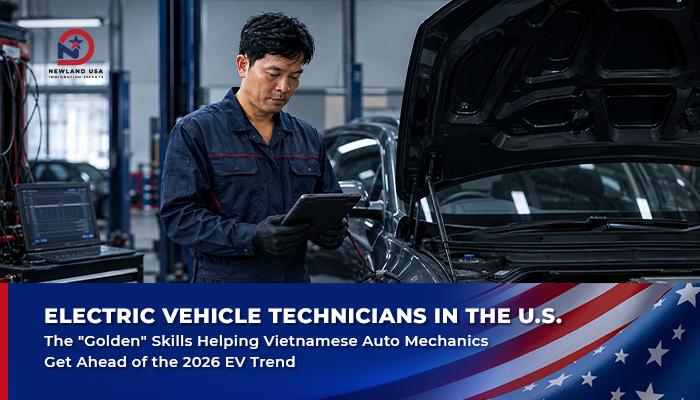
Electric Vehicle Technicians in the U.S.: The “Golden” Skills Helping Vietnamese Auto Mechanics Get Ahead of the 2026 EV Trend
The U.S. auto industry is entering a transition period, moving from internal combustion engines to electric vehicles, and this shift is creating a significant workforce gap in the position of EV technician in the U.S. While the number of electric vehicles on the road is rising quickly, the number of technicians qualified to service them
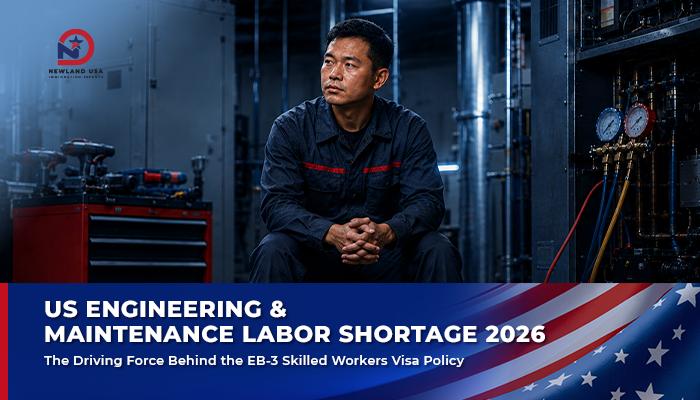
US Engineering & Maintenance Labor Shortage 2026: The Driving Force Behind the EB3 Skilled Workers Visa Policy
America is entering 2026 with a big paradox: more infrastructure, more factories, and more buildings than ever — but fewer and fewer people skilled enough to run and maintain them. The engineering labor shortage in the US and the maintenance worker shortage in the US are no longer distant forecasts; they’ve become a real economic